The Alliance That Wasn't: Why Trump's Hormuz Coalition Is Failing — And What Comes Next
Trump's push to assemble a multinational force to reopen the Strait of Hormuz has been met with refusals from allies. The response reveals deep fractures in Western unity and raises difficult questions about the war's endgame.
 Sercan Roni
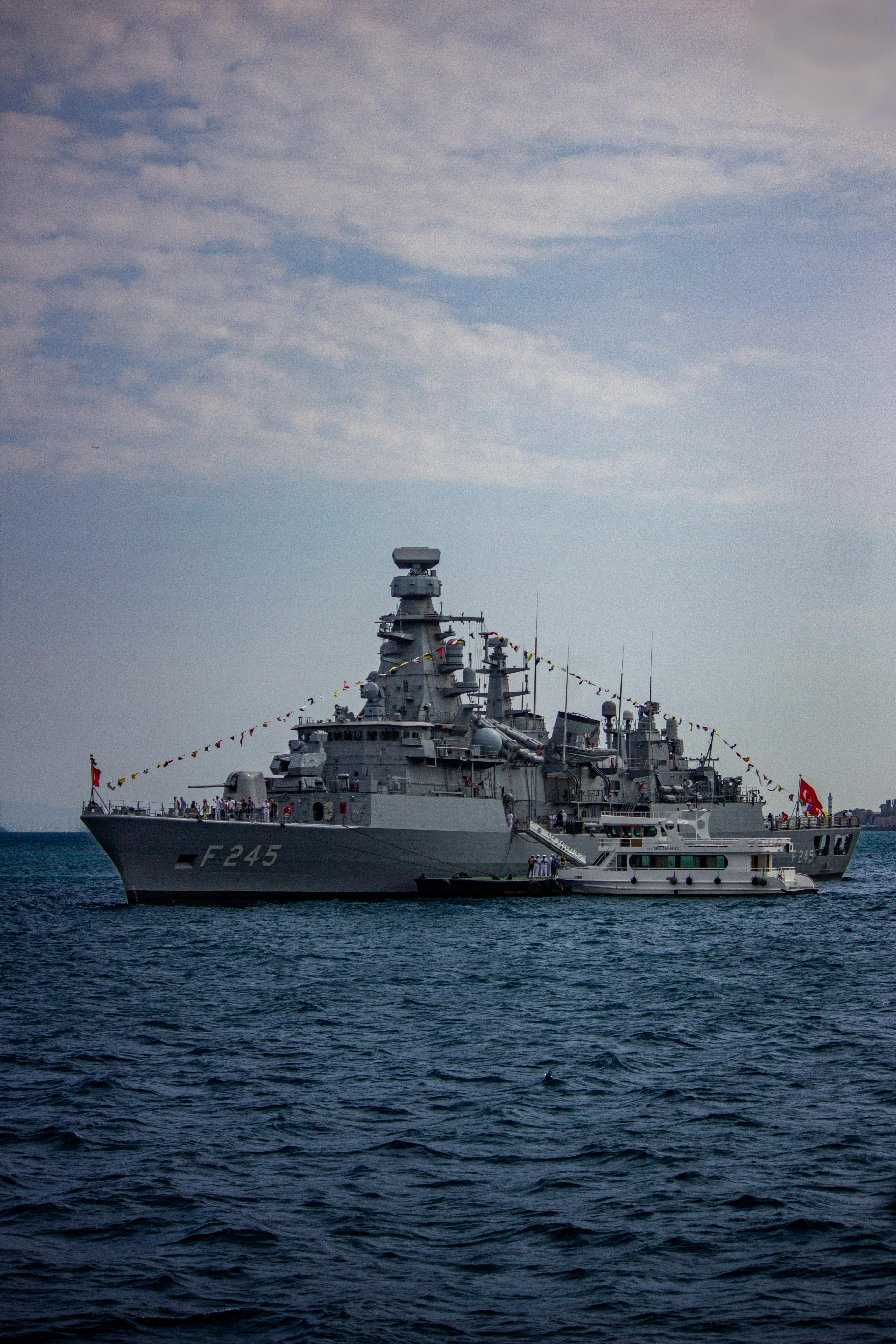
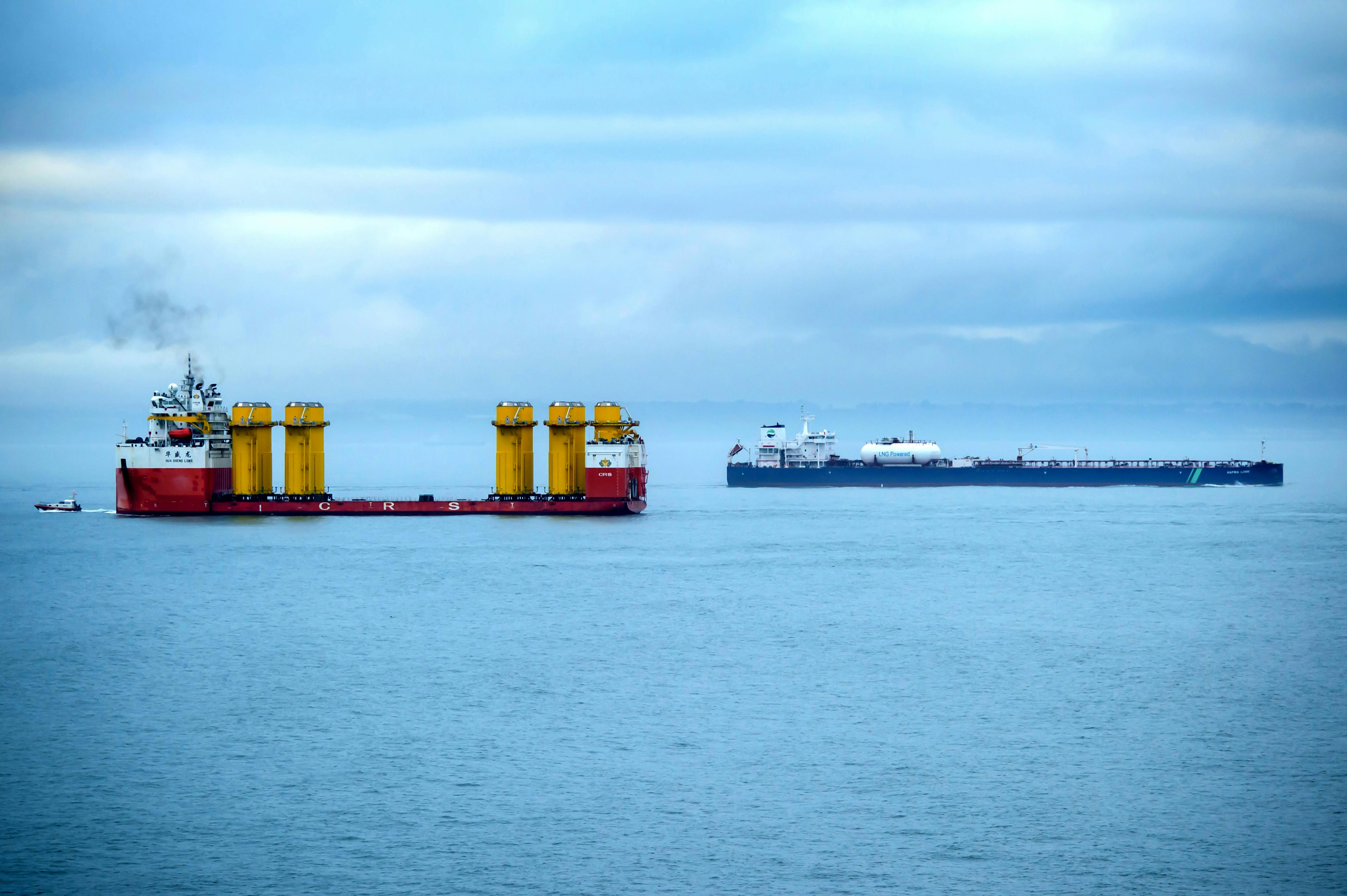
When Donald Trump called on allies to send warships to help secure the Strait of Hormuz, the response he received was, in diplomatic terms, a polite but firm no. Japan said it was not planning to send vessels. Australia confirmed the same. The United Kingdom said it would not be drawn into a broader war. France declined. Germany's government said the conflict was simply "not NATO's war."
The chorus of refusals is significant — not because any single ally's decision is surprising, but because the collective pattern reveals something deeper: the United States has launched a major war in the Middle East and finds itself largely alone in managing its consequences.
This was not supposed to happen. The architecture of Western alliances, built over decades on the premise of mutual defence and shared interests, was expected to activate in moments of crisis. Instead, allies are calculating their own exposure and finding reasons to stay out.
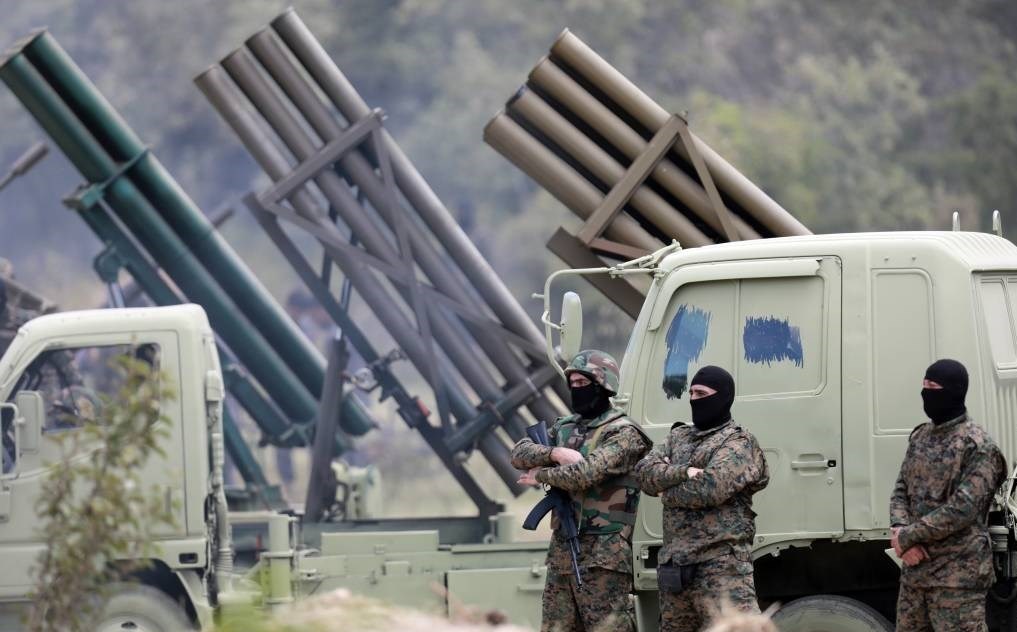
The reluctance is partly practical. Sending warships to the Strait of Hormuz means entering a contested waterway where Iran has demonstrated the ability to launch coordinated missile and drone strikes. The UAE lost a fuel depot near Dubai Airport. Saudi Arabia intercepted 60 drones in a single night. The risk of escalation is real and immediate.
But the reluctance is also political. Trump has framed the war as a decisive American action against an existential threat, but many allies were not consulted before the strikes began on February 28. They are now being asked to share the risks of a conflict they had no role in shaping.
What comes next depends heavily on whether Iran retains the capacity to sustain its current operational tempo. Trump claims Iranian manufacturing capability has been "decimated." The daily strike figures suggest otherwise. ACLED has documented nearly 2,000 conflict events across Iran in 17 days — a rate that shows no signs of abating.
The Strait of Hormuz will not reopen through diplomatic pressure alone. Either a military force secures it, a ceasefire is agreed, or the global economy continues to absorb oil near $100 a barrel indefinitely. None of those outcomes is straightforwardly available. That is the coalition problem Trump cannot solve with a Truth Social post.