A war without off‑ramps: How the Middle East got stuck
The Iran‑Israel war reflects a broader failure of deterrence and diplomacy, locking the region into a cycle of retaliation with no clear exit. Analysts warn that without new political imagination, the Middle East risks a protracted, multi‑front conflict.
 Sercan Roni
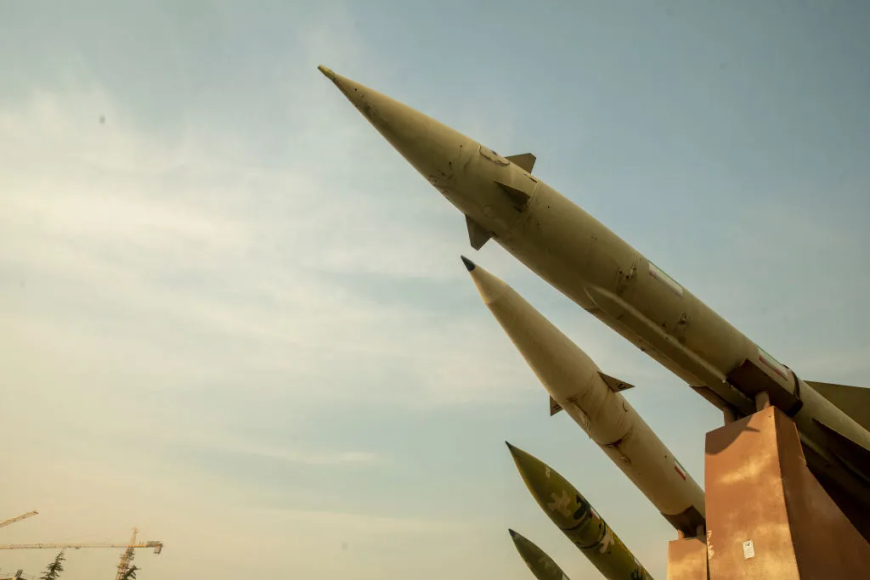
The Iran‑Israel war that erupted in late February 2026 now feels less like a sudden crisis and more like a slow, grinding slide into a regional conflagration with no obvious off‑ramp. A month of missile barrages, drone attacks, and airstrikes has produced neither a decisive victory nor a credible path to de‑escalation, leaving policymakers, militaries, and populations trapped in a cycle of retaliation. The broader region is paying the price in higher energy costs, displaced communities, and weakening state institutions, while the main belligerents appear increasingly committed to showing resolve rather than cutting a deal.
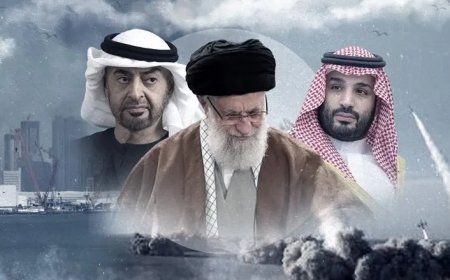
From the outset, deterrence on both sides failed. Tehran miscalculated the scope and intensity of the Israeli and US response, while Jerusalem and Washington appear to have underestimated Iran’s willingness to absorb heavy damage and continue striking. The result has been a “war of escalation dominance,” in which each side seeks to outpace the other in terms of psychological and military pressure, rather than pursuing a negotiated settlement. Recent reports that the United States has delayed planned strikes on Iran’s energy grid for 10 days while claiming “talks are going very well” only underscore the ambiguity of intentions and the lack of a clear, shared roadmap for disengagement.
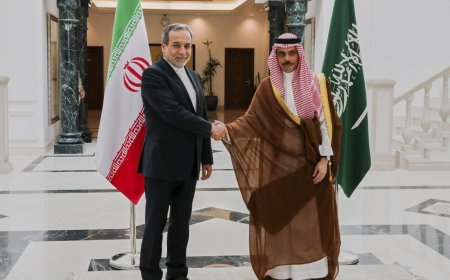
Diplomacy, meanwhile, has become reactive rather than preventive. The Gulf states, Russia, and China have all urged restraint, but their efforts have so far amounted to appeals rather than concrete, mutually binding commitments. One of the central problems is that the key actors do not share a common understanding of what “de‑escalation” means on the ground. For Iran, it may mean an end to Israeli and US strikes on its territory and proxies; for Israel, it may mean guarantees that Iranian‑backed forces will cease missile and drone attacks. Until these benchmarks are spelled out, any ceasefire risks becoming a temporary lull, not a durable pause.
The longer this war continues, the more it threatens to reshape the Middle East’s political architecture. Regional alliances are hardening, economies are under strain, and the space for moderate, reform‑minded voices is shrinking. Analysts warn that unless outside powers and regional actors are prepared to risk short‑term political costs for the sake of long‑term stability, the Middle East may be locked into a new era of protracted conflict—a war without off‑ramps, and with no clear winners, only increasingly weary and exhausted societies.