Energy Crisis Looms as Iran Halts Gas Flow to Turkey After South Pars Attacks
Iran has officially halted natural gas exports to Turkey as of March 2026. Following major strikes on the South Pars field, Ankara faces a 14% supply deficit. Read the full analysis on industrial impacts, energy security, and Turkey's reliance on strategic reserves and alternative pipelines.
 Sercan Roni
0
32
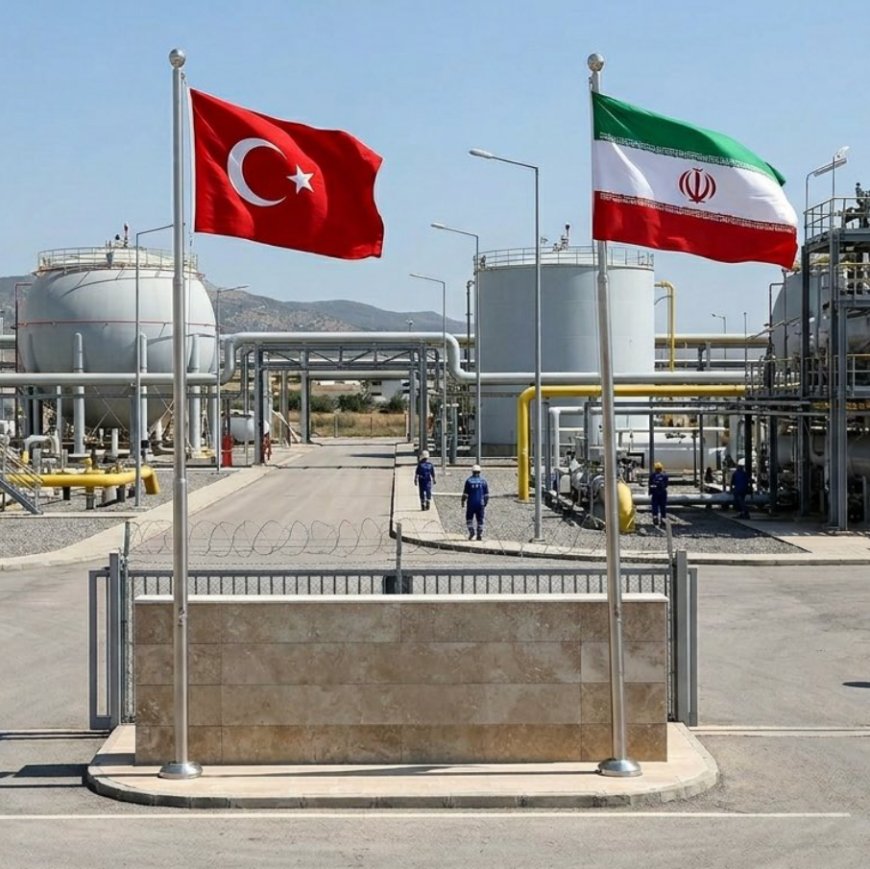
The Turkish energy sector faces a significant supply challenge today as Iran completely halted its natural gas flow to Turkey. The disruption follows a series of military strikes last week that severely damaged Iran’s Southern Pars energy infrastructure, the country’s primary production hub.
Before the cutoff, Iran supplied approximately 13-14% of Turkey’s annual gas needs via the Tabriz-Ankara pipeline. While Turkish officials state that residential heating remains a priority and is currently secured by record-high storage levels in underground facilities, the industrial sector braces for potential "curtailment" measures. To fill the 30 million cubic meter daily deficit, Turkey has ramped up intake from the TurkStream and TANAP pipelines while maximizing output from its FSRU (Floating Storage Regasification Unit) terminals.
Economic analysts warn that replacing cheap Iranian pipeline gas with expensive spot-market LNG will likely exert upward pressure on electricity prices and overall inflation in the coming quarter.