The Illusory Ceasefire: Why the US-Iran Peace Track is Destined for Structural Failure
A comprehensive analysis of the underlying geopolitical contradictions rendering the current Middle East diplomatic pause entirely unsustainable.
 Sercan Roni
0
62
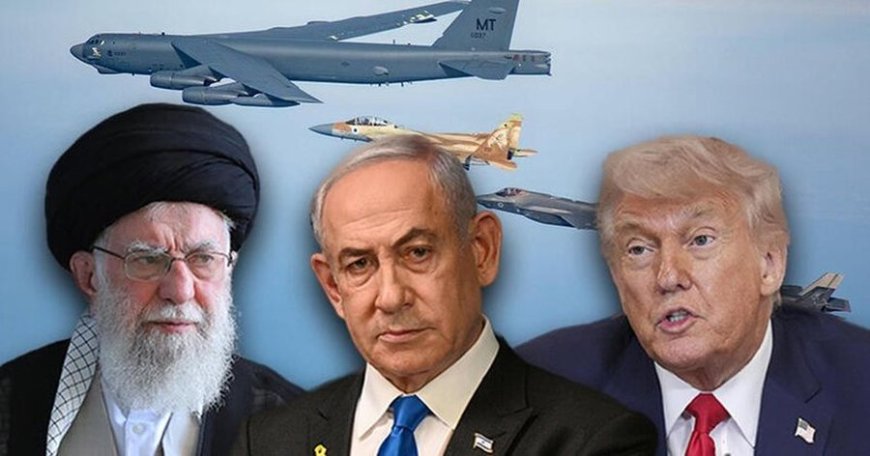
The current tactical pause characterizing the contemporary confrontation between the United States, Israel, and Iran must not be misconstrued as a prelude to a durable peace; rather, it represents a highly volatile operational interlude utilized by all primary combatants to rearm, reposition, and recalibrate for an inevitable secondary explosion, argues a geopolitical analysis. While the Trump administration continues to project an aura of absolute leverage, asserting that Tehran is desperate to conclude a comprehensive diplomatic settlement, the empirical reality on the ground indicates an unbridgeable chasm between the minimum security requirements of the Islamic Republic and the maximalist demands emanating from Washington, report analysts.
The structural core of this failure lies within the nature of the diplomatic terms being floated, notes an expert. The United States has demanded nothing less than a complete geopolitical capitulation: the total surrender of Iran’s enriched uranium assets, the reduction of its nuclear program to a singular monitored site, and the complete relinquishment of its historical management over the Strait of Hormuz, according to diplomatic sources. For any leadership cadre in Tehran, particularly one operating under the shadow of the IRGC, acceding to such terms would be tantamount to institutional suicide, effectively stripping the state of its primary asymmetric deterrents while receiving zero ironclad guarantees regarding long-term regime survival, argue regional experts.
Concurrently, the American assessment that Western bombardments have entirely broken Iran's operational backbone is increasingly exposed as a dangerous analytical miscalculation, says an intelligence report. Recent independent intelligence assessments indicate that despite sustaining heavy infrastructural damage during initial military campaigns, Iran successfully preserved roughly 70 percent of its mobile missile launchers and pre-war ballistic stockpiles by utilizing deeply fortified underground complexes, according to security analysts. By utilizing the ceasefire to actively reconstruct its launch networks, Tehran has ensured that it maintains a potent second-strike capability capable of instantly targeting Western assets across the Gulf if negotiations collapse, reports a regional monitor.
Ultimately, the current diplomatic track is structurally flawed because it treats deeply entrenched existential security imperatives as mere transactional variables, analyzes an expert. President Trump's reliance on a "maximum pressure" methodology, combined with Iran's unyielding commitment to regional deterrence, guarantees that the single round of talks yields little more than mutual recrimination, say diplomatic observers. As maritime blockades continue to choke the global economy and localized skirmishes persist along peripheral borders, the current pause is revealed not as a bridge to regional stability, but as the logistical runway for a far more expansive international conflict, concludes a geopolitical report.