US-Iran War Enters Third Month as Pentagon Discloses $35 Billion Cost; Hegseth Defends Conflict Before Congress
Defense Secretary Pete Hegseth labels the Iran war "not a quagmire" while requesting a 40% budget increase as official costs hit $35 billion.
 Sercan Roni
0
68
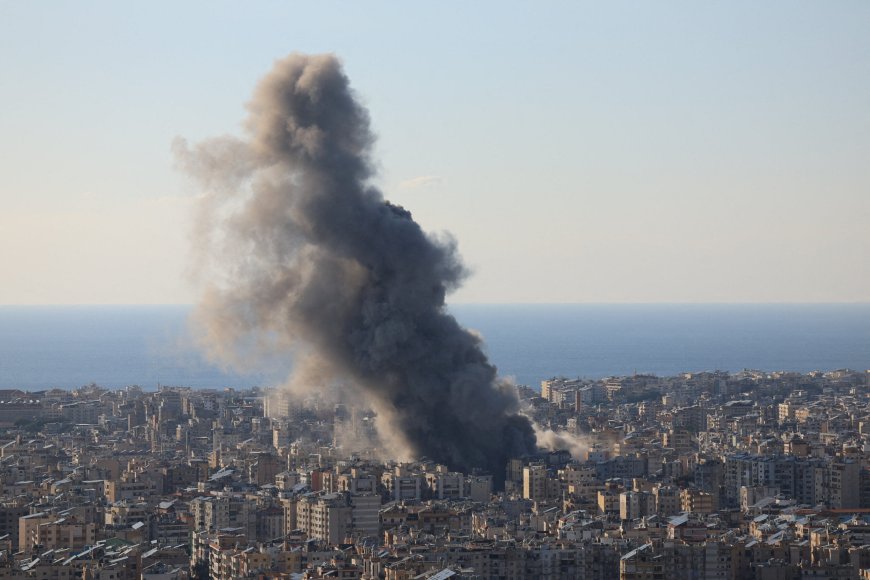
he United States' military campaign against Iran has reached a significant milestone today, marking 60 days since the initial joint US-Israeli strikes sparked a regional conflagration. In a highly anticipated and at times fiery testimony before the House Armed Services Committee, Secretary of Defense Pete Hegseth provided the first comprehensive financial disclosure of the conflict's toll on the American treasury. Hegseth confirmed that the war has cost the United States approximately $35 billion to date, with the vast majority of those funds directed toward the rapid consumption of high-precision munitions and the maintenance of a massive naval blockade in the Persian Gulf.
During the hearing, Hegseth sharply rejected characterizations of the war as a "quagmire," a term increasingly used by critics as the conflict stretches into its third month without a clear endgame. "You call it a quagmire, handing propaganda to our enemies? Shame on you for that statement," Hegseth remarked in response to questioning from Democratic lawmakers. He defended the administration’s strategy of "sustained economic and military pressure," arguing that the current approach is necessary to permanently dismantle Iran’s nuclear infrastructure and maritime threats.
The Pentagon has formally requested a landmark $1.45 trillion defense budget for the next fiscal year, representing a nearly 40 percent increase from current levels. Military officials argue the boost is essential to replenish depleted stockpiles of critical munitions and to support a long-term presence in the region. Meanwhile, independent analysts suggest the $35 billion figure may be a conservative estimate, with some placing the daily operational cost of the war at upwards of $1 billion when factoring in regional base repairs and emergency deployments.
As the legal 60-day deadline for congressional authorization under the War Powers Act expires this week, the White House faces mounting pressure from both sides of the aisle to provide a more detailed strategy. While some Republicans have called for a formal Authorization for Use of Military Force (AUMF) to signal long-term resolve, several Democratic representatives expressed alarm over the lack of transparency regarding the "unforeseen" costs and civilian impacts of the ongoing air and naval campaign.