Gaza Ceasefire Talks Intensify as Mediators Push for Humanitarian Breakthrough
Mediators are stepping up efforts to secure a ceasefire in Gaza amid worsening humanitarian conditions. Talks focus on hostage releases and aid access
 Sercan Roni
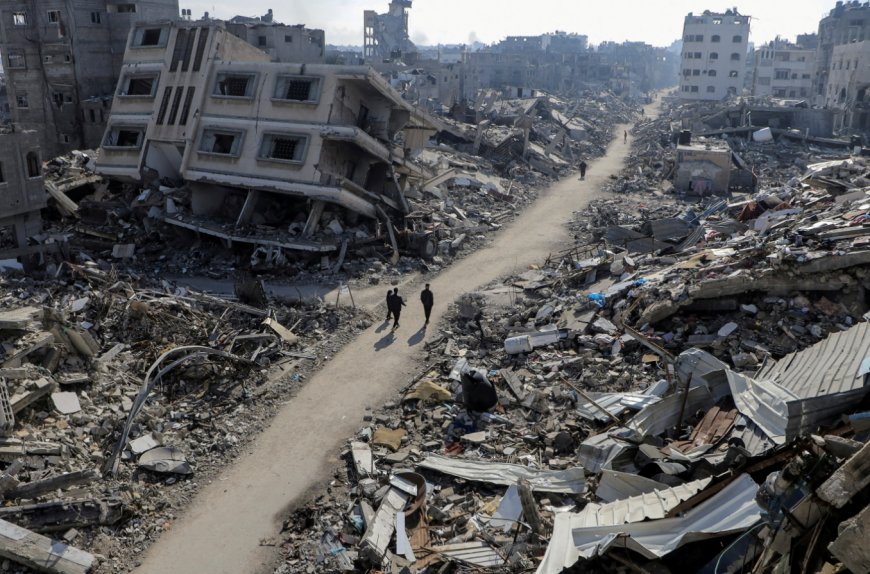
Efforts to secure a ceasefire in Gaza have intensified as regional and international mediators push for a breakthrough amid mounting humanitarian concerns. Egypt and Qatar, supported by the United States, have been leading negotiations aimed at halting hostilities and facilitating the release of hostages held in the enclave.
Officials familiar with the talks indicate that discussions have centered on a phased agreement involving a temporary cessation of fighting, expanded humanitarian access, and a structured exchange of detainees. While gaps remain between the parties, mediators describe the current phase as “critical,” with pressure mounting to deliver tangible results.
A senior Egyptian official said that “all sides are showing a degree of flexibility, but core disagreements persist, particularly on sequencing and guarantees.” Hamas has reiterated its demand for a comprehensive ceasefire, while Israel has maintained that any agreement must include firm security assurances and the dismantling of militant capabilities.
The humanitarian situation in Gaza continues to deteriorate, with aid agencies warning of acute shortages of food, water, and medical supplies. The United Nations has called for “urgent and sustained access” to prevent further civilian suffering.
U.S. officials have also increased diplomatic engagement, emphasizing the need for a deal that addresses both immediate humanitarian needs and longer-term stability. “We are working closely with partners in the region to close the remaining gaps,” a State Department spokesperson said.
Despite cautious optimism among mediators, analysts warn that previous rounds of talks have faltered at similar stages. “The complexity of the issues and the deep mistrust between the parties make any agreement fragile,” said a regional security expert.
The coming days are expected to be decisive, as negotiators attempt to translate diplomatic momentum into a concrete agreement that could ease tensions and provide relief to civilians.