Hormuz Strait Blockade Strands Vital Energy Shipments as Global Oil Markets React
Five India-bound LPG tankers remain anchored near the Strait of Hormuz as Iran’s effective closure of the waterway disrupts critical global energy supply chains
 Sercan Roni
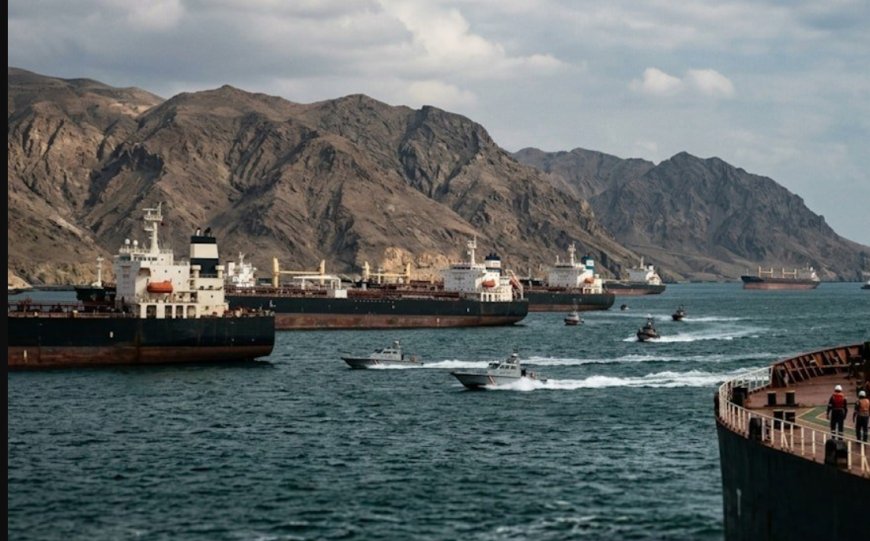
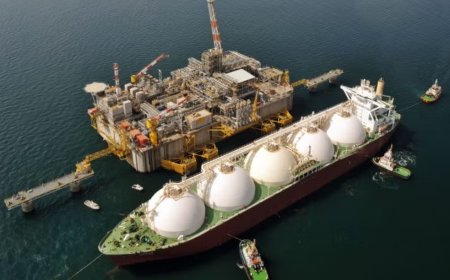
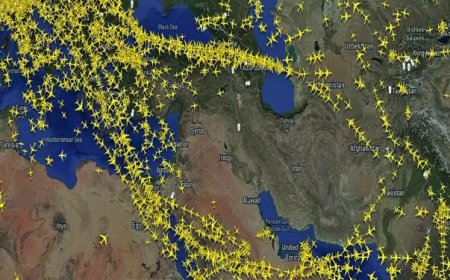
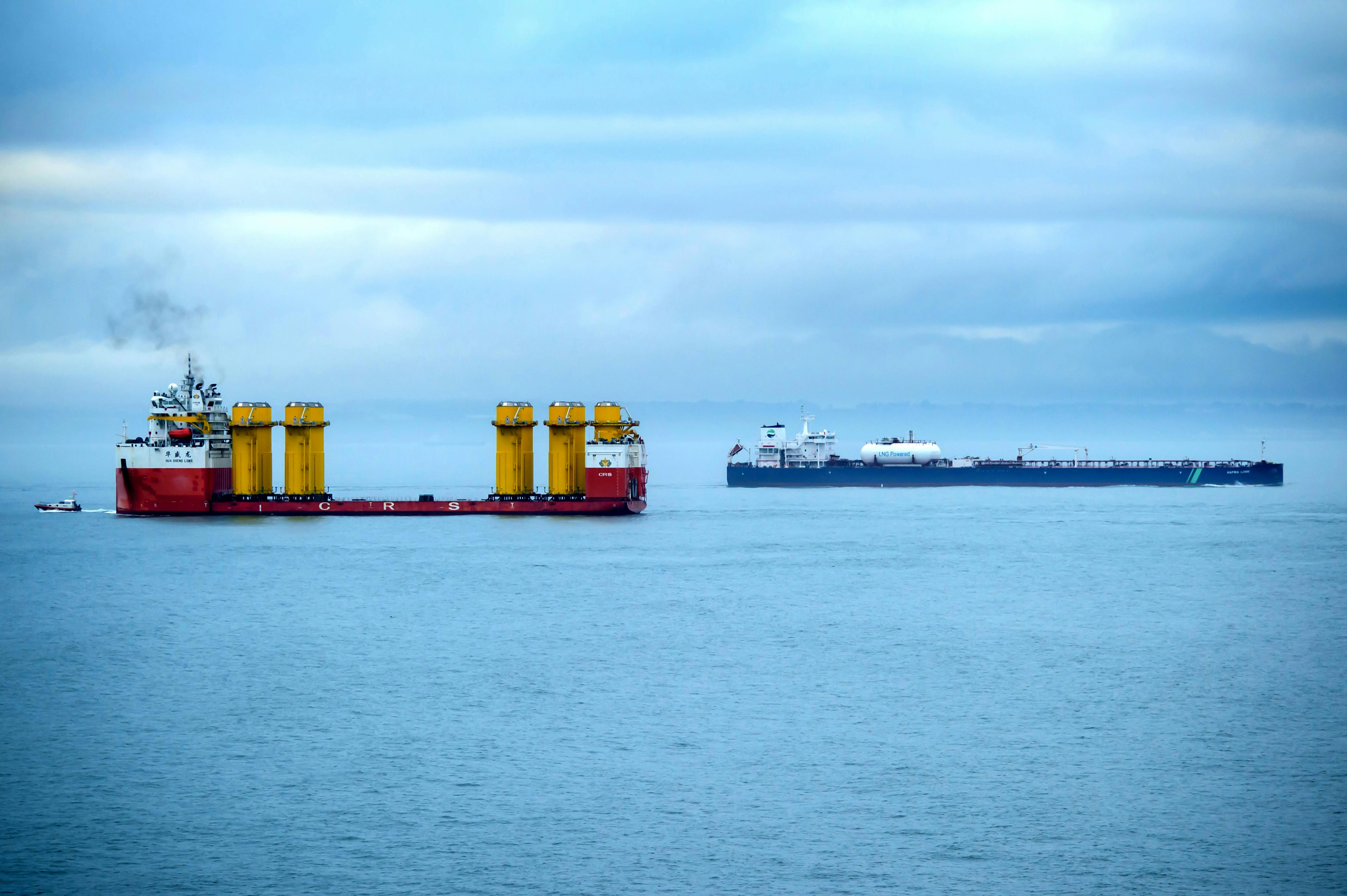
The global energy landscape faced a severe stress test this Saturday as the effective closure of the Strait of Hormuz by Iranian forces continued to bottleneck critical fuel shipments. Reports from maritime tracking agencies confirm that at least five large tankers carrying liquefied petroleum gas (LPG) destined for India remain anchored near the strait, unable to safely transit the waterway. The impasse underscores the extreme vulnerability of global energy arteries during times of high-intensity regional conflict.
The Revolutionary Guard (IRGC) has maintained a "state of belligerency" in the waters surrounding the Persian Gulf, turning back several container ships and oil tankers over the past 48 hours. While Tehran officially denies that the strait is "closed," the imposition of strict inspection protocols and the threat of military seizure have effectively halted normal commercial traffic. For countries like India, which relies heavily on Middle Eastern energy imports, the delay of nearly 170,000 tonnes of LPG represents a significant threat to domestic fuel stability.
"The disruption at Hormuz is no longer a theoretical risk; it is a live crisis affecting the global bottom line," stated an energy economist at a Dubai-based consultancy. "We are seeing a bifurcated market where 'friendly' vessels are given restricted passage while others are forced to wait at anchor or divert around the Cape of Good Hope at massive expense."
In the United Arab Emirates, energy infrastructure has also come under direct threat. Recent drone and missile attacks have targeted storage facilities in Fujairah and upstream assets like the Shah gas field. These incidents have forced temporary suspensions of operations and raised insurance premiums for all maritime activity in the region to record highs. As the conflict enters its second month, the "oil for security" paradigm that has governed the Gulf for decades appears to be fracturing, leaving global markets to grapple with the reality of a sustained interruption in one of the world's most vital trade corridors.