Iran Launches New Missile Barrage at Israel as Regional Conflict Enters Fourth Week
Iran fired a fresh wave of missiles toward Israel late Friday, triggering sirens in Jerusalem and Tel Aviv as the month-long regional war continues to escalate
 Sercan Roni
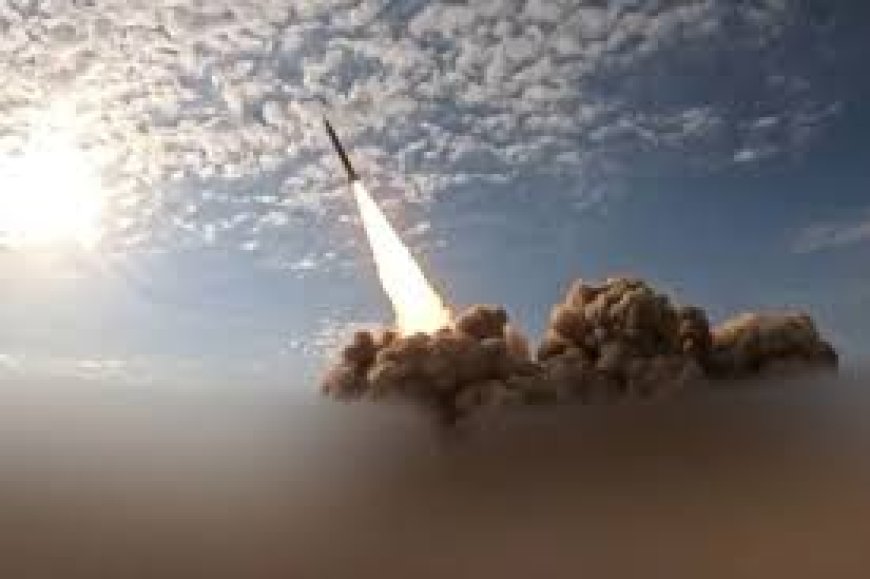
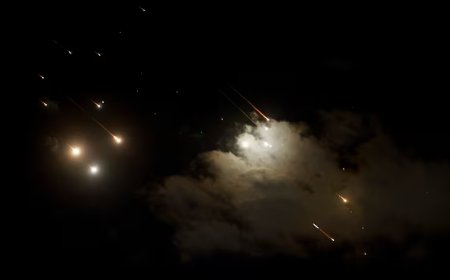
The Middle East teetered on the edge of an even broader conflagration late Friday and early Saturday as the Iranian military launched a significant barrage of missiles directly targeting the State of Israel. The Israel Defense Forces (IDF) confirmed the launches, stating that air defense systems were actively engaged in intercepting threats over major population centers. Air raid sirens echoed across Jerusalem and central Israel, sending millions of civilians into bomb shelters as the war, which began in late February, approached the end of its fourth week.
This latest escalation follows a series of devastating exchanges that have redefined the regional security landscape. According to military analysts, the current conflict was ignited on February 28, 2026, when a joint U.S.-Israeli campaign targeted Iranian military infrastructure and leadership. Since then, the cycle of violence has claimed thousands of lives. In a statement released shortly after the sirens began, an IDF spokesperson said, "The Iranian regime continues to choose the path of escalation. Our defensive systems are operating at high readiness, and we will take all necessary measures to protect the citizens of Israel."
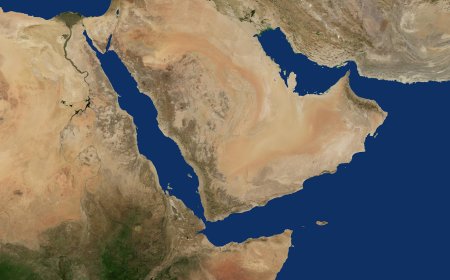
As the missiles streaked across the night sky, U.S. Central Command indicated it was monitoring the situation closely. While the U.S. has provided defensive support to Israel, the continued direct involvement of Iranian forces suggests that diplomatic efforts to contain the war have so far proven unsuccessful. With the Strait of Hormuz effectively closed and regional airspace heavily restricted, the impact of tonight’s barrage is expected to further destabilize global energy markets and international shipping routes.