The Asymmetric Paradigm: How the Strait of Hormuz Blockade Redefined Modern Naval Strategy
An in-depth analysis of how low-cost maritime denial tactics employed by regional actors have successfully challenged traditional Western naval superiority and reshaped global commerce.
 Sercan Roni
0
60
The strategic deadlock across the Persian Gulf throughout the opening months of the year will likely be studied by future historians as the definitive turning point where classic naval power projection was fundamentally altered by the realities of asymmetric warfare. For over a century, global superpowers have relied on the deployment of massive, capital-intensive naval battle groups—centered around multi-billion-dollar aircraft carriers and guided-missile destroyers—to guarantee the freedom of navigation through critical maritime chokepoints. However, recent events in the Strait of Hormuz have demonstrated that low-cost, decentralized denial capabilities can effectively neutralize these traditional instruments of hegemony.
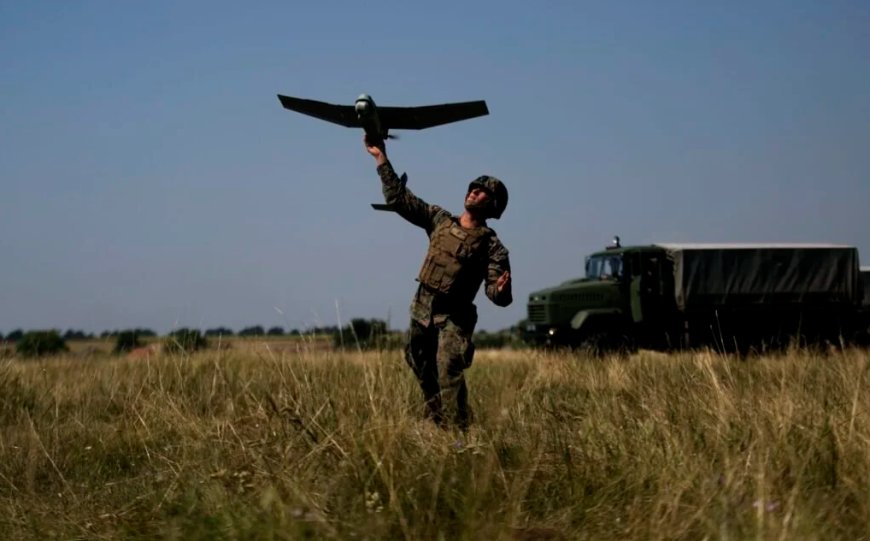
By utilizing a combination of inexpensive, locally manufactured kamikaze unmanned aerial vehicles, mobile anti-ship cruise missiles, and swarms of fast-attack craft, regional actors have imposed an unsustainable economic tax on Western military forces. The Pentagon's acknowledgment that a single theater deployment has already cost billions of dollars highlights a profound macroeconomic imbalance: state judiciaries and naval commands are being forced to expend multi-million-dollar air defense munitions to intercept offensive systems that cost a fraction of the price to produce.
This strategic disparity has permanently altered the calculus of global trade. The ability of a secondary military power to cause a 30 percent reduction in global energy transit through a single waterway underscores the inherent vulnerability of highly centralized global supply chains.
Ultimately, the resolution of this maritime impasse did not emerge from a decisive naval victory, but rather through a transactional diplomatic understanding between Washington and Beijing. This reality signals the dawn of a genuinely multipolar security architecture, wherein traditional Western dominance must increasingly accommodate the commercial and strategic imperatives of rising Eurasian powers to maintain global equilibrium.