Allies Refuse to Send Warships as Trump Presses for Hormuz Coalition — Oil Stays Near $100
Japan, Australia, the UK and France all declined to send warships to help secure the Strait of Hormuz, defying US pressure, as oil prices remained near $100 a barrel and Iran struck Gulf energy infrastructure.
 Sercan Roni

US President Donald Trump's effort to assemble a multinational naval coalition to reopen the Strait of Hormuz hit a wall on Monday as key allies refused to commit warships to the mission.
Japan's prime minister said Tokyo would not send vessels. Australia confirmed it was not planning any military contribution. UK Prime Minister Keir Starmer said Britain would not be drawn into a broader war in the Middle East. France's foreign ministry stated it would not deploy naval forces as part of the US initiative. Germany's chancellor said the conflict had "nothing to do with NATO" and was "not NATO's war."
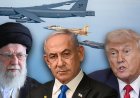
Trump, speaking on board Air Force One, said the US was hitting Iran's drone factories and that Tehran had "very little firepower left." He claimed the US had received "some positive response" from outreach efforts, and later said "numerous countries have told me they're on the way" — without naming any. He warned that NATO faces a "very bad" future if allies fail to help.
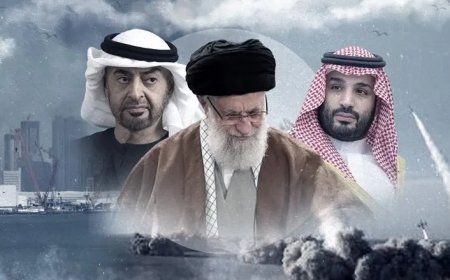
Saudi Crown Prince Mohammed bin Salman expressed support to Trump for the continuation of military operations against Iran, according to a New York Times report, but stopped short of committing naval forces.
Oil prices remained stubbornly high, hovering near $100 per barrel, as attacks on Gulf energy infrastructure continued. A drone struck a petroleum facility in Fujairah, causing a limited fire. Iran also targeted oil installations in Saudi Arabia's eastern region. Trump predicted prices "will drop like a rock as soon as it's over," but markets remained unconvinced as no ceasefire appeared imminent.