Contradictions Define Diplomacy as Trump Cites ‘Points of Agreement’ with Iran While Tehran Calls It ‘Fake News’
A day of contradictory diplomatic signals saw Trump postpone energy strikes citing “productive” Iran talks, while Iranian officials and parliament dismissed negotiations as nonexistent.
 Sercan Roni
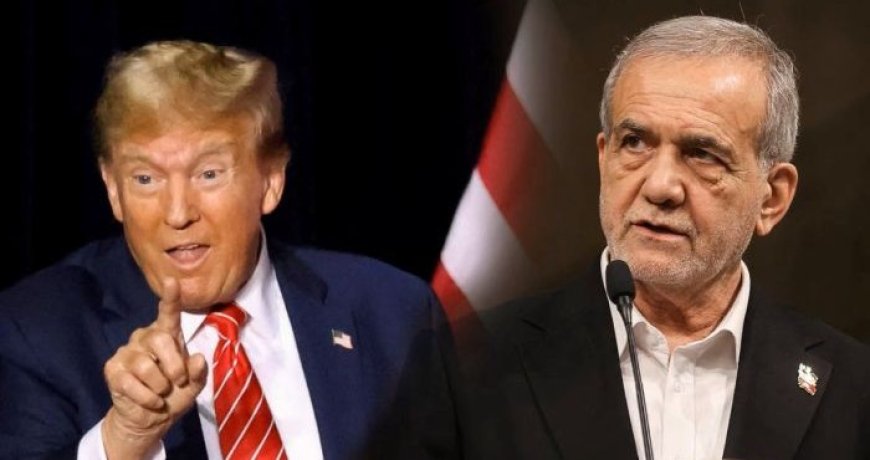
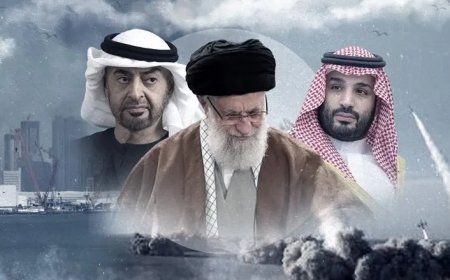
Diplomacy in the Iran war entered its most confusing chapter yet on March 23 and 24, as US President Donald Trump announced progress in back-channel talks with Iran — a claim Tehran rejected outright — generating a 24-hour cycle of contradictions that left the path toward a resolution as opaque as it has been since the conflict began on February 28.
Trump disclosed that the diplomatic effort was being steered by Jared Kushner, his son-in-law and trusted envoy, alongside Steve Witkoff, the senior Middle East advisor who previously played a central role in brokering preliminary Gaza arrangements. Trump described the conversations as occurring over phone lines, though he stopped short of confirming which Iranian officials were engaged. “It’s quite challenging to identify a nation,” Trump told reporters. “I suppose it’s difficult for them to extricate themselves.”[dw +1]
The announcement appeared to shift the immediate military calculus. Trump walked back his explosive 48-hour ultimatum — in which he threatened to strike Iran’s power plants “with the biggest one first” — replacing it with a five-day suspension of those threatened strikes. The reversal was widely seen as a significant de-escalatory gesture from a president who had, just the day before, publicly disparaged the notion of a ceasefire.
Iranian officials countered Trump’s account with categorical denials. Parliament Speaker Mohammad Bagher Ghalibaf posted on social media that Trump’s claims were a fabrication designed to manipulate oil markets. Iran’s foreign ministry issued no confirmation of contact, and no Iranian government body publicly acknowledged any diplomatic exchange with American interlocutors. A report from Moneycontrol cited sources identifying Ghalibaf himself as a key figure in any potential US push to find an Iranian partner for talks, though no Iranian official confirmed this.
European leaders have been largely excluded from the diplomatic process but are increasingly vocal about its urgency. The European Commission’s von der Leyen used the occasion of the EU-Australia trade summit to call for a negotiated end to the conflict, reflecting growing European frustration at having been given no advance warning before the US and Israel launched the February 28 operation. Trump had previously excluded allies from pre-war consultations and has since issued fresh demands for other nations to take responsibility for securing the Strait of Hormuz.
The conditions Trump has publicly outlined for a diplomatic settlement are steep: Iran must abandon its nuclear program entirely and surrender its stockpile of enriched uranium. Iranian analysts and officials have given no indication of willingness to accept such terms. Israeli Prime Minister Benjamin Netanyahu, whose reported lobbying of Trump directly led to the joint operation that killed Supreme Leader Khamenei, has shown no interest in a resolution short of a fundamental transformation of the Iranian state.