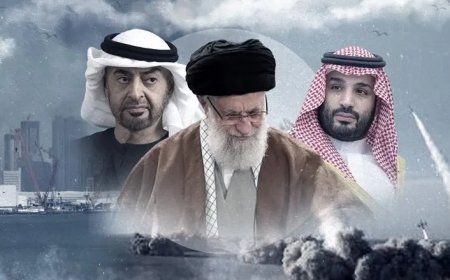
Iran Signals Openness to Indirect Talks Amid Rising Regional Pressure
Iran indicates willingness for indirect negotiations as tensions rise. Diplomatic channels remain active despite ongoing regional instability
 Sercan Roni
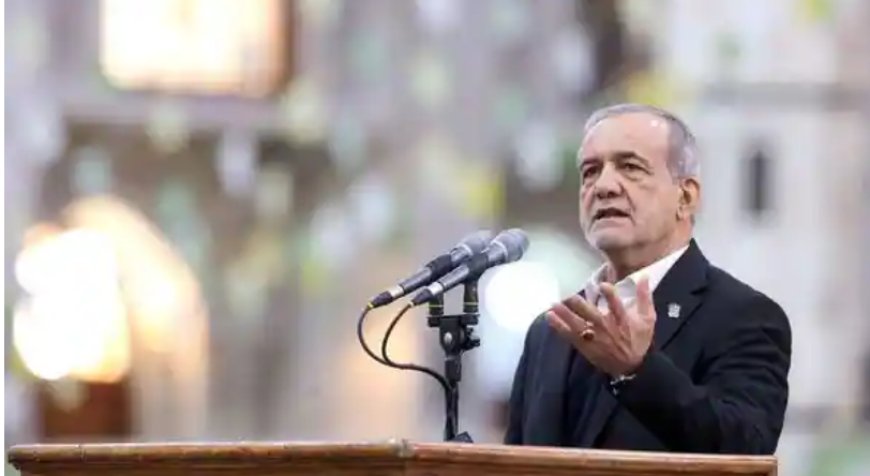
Iran has signaled a renewed openness to indirect negotiations amid increasing regional pressure and ongoing geopolitical tensions. Officials in Tehran have emphasized that while direct talks remain unlikely under current conditions, intermediary channels continue to function as a means of communication.
The development comes as international concerns grow over Iran’s nuclear program and its role in regional conflicts. Western officials have indicated that indirect discussions, often facilitated by regional actors such as Oman and Qatar, remain a viable pathway to prevent further escalation.
An Iranian foreign ministry spokesperson stated that “diplomacy remains on the table, provided that it is conducted with mutual respect and without preconditions.” This position reflects Tehran’s longstanding stance on negotiations, particularly in relation to sanctions and security guarantees.
Analysts note that Iran’s approach is shaped by both domestic and external considerations. Economic pressures, including the impact of sanctions, have reinforced the importance of diplomatic engagement, while regional developments continue to influence strategic calculations.
At the same time, skepticism remains among Western governments regarding Iran’s intentions. A European diplomat said that “while signals are positive, concrete steps will be necessary to rebuild trust.”
The broader regional context, including tensions in the Gulf and ongoing conflicts in neighboring countries, adds complexity to the situation. Experts argue that any progress in negotiations will depend on aligning multiple interests across different actors.
As indirect talks continue, the outcome will likely have significant implications for regional stability and international relations.