Iraq and United States Reach Strategic Accord to Shield Baghdad from Regional War
Baghdad and Washington have agreed to form a joint committee to ensure Iraqi territory is not used as a launchpad for attacks amid the widening Iran-Israel conflict
 Sercan Roni
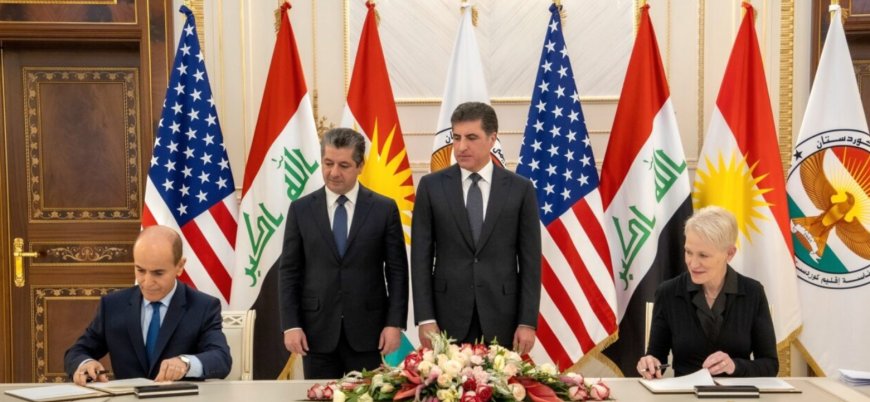
In a pivotal diplomatic development aimed at containing the spillover of the regional war, the governments of Iraq and the United States announced a formal agreement on Saturday to prevent Iraq from being drawn into the ongoing military confrontation. Following high-level discussions between Iraqi security officials and U.S. diplomats, the two nations committed to the formation of a "Supreme Joint Coordination Committee." The primary mandate of this body is to ensure that Iraqi territory is not utilized by any party as a staging ground for attacks.
The agreement comes at a time of extreme tension for Baghdad, which has found itself caught between its strategic partnership with Washington and its complex relationship with neighboring Iran. Since the outbreak of hostilities on February 28, Iraq has witnessed several unauthorized missile and drone launches from its soil, as well as U.S. retaliatory strikes against militia headquarters. The new accord seeks to formalize a policy of Iraqi neutrality, emphasizing the "inviolability of Iraqi sovereignty."
A statement from the Iraqi Security Media Cell emphasized that both sides "reaffirmed their commitment to keeping Iraq out of the widening regional conflict." The committee will focus on intensifying intelligence sharing and physical security measures around strategic facilities, diplomatic missions, and coalition assets. "Iraq cannot be an arena for external scores to be settled," said a senior advisor to the Iraqi Prime Minister. "Our priority is the safety of our people and the stability of our nascent democratic institutions."
While the diplomatic achievement is significant, challenges remain. Various paramilitary factions within Iraq, some with close ties to Tehran, have expressed public opposition to the U.S. presence and may ignore the government’s calls for restraint. However, the U.S. State Department hailed the agreement as a "crucial step toward regional de-escalation." By securing Baghdad’s commitment to neutrality, Washington hopes to limit the geographic scope of the conflict and preserve the progress made in the fight against extremist groups in the region.