Iran Confirms Death of National Security Chief Ali Larijani in Israeli Strike on Tehran
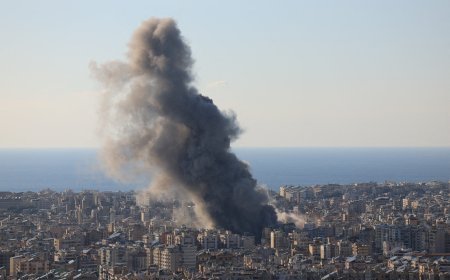
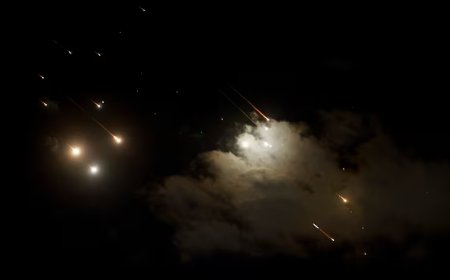
Iranian state media has confirmed the death of National Security Chief Ali Larijani following an overnight Israeli airstrike on the capital city of Tehran.
 Sercan Roni
0
180

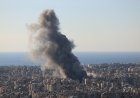
TEHRAN — In a significant development that marks one of the most high-profile losses for the Islamic Republic since the start of current hostilities, Iranian state media confirmed on Wednesday, March 18, 2026, that Ali Larijani, the Secretary of the Supreme National Security Council, has been killed. The confirmation follows an official announcement from the Israeli military earlier today claiming responsibility for a targeted overnight strike in the heart of Tehran.
Larijani, 67, was a cornerstone of the Iranian political and security establishment, having served previously as the Speaker of Parliament for twelve years and as a veteran nuclear negotiator. According to a statement released by the Supreme National Security Council, Larijani was "martyred" alongside his son, Morteza Larijani, and the head of his office, Alireza Bayat, during the precision aerial bombardment. The statement lauded his "lifetime of struggle" and his ultimate sacrifice "in the trench of service" to the revolution.
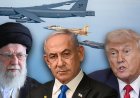
Israeli Defense Minister Israel Katz stated that the operation was part of a broader strategy to "decapitate" the strategic command of the Iranian regime. "Ali Larijani was a central figure in coordinating military planning and internal crackdowns," Katz noted, asserting that the strike was a "direct hit on strategic security personalities." Prime Minister Benjamin Netanyahu added that the elimination of such figures is intended to "undermine the regime" and provide the Iranian people an opportunity for change.
The death of Larijani follows the reported killing of Supreme Leader Ayatollah Ali Khamenei on the conflict's first day and the assassination of Basij paramilitary commander Gholamreza Soleimani, also confirmed today. Analysts suggest that the loss of Larijani, a figure known for his pragmatic leanings and ability to communicate with both hardliners and foreign powers like China and Russia, represents a devastating blow to Iran's remaining decision-making apparatus during this acute crisis.