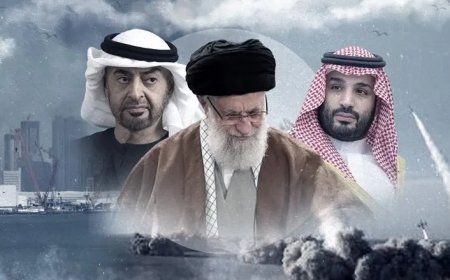
Trump Claims ‘Very Good’ Iran Talks as Tehran Denies Any Negotiations, War Enters Day 25
President Trump postponed strikes on Iranian power plants after announcing “very productive” talks with Iran, but Iranian officials flatly denied any negotiations are underway.
 Sercan Roni
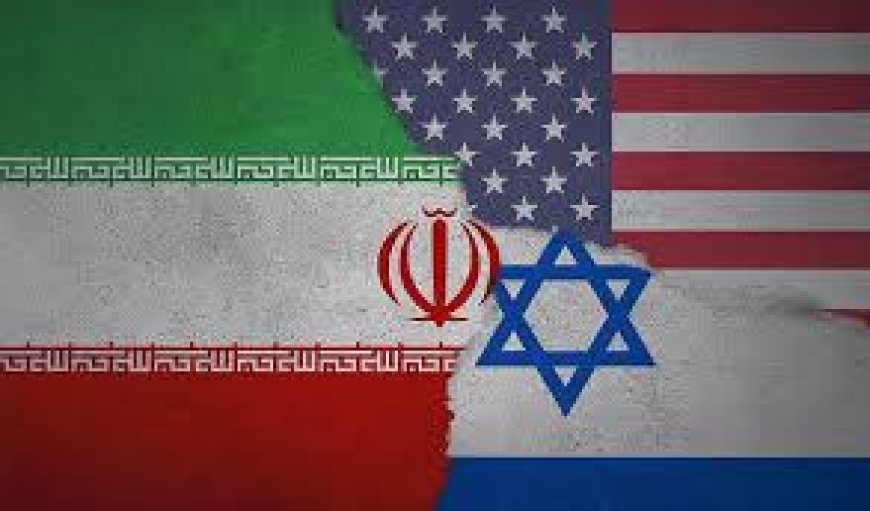
The war between the United States, Israel, and Iran entered its 25th day on March 24, 2026, marked by a stunning diplomatic about-face from President Donald Trump, who announced that Washington and Tehran had held what he described as “VERY GOOD” talks toward ending the conflict — only to be promptly contradicted by Iranian officials who dismissed the claims as fabrication.
Trump made the announcement on Monday, hours before the expiration of his 48-hour ultimatum threatening to “obliterate” Iranian power plants if Tehran did not fully reopen the Strait of Hormuz. In a Truth Social post, the President said he had directed the military to “postpone any and all military strikes on Iranian power and energy for a five-day period,” citing the progress of ongoing diplomatic contacts as justification.
Speaking to reporters, Trump said the talks were being led by his son-in-law and senior advisor Jared Kushner, alongside special envoy Steve Witkoff. “We have had very, very strong talks,” Trump said. “We have major points of agreement.” He added that his administration was in contact with Iranian negotiators by phone, though he declined to identify specific counterparts.
Iranian officials, however, pushed back forcefully. Iran’s Parliament Speaker Mohammad Bagher Ghalibaf took to social media to label Trump’s claims as “fake news,” accusing Washington of using manufactured diplomatic narratives to manipulate global oil markets. Iran’s foreign ministry issued a parallel denial, with no confirmation from any Iranian government institution that talks of any kind had taken place.
The dramatic reversal came just a day after Trump had told reporters he was not inclined toward a ceasefire, boasting that the United States was “obliterating” Iran’s missile reserves, navy, air force, and defense manufacturing capabilities. Critics noted the inconsistency as evidence of strategic incoherence, while administration supporters framed it as deliberate ambiguity designed to keep adversaries off balance.
Among the conditions the US has reportedly set for a resolution, Trump stated that Iran must relinquish its nuclear ambitions and surrender its stockpile of enriched uranium. He also suggested Washington could play a role in determining Iran’s post-war leadership, comparing the scenario to the US-backed transition in Venezuela following Nicolás Maduro’s ouster.
The announcement sent shockwaves through global financial markets, with major indices recording a rebound as investors interpreted the news as a signal that the devastating energy crisis triggered by the Strait of Hormuz closure could soon ease. Brent crude futures fell modestly from their multi-year highs following the announcement, though analysts warned that the contradictory statements from both sides left the diplomatic picture deeply uncertain.
As of early Tuesday morning, Iranian state media continued to deny any contact with the United States, and the Strait of Hormuz remained effectively closed to vessels from the US, Israel, and their Western allies. The conflict has now stretched across Lebanon, Iraq, and the broader Gulf, with no verified pathway to a ceasefire currently confirmed by either side.