The 48-Hour Ultimatum: Why Trump's Hormuz Threat Is Both Powerful and Dangerous
Trump's ultimatum to Iran over the Strait of Hormuz represents the most direct US threat of the war. But the logic of ultimatums in complex conflicts is rarely straightforward — and the risks of miscalculation are high.
 Sercan Roni
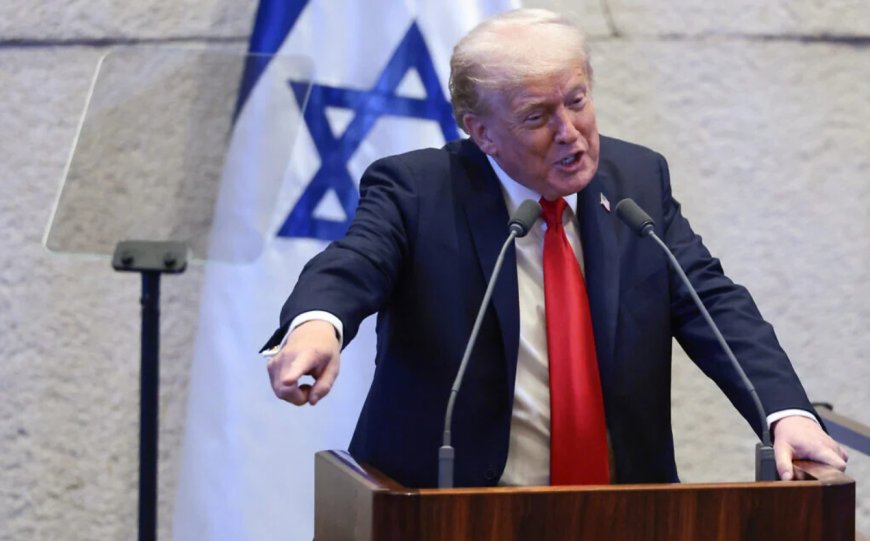
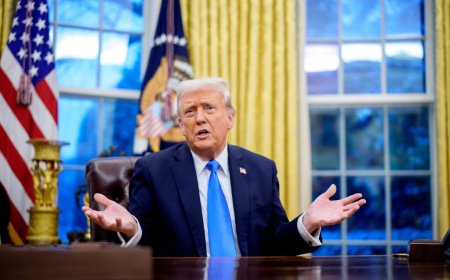
When Donald Trump posted his 48-hour ultimatum on Truth Social on Saturday — threatening to destroy Iran's power plants if the Strait of Hormuz is not fully reopened — he was doing something that American presidents rarely do openly: issuing a time-bound, consequence-specific military threat to a sovereign state in real time.
The logic behind the ultimatum is straightforward. The Strait of Hormuz carries roughly 20 percent of the world's oil supply. Its effective closure since February 28 has pushed crude prices above $110 a barrel, disrupted global energy markets, and begun to inflict measurable economic pain on American consumers. A gallon of gasoline in the United States now costs significantly more than when the war began. Trump, who won the presidency partly on economic promises, cannot afford a prolonged energy shock at home.
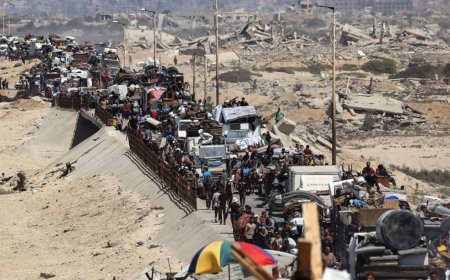
Striking Iran's power plants would be a significant escalation beyond the current targeting logic of the campaign, which has focused on military and nuclear infrastructure. Power plants serve civilian populations. Their destruction causes cascading effects — hospitals lose power, water treatment fails, heat and light disappear for ordinary people. The humanitarian consequences would be severe and immediate, and would draw international condemnation far beyond anything the war has generated so far.
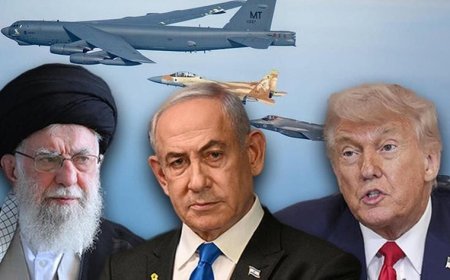
Iran's response to the ultimatum was predictable: a threat to close the Strait completely. This is a paradox that Trump's advisers must be navigating carefully. The United States wants the Strait open. Iran's leverage is precisely its ability to threaten the Strait's closure. Striking Iran's power plants does nothing to directly reopen the waterway — it only raises the stakes of non-compliance.
The 22-nation coalition forming around Hormuz protection is significant, but its practical shape remains undefined. Having 22 countries sign a statement expressing willingness to contribute is not the same as having 22 navies ready to escort tankers through a waterway under active threat. The logistics of such an operation — identifying vessels, coordinating escorts, managing rules of engagement — take weeks or months to establish.
What the ultimatum does accomplish is this: it signals that the United States is running out of patience with the current strategic stalemate. The war has been in its fourth week with no ceasefire, no deal, and no clear end in sight. Trump needs a visible win. The ultimatum is, in part, political theater designed to project decisiveness. Whether Iran reads it the same way — or whether it triggers the very escalation it is designed to prevent — will determine the course of the next 48 hours.