The War That Changed Everything: How Three Weeks of Fighting Are Reshaping the Middle East Order
Three weeks into the US-Israel war on Iran, the region's political, energy and security landscape looks fundamentally different. An assessment of what has changed and what comes next.
 Sercan Roni
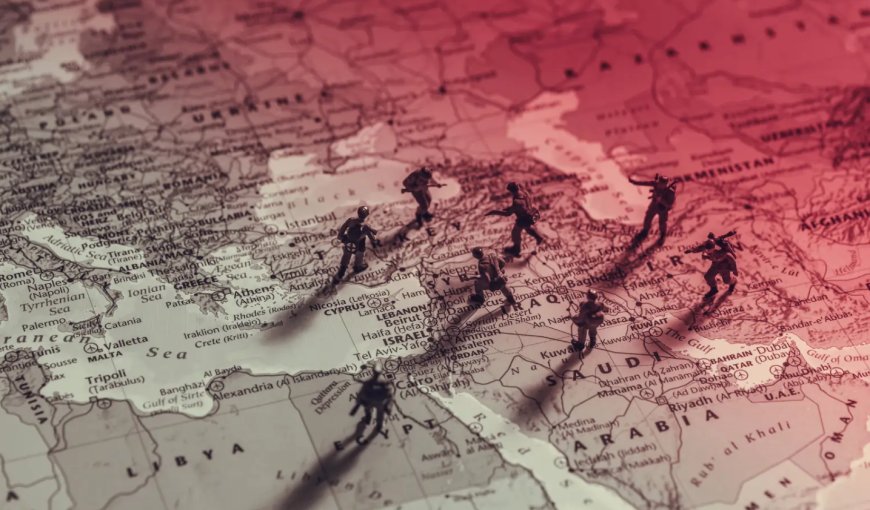
Three weeks ago, the Middle East was a region defined by managed tensions, fragile ceasefires and carefully calibrated deterrence. The US-Israel strikes on Iran that began on February 28 have ended that era. What is emerging in its place is something new, unstable and not yet fully legible — but already irreversible.
The most obvious change is in the balance of military power. Iran's air force and navy have been severely degraded, according to US military assessments. Its missile and drone production capacity has been significantly disrupted. The Islamic Revolutionary Guard Corps has lost dozens of senior commanders, and the country's new supreme leader, Mojtaba Khamenei, remains out of public view, reportedly wounded in an earlier strike.
But degrading Iran's military capacity is not the same as neutralizing Iran's political influence. Tehran has demonstrated something important in three weeks of war: the Axis of Resistance model, while damaged, still functions. Hezbollah is still firing rockets at Israel. Houthi forces are still operating in the Red Sea. Iranian proxies across Iraq and Syria remain active.
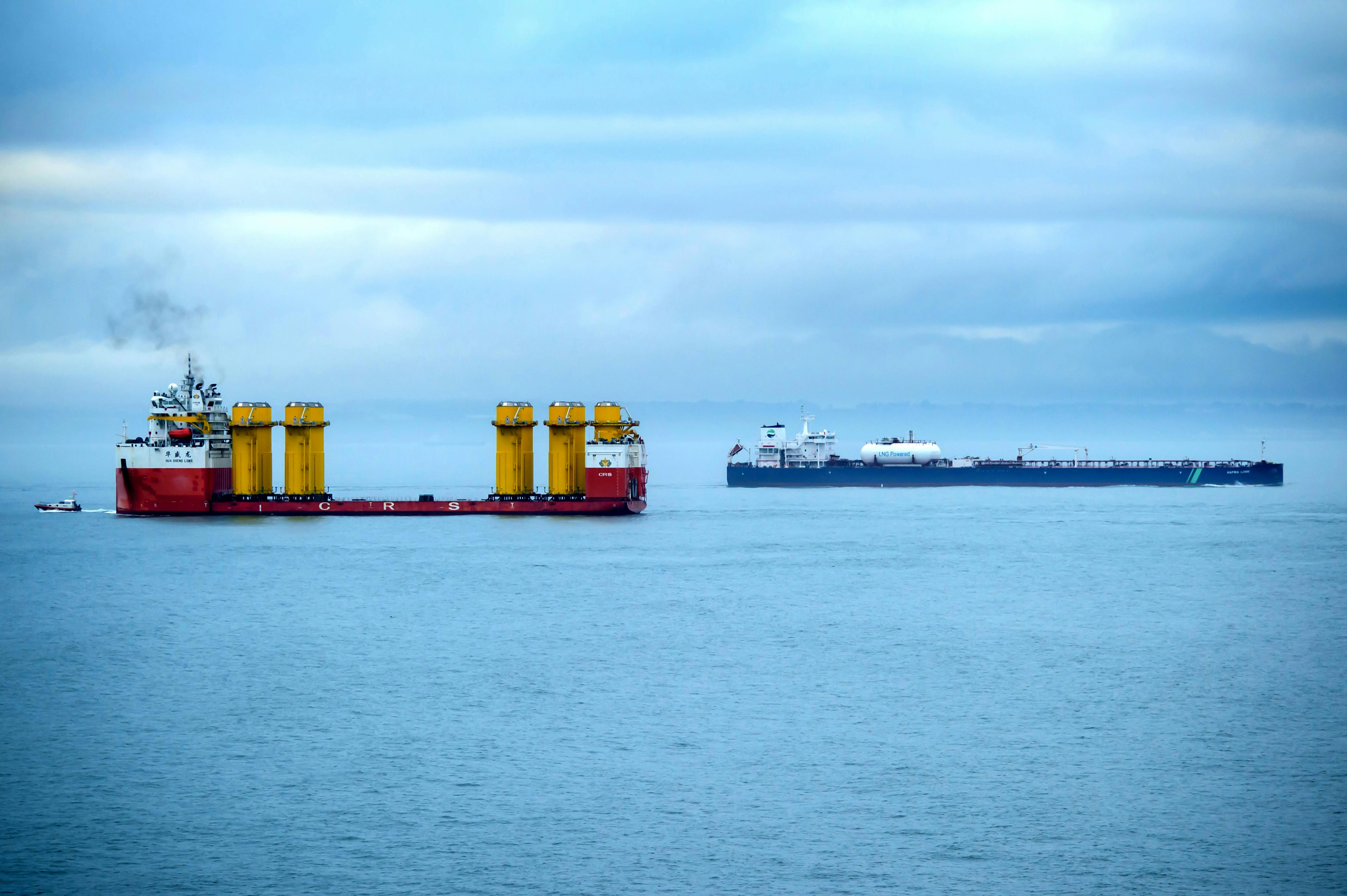
The energy dimension of this conflict is without precedent. Iran's strike on Qatar's Ras Laffan LNG facility — cutting 17 percent of output for up to five years — represents an escalation that goes beyond the immediate military confrontation. Qatar supplies 20 percent of global LNG. The IEA has now called this the largest oil supply disruption in market history.
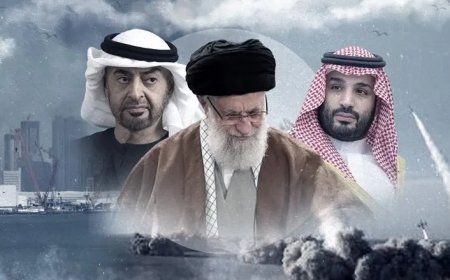
The political realignment among Gulf states is equally significant. Saudi Arabia, the UAE, Kuwait and Bahrain have all come under Iranian attack. They have all intercepted missiles and drones, suffered casualties, and watched their energy infrastructure targeted. Gulf officials are now telling CNN that they are more open than ever before to joining a US-led coalition to protect the Strait of Hormuz — a position that would have been unthinkable three weeks ago.
What has not changed is the fundamental difficulty of defining victory. Trump says the US has "won." Netanyahu says Iran is "being decimated." Tehran says the war is not winding down. Three weeks in, the question of what ends this conflict — and on whose terms — remains entirely open.
The people celebrating Nowruz and Eid al-Fitr in the rubble of Beirut, the bombed-out districts of Tehran and the displaced communities of southern Lebanon are living the answer to a question that diplomats and strategists are still asking: what does a post-war Middle East look like? The answer, whatever it is, will define the region for a generation.