India's Delicate Balancing Act: Can New Delhi Broker Peace in the Middle East?
As the only major power with working relationships across all parties to the conflict, India is uniquely positioned to facilitate a negotiated end to the war.
 Sercan Roni
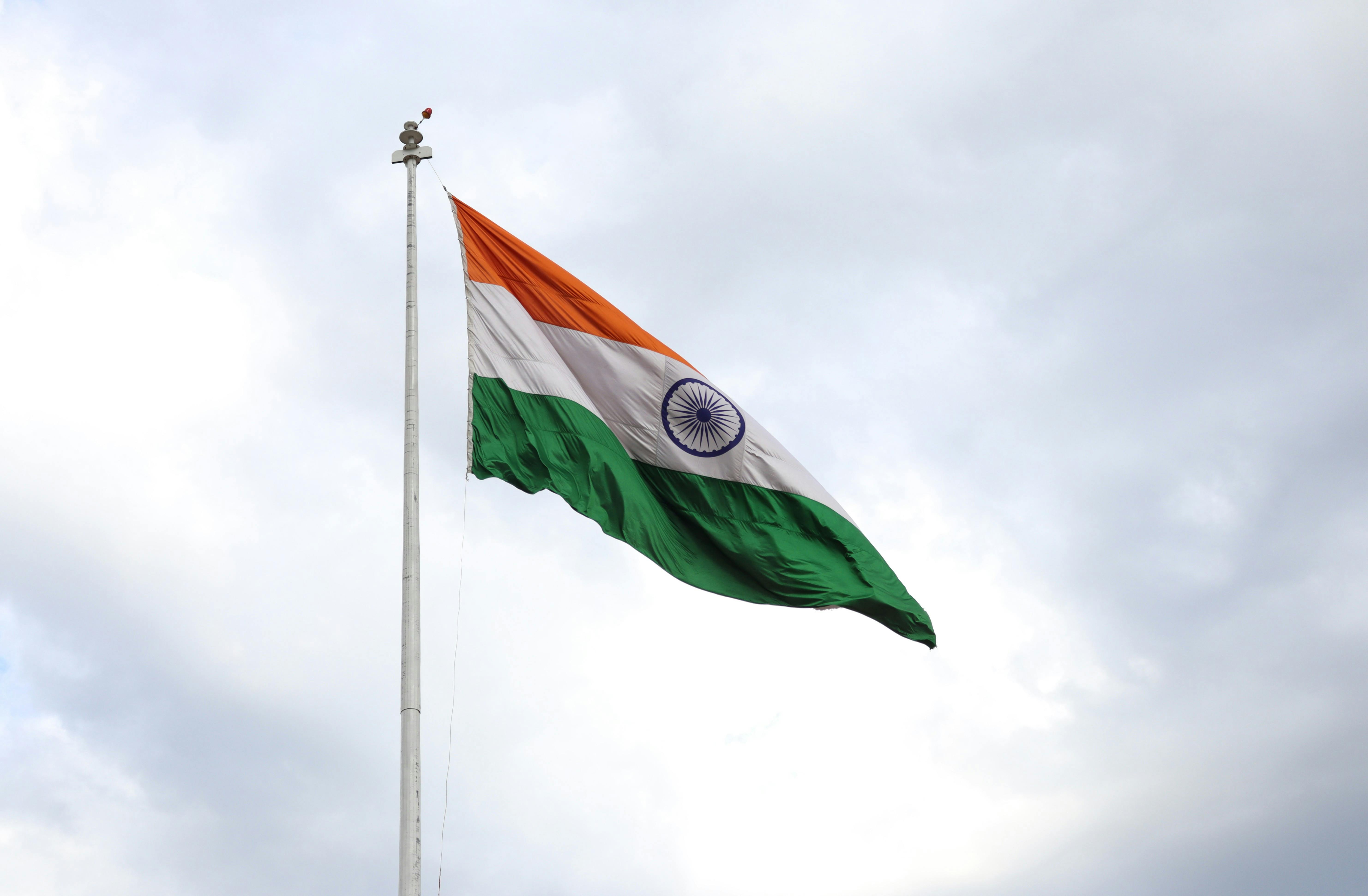
As the Middle East conflict enters its nineteenth day with no end in sight, a surprising diplomatic player has emerged as potentially the only credible interlocutor capable of bridging the chasm between Tehran and Washington: India.
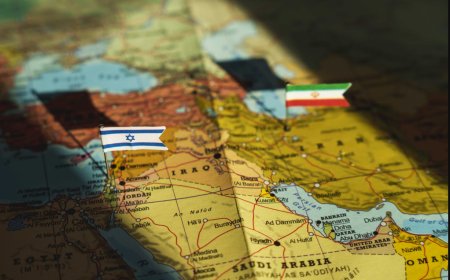
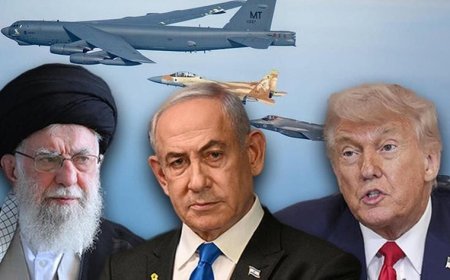
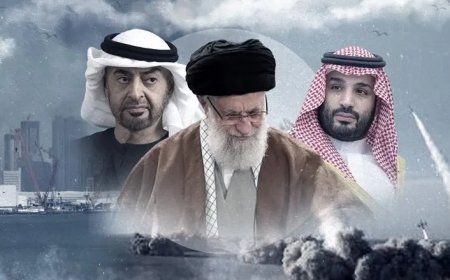
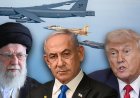
New Delhi's position in this conflict is unprecedented for a non-regional power. It upgraded its strategic partnership with Israel just 48 hours before the strikes began. It quietly signed the condolence book at the Iranian Embassy after Supreme Leader Ali Khamenei's assassination — a gesture that baffled Western hawks but kept India's door to Tehran open. It maintains a working relationship with the White House and deep civilizational ties with Iran going back millennia. It is Iran's partner in the Chabahar Port project .
This unique positioning reflects decades of careful strategic balancing. Unlike the United States, which has designated Iran an adversary, or European powers that have struggled to maintain diplomatic presence in Tehran, India has cultivated relationships across the region's sectarian and political divides. In Tehran's eyes, it is the only "safe" interlocutor left standing .
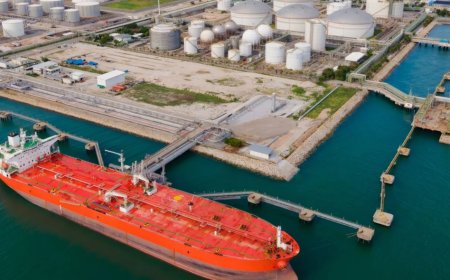
The stakes for India could not be higher. The country imports nearly 60% of its LPG from the Gulf through the now-blockaded Strait of Hormuz. Domestic refill prices have already jumped, and strategic oil reserves cover barely 9-10 days of consumption. The rupee is trading between 92-95 against the dollar. Every $10 rise in crude costs India 0.2% of GDP growth and 0.5% in added inflation . The country's much-celebrated 7% growth trajectory is under direct assault from a war it did not start.
India's proposed three-phase roadmap reflects pragmatic realism rather than idealistic peacemaking. The first phase — a "Hormuz Blue Zone" humanitarian corridor — offers something to everyone: Iran gets its mining halt request answered with neutral escorts rather than US warships; the US-Israeli coalition gets a 72-hour pause that allows it to claim responsiveness to humanitarian concerns without strategic concession; the world gets a pressure valve preventing economic freefall .
The second phase addresses the core deadlock through an IAEA-verified enrichment freeze paired with security guarantees and cessation of regime-change rhetoric. Neither side gets everything — Iran does not get sanctions relief or formal recognition, the US does not get full dismantlement — but both sides get enough to stop the dying .
The third phase recognizes a fundamental truth: stability cannot be declared, it must be constructed. A West Asia Stability Summit in New Delhi, followed by Gulf-funded reconstruction of Iranian civilian infrastructure with India as guarantor, offers Tehran a path to recovery while giving Gulf monarchies the security they desperately seek .
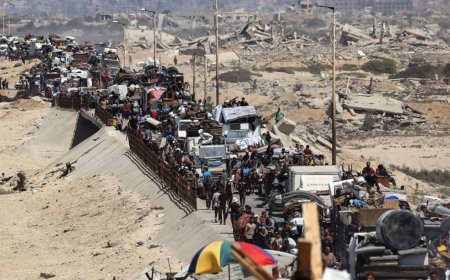
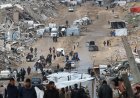
Skeptics will note that previous diplomatic initiatives have foundered on mutual distrust. The wounds from this conflict run deep — approximately 1,300 dead, including a head of state; Iranian cities in ruins; Gulf economies under direct attack; global markets in turmoil . Mojtaba Khamenei, inheriting both leadership and a vendetta, may calculate that survival requires continued defiance. Hardliners in Washington and Jerusalem may view any negotiation as reward for aggression.
Yet the alternative is unthinkable: a protracted war of attrition that could draw in additional players, trigger broader regional conflagration, and cement the very fragmentation that threatens global stability. The Strait of Hormuz cannot remain closed indefinitely without triggering global depression. Gulf cities cannot absorb endless drone strikes. Iranian civilians cannot rebuild their lives amid continued bombing.
Wednesday's UN General Assembly emergency session represents a critical juncture . The question is not whether resolutions condemning one side or another will pass — they likely will, with predictable voting patterns. The question is whether the parties can seize this moment to step back from the abyss. India has offered a ladder. The question now is whether anyone is willing to climb down.