Turkey’s Strategic Balancing Act Reflects Broader Regional Shifts
Turkey’s foreign policy reflects a balance between regional and global interests. Its strategy highlights shifting Middle East dynamics
 Sercan Roni
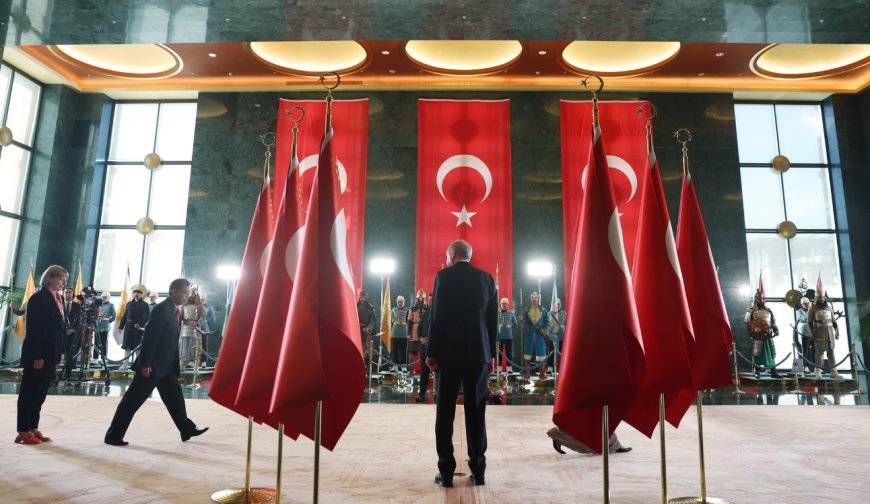
Turkey’s foreign policy in recent years has reflected a strategic balancing act that mirrors broader shifts in the Middle East. Positioned at the intersection of Europe, Asia, and the Middle East, Ankara has sought to navigate complex relationships with both regional neighbors and global powers.
One of the defining features of Turkey’s approach is its emphasis on strategic autonomy. While remaining a member of NATO, Turkey has pursued independent policies in areas such as defense, energy, and regional diplomacy. This has occasionally led to tensions with Western allies but has also provided Ankara with greater flexibility.
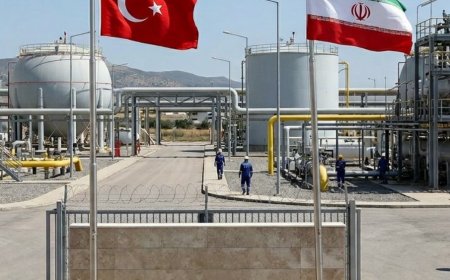
A key aspect of Turkey’s strategy involves engaging with multiple actors simultaneously. Relations with countries such as Russia, Iran, and Gulf states demonstrate a pragmatic approach aimed at maximizing national interests.
Analysts argue that this balancing act is not without risks. “Maintaining multiple partnerships requires careful calibration,” said a foreign policy expert. “Any misstep can have significant repercussions.”
Economic considerations also play a role in shaping foreign policy decisions. Trade, energy security, and investment are closely linked to diplomatic relations, reinforcing the need for a stable external environment.
Turkey’s approach reflects a broader trend in the region, where countries are increasingly prioritizing flexibility over rigid alliances. This shift is driven by the recognition that traditional geopolitical frameworks are evolving.
As regional dynamics continue to change, Turkey’s ability to maintain its strategic balance will be a key factor in determining its influence and role in the Middle East.