Why Hezbollah Chose to Enter the War — And What It Reveals About the Axis of Resistance
Hezbollah entered the war against Israel despite years of devastating losses. The decision reveals deep tensions within Iran's Axis of Resistance model and raises questions about its future credibility.
 Sercan Roni

When Hezbollah launched its first missile barrage toward Tel Aviv on March 2, two days after the United States and Israel struck Iran, many analysts were surprised by the timing. The group had spent two years absorbing devastating Israeli strikes — targeted assassinations of commanders, attacks on financial networks, destruction of logistics infrastructure — that had measurably weakened its operational capacity. Why, then, did it choose this moment to escalate?
The answer lies not in military strength, but in political obligation.
According to Nasser Khdour, Middle East Assistant Research Manager at ACLED, pressure rather than strength has driven Hezbollah's decision to attack Israel. The assassination of Ali Khamenei — the most important religious figure for Shiites in Lebanon — created an obligation Hezbollah could not ignore. For decades, the group has been the crown jewel of Iran's Axis of Resistance. When Tehran is directly challenged at an existential level, Hezbollah is expected to act, regardless of its own military readiness.
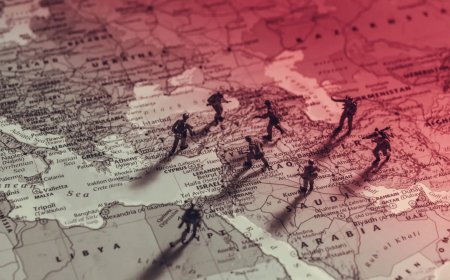
This dynamic exposes a fundamental tension within the Axis of Resistance model. Iran has long cultivated a network of proxy forces — Hezbollah, Houthi fighters in Yemen, militia groups in Iraq and Syria — as a form of strategic deterrence. The theory was that any attack on Iran would trigger a multi-front response that no adversary could absorb. The US-Israeli campaign on February 28 called that bluff directly.
The results so far have been significant but not decisive. Iran has fired an estimated 700 missiles and 3,600 drones at US and Israeli targets. Hezbollah has launched attacks from southern Lebanon. Houthi forces have continued operations in the Red Sea. Yet none of these actions have halted the US-Israeli air campaign, which has now struck targets in 26 of Iran's 31 provinces.
The deeper question is whether the Axis of Resistance model can survive this conflict intact. Hezbollah has entered the war weakened, and its losses are mounting. If the conflict ends without a decisive Iranian victory — or even a negotiated settlement — the credibility of the entire framework Iran has spent decades building will be fundamentally damaged.
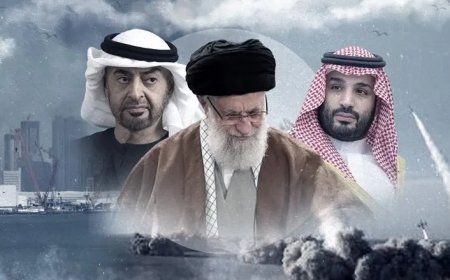
For the Middle East's broader political landscape, the implications extend far beyond this conflict. Saudi Arabia, the UAE and other Gulf states, which have long relied on a careful balancing act between Washington and Tehran, now face a fundamentally altered regional order. How they navigate the aftermath will shape the region's politics for a generation.