Oil prices surge as Middle East war hits supply routes
Brent crude jumps above 110 dollars per barrel as shipping in the Gulf and Red Sea faces fresh disruptions amid the Iran‑Israel war. Traders fear a prolonged regional crisis could strain global energy markets
 Sercan Roni

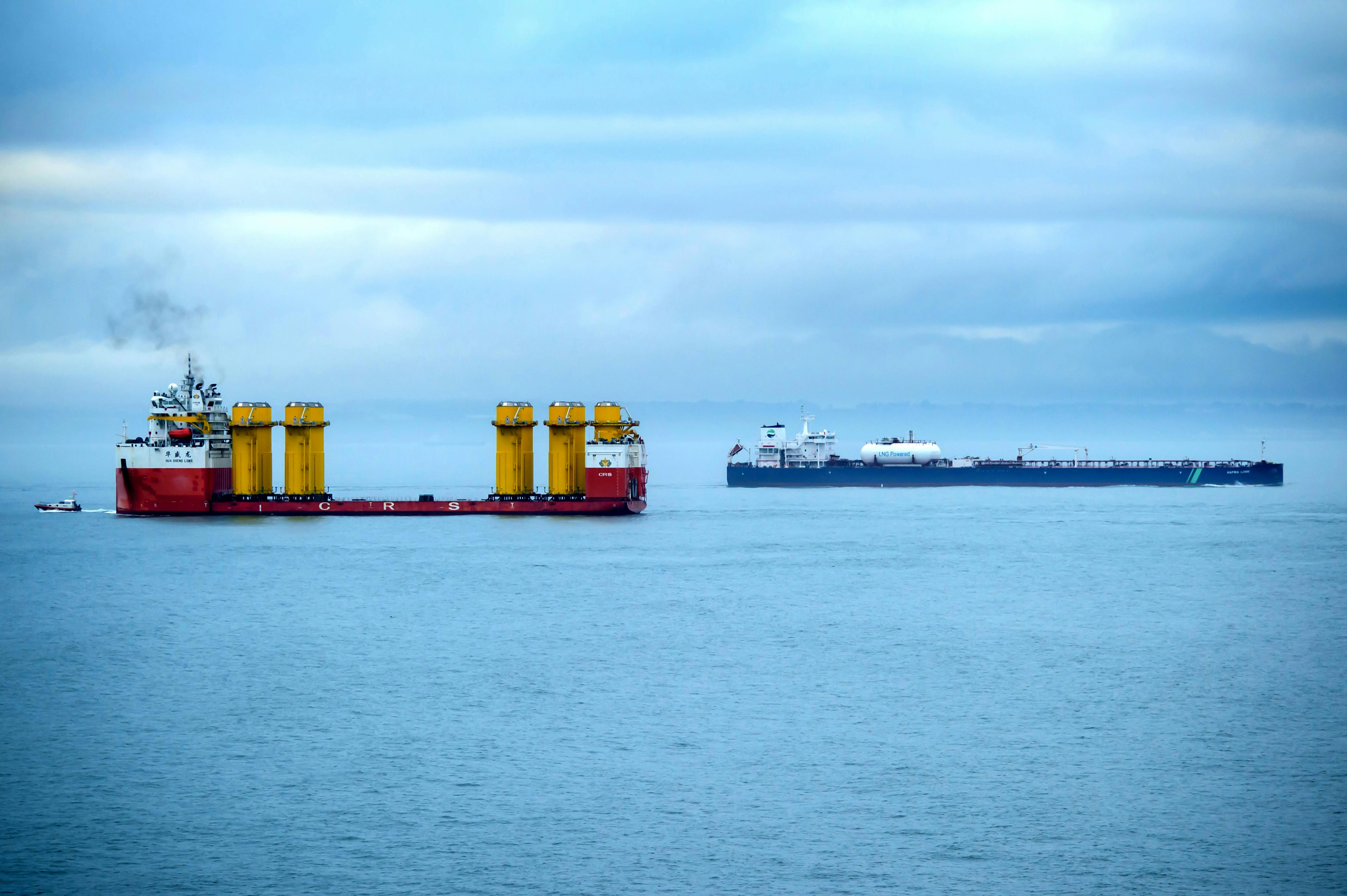
Global oil prices have surged dramatically as the ongoing war between Iran and Israel rattles key shipping lanes and energy infrastructure in the Gulf and Red Sea. Brent crude traded above 110 dollars per barrel on Friday, its highest level since the early phase of the 2022 energy crisis, as fear mounts over potential disruptions to crude exports from Iran and other regional producers. Maritime insurers have hiked premiums for vessels transiting the Strait of Hormuz and the Bab al‑Mandab, while some shipping companies have rerouted or delayed cargo to avoid the area altogether.
Industry analysts tell MiddleEast.net that the underlying risk is not only to physical flows but also to investor confidence. “We are already seeing a reassessment of risk premiums for Middle East oil,” said a senior energy analyst at a major commodity‑trading firm. “If the conflict drags on, we could see sustained pressure on global supply, especially in the summer months when demand typically rises.” The latest spike comes amid reports of Iranian drone and missile activity near Gulf ports and a series of attacks on regional infrastructure over the past month.
Regional energy ministries have sought to reassure markets. Gulf states have pledged to maintain export flows and to coordinate on protecting maritime routes, while some have quietly tapped into emergency reserves to smooth out short‑term volatility. Nonetheless, the broader economic impact is already visible: fuel costs are rising for consumers in the Middle East and beyond, and central banks are bracing for higher inflation. For poorer import‑dependent economies, the combination of higher oil prices and uncertainty over food‑shipping routes could deepen existing fiscal and social strains.