Iran’s Economic Collapse Triggers Surge in Cross-Border Smuggling and Human Trafficking Crisis
Sanctions and war-related inflation in Iran have fueled a massive spike in illicit trade across borders. From fuel smuggling on the Pakistan frontier to narcotics and prostitution rings in Turkey, regional instability is reaching a breaking point.
 Sercan Roni
0
64
The deepening economic crisis in Iran, exacerbated by regional conflicts and long-standing international sanctions, has triggered an unprecedented surge in cross-border smuggling and organized crime. As the national currency devalues and unemployment rates soar, thousands of Iranian citizens have turned to high-risk illicit trade to survive. Reports from the country’s frontiers indicate that the lines between survival-based smuggling and large-scale criminal enterprise have blurred, creating a volatile security environment for neighboring Pakistan and Turkey.
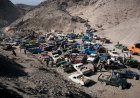
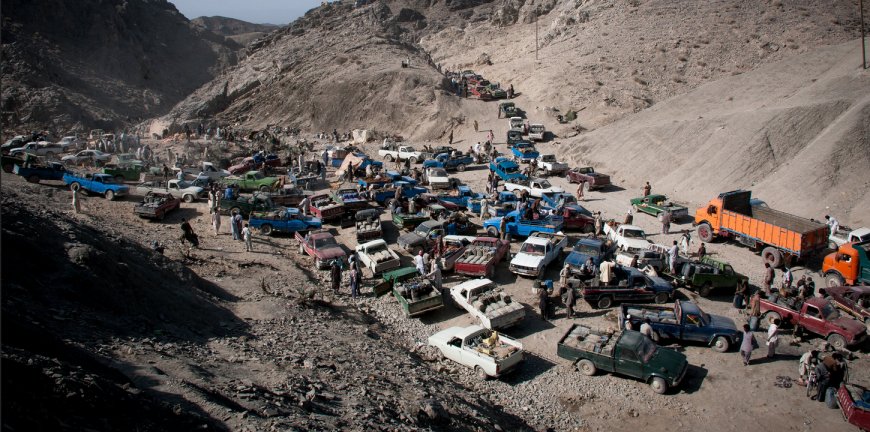
On the southeastern border with Pakistan, recent footage reveals miles-long convoys of vehicles and individuals waiting to transport fuel. In the Sistan and Baluchestan province, one of Iran's most impoverished regions, fuel smuggling has become the primary source of income for thousands of jobless residents. These individuals, often referred to as "fuel-carriers," risk their lives to transport subsidized Iranian petroleum products across the border to sell at higher prices in Pakistan. Analysts point out that the sheer scale of these queues reflects a desperate domestic economy where traditional labor markets have completely collapsed under the weight of hyperinflation.
The crisis is not limited to energy products; the western border with Turkey has seen a sharp increase in more predatory forms of crime. Security experts and local NGOs report a significant rise in narcotics trafficking and the expansion of prostitution rings. As economic desperation grows, vulnerable populations are increasingly being targeted by organized crime syndicates. There are mounting concerns that these networks are exploiting the porous nature of the border to traffic both illicit substances and human beings, leading to a breakdown in local social structures. The influx of cheap narcotics and the rise in exploitation are placing an immense strain on Turkish border security and provincial law enforcement. This regional domino effect suggests that Iran's internal economic struggles are no longer a domestic issue but a growing humanitarian and security threat to the Middle East.