Cross-Border Human Trafficking Ring in SE Turkey Exposed: Military Personnel and Local Elite Implicated
A decade-long investigation in Şırnak reveals a systemic trafficking network involving Turkish military officials and the powerful Tatar family. The ring allegedly trafficked minors from Rojava for sexual exploitation, utilizing official impunity.
 Sercan Roni
0
73
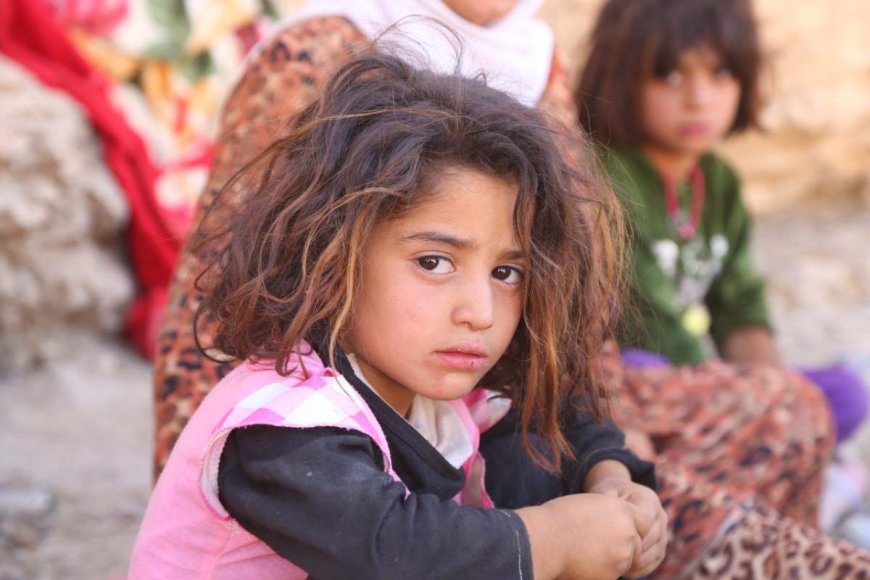
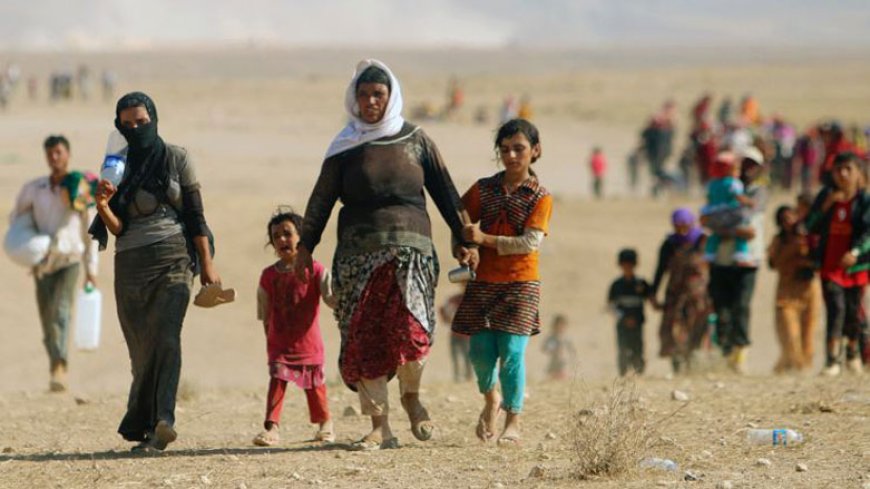
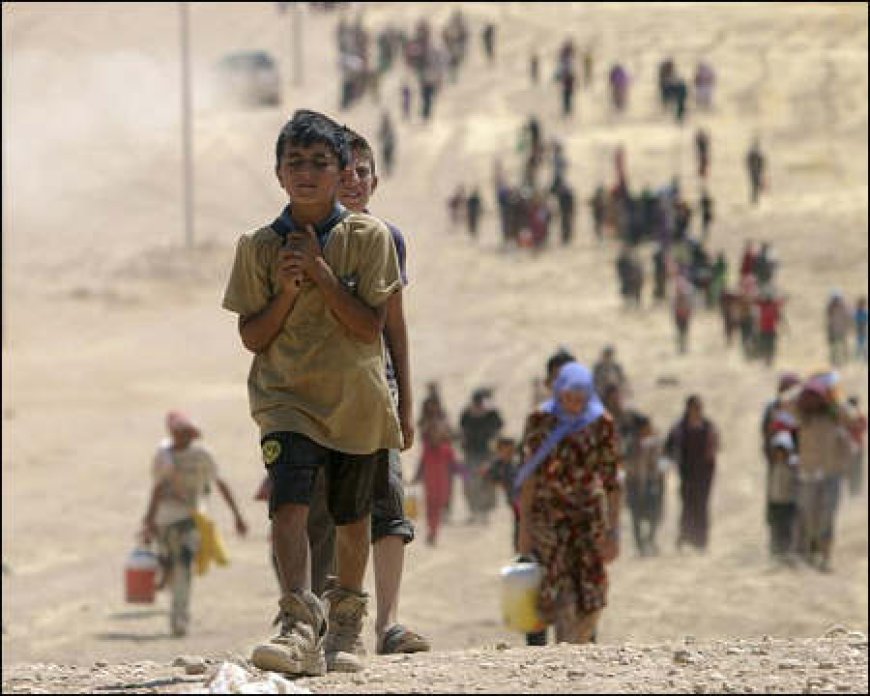
A major human trafficking and sexual exploitation network has been unveiled in Turkey’s southeastern province of Şırnak, a region strategically located near the borders of Iraq and Syria. Following an investigation that spanned over eleven years, a newly accepted indictment by the Şırnak 3rd High Criminal Court provides a detailed account of how military personnel and a locally influential family allegedly collaborated to exploit vulnerable populations. The case has gained international attention due to allegations that the ring specifically targeted displaced minors from Rojava, the Kurdish-led autonomous region in Northern Syria, transporting them across the border into Turkey for forced prostitution and systematic abuse.
The legal documents point toward allegations of institutional infiltration. According to the indictment, several specialized military personnel are accused of facilitating the logistics of the network. It is alleged that security clearances and official positions were exploited to bypass checkpoints and manage the financial transactions of the criminal enterprise. The investigation indicates that vulnerable individuals, including minors from conflict-affected areas in Rojava, were illegally transported into Şırnak and subjected to systematic exploitation. Journalists documenting these events, including Zeynep Durgut, have reportedly faced significant security risks and threats, underscoring the complexities and dangers surrounding the coverage of this case.
Central to the regional context is the influence of local power structures. The indictment identifies members of the Tatar family as key figures in the alleged criminal organization. Reports from human rights observers suggest that the significant local influence of such entities can create challenges for judicial transparency and oversight. By allegedly maintaining connections within local administrative frameworks, the network is said to have operated over an extended period. International human rights organizations are monitoring the proceedings, as the case raises critical issues regarding border security, the protection of displaced persons, and the accountability of regional actors in conflict-adjacent zones.
The draft can be further refined by focusing on the following elements:
- Strengthening the geopolitical context of the Şırnak-Rojava border corridor.
- Incorporating broader perspectives from international human rights reports on regional trafficking trends.
- Enhancing the section on the legal implications for cross-border security cooperation.