The New Middle East Map: Why ‘Managed Instability’ Has Become the Administration’s Long-Term Goal
An analysis of how the US blockade and "Yellow Lines" in Lebanon and Gaza are creating a permanent state of friction rather than a path to peace.
 Sercan Roni
0
79
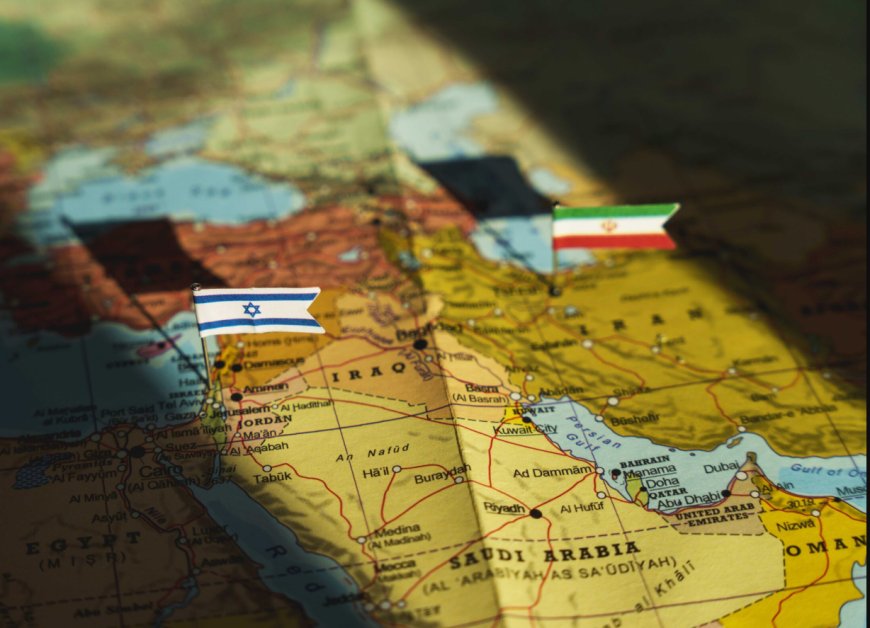
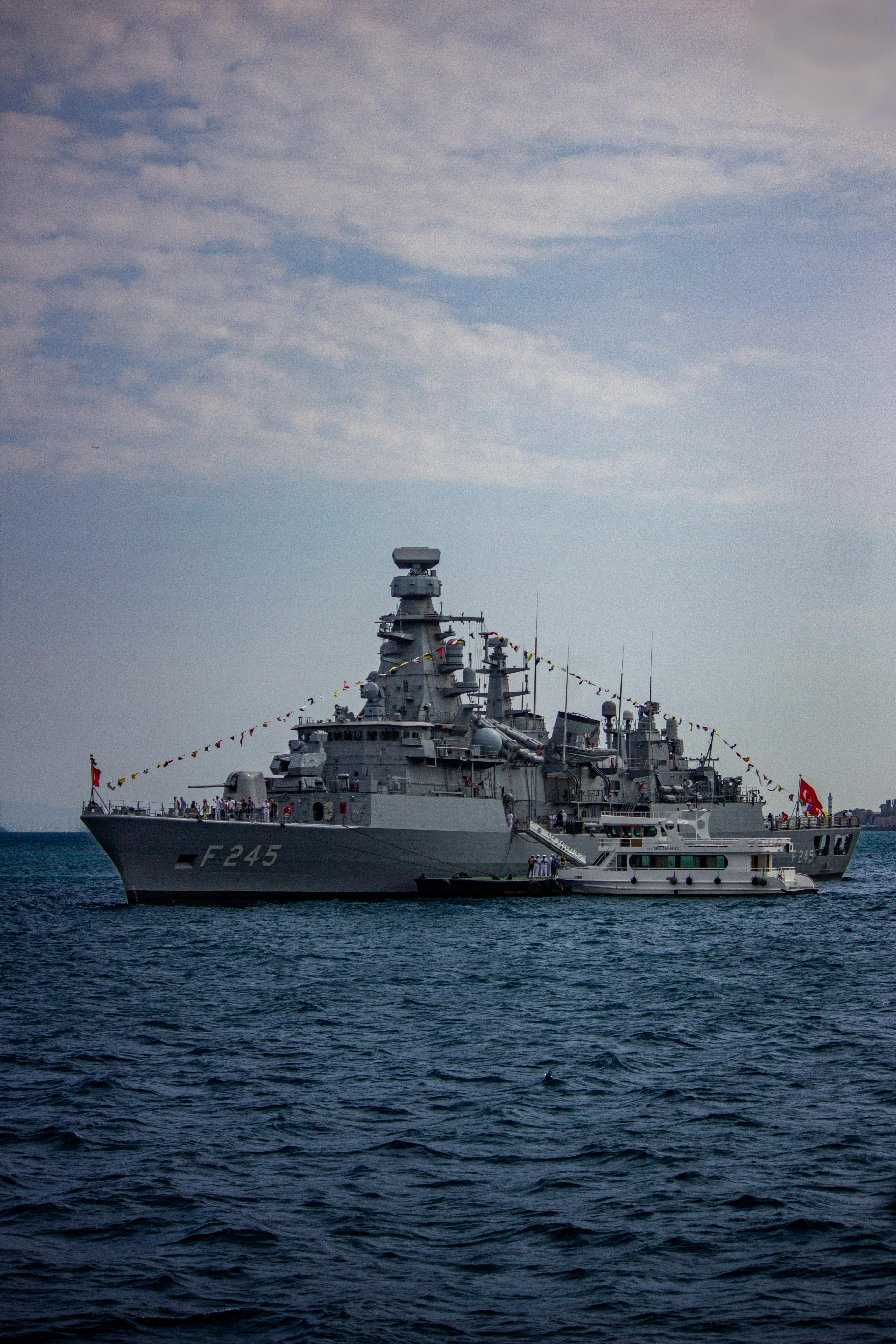
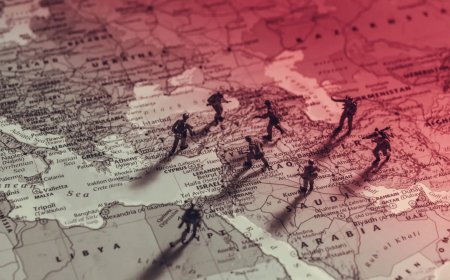
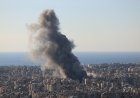
As the conflict in the Middle East enters its 60th day, a sobering pattern is emerging that suggests the goal of regional actors is no longer a traditional "peace," but rather a state of "managed instability." From the US naval blockade of Iranian ports to the establishment of Israeli-controlled "Yellow Lines" in southern Lebanon and Gaza, the region is being partitioned into permanent friction zones. This strategy, while perhaps effective at containing a total regional collapse in the short term, risks creating a generation of "unlivable environments" that will haunt global security for decades.
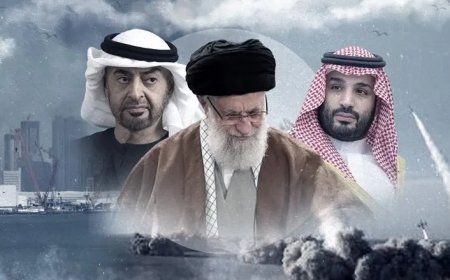
The current administration’s approach to Iran—relying on a "long-haul" naval blockade to compel a nuclear deal—reflects a shift from coercion to a war of attrition. By turning back dozens of ships and choking off billions in revenue, the US is betting that the Islamic Republic will "collapse from within." However, as history has shown with previous sanctions regimes, such pressure often results in a more radicalized leadership and a population focused on survival rather than reform. The resumption of Tehran-Moscow flights and the UAE's exit from OPEC further indicate that the war is not isolating Iran as intended, but is instead forcing the creation of new, more resilient anti-Western supply chains.
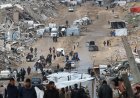
On the ground in Lebanon and Gaza, the situation is even more entrenched. The "Yellow Line" policy—whereby Israel maintains military control over significant swathes of territory to create buffer zones—has effectively turned these areas into semi-permanent occupied territories. In Gaza, the "Board of Peace" framework and its technocratic administration have been sidelined by continued strikes on police forces and civilian infrastructure. Instead of reconstruction, we see "fact-making on the ground," where demolitions and displacement serve a strategic goal of demographic shifting.
The most dangerous aspect of this "managed instability" is the erosion of international norms. When a blockade is described by legal experts as an "act of war" yet continues under the guise of a ceasefire, the very language of diplomacy is degraded. The region's leaders seem to have calculated that they can endure a "sovereignty-minus" reality—where states exist in name but have no control over their borders or resources—so long as they can claim tactical victories over their rivals. Until the fundamental issues of occupation and nuclear proliferation are addressed with more than just military "pressure cards," the Middle East will remain a laboratory for a new, and deeply unstable, world order.