Israeli Opposition Leaders Bennett and Lapid Unite Parties to Challenge Netanyahu Ahead of October Polls
Naftali Bennett and Yair Lapid form a new political alliance to unseat Prime Minister Netanyahu as frustration over the war's duration and cost grows.
 Sercan Roni
0
56
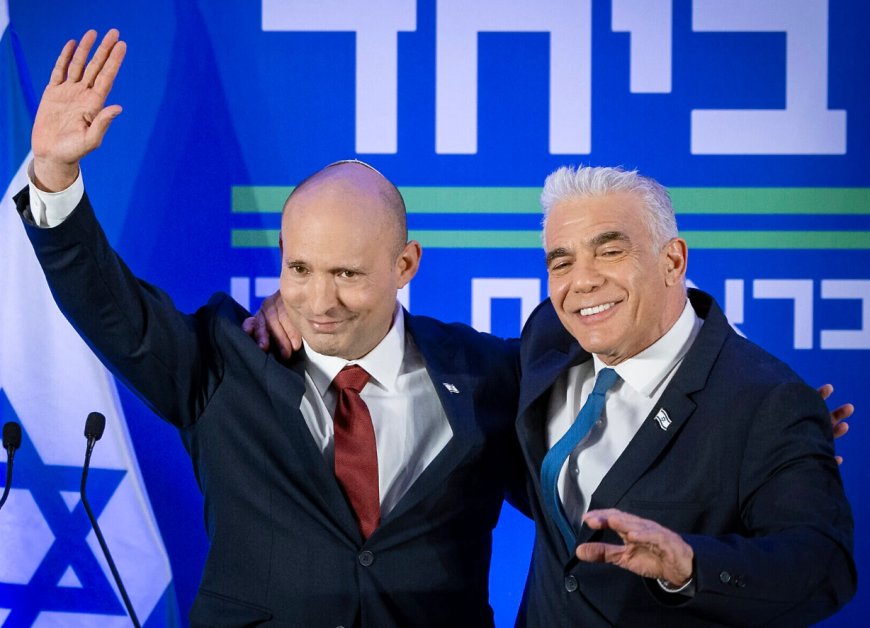
In a dramatic realignment of the Israeli political landscape, former Prime Ministers Naftali Bennett and Yair Lapid announced today that they will merge their respective parties into a single opposition bloc to challenge Benjamin Netanyahu in the upcoming October elections. The move comes as Netanyahu faces intensifying domestic pressure over his management of the multi-front war in Iran, Lebanon, and Gaza. Recent polling suggests that while the Israeli public initially rallied around the government at the start of the conflict in February, frustration is mounting over the rising number of military casualties and the lack of a clear exit strategy.
The new alliance, which will be led by Bennett, aims to present a "security-first" alternative to the current Likud-led coalition. Bennett, a former leader in the settler movement, has positioned himself as more hawkish on security than Lapid while maintaining a critical stance toward Netanyahu’s "prolonged and unfocused" campaign. Analysts note that the alliance effectively leaves little "daylight" between the major political blocs on issues such as the ongoing occupation of southern Lebanon and settlement expansion in the West Bank, but focuses its critique on Netanyahu’s personal leadership and alleged "complicity" in the security failures that preceded the current crisis.
The political shift coincides with reports of growing dissent within the Israeli military. The mayor of Kiryat Shmona, Avichai Stern, today accused the government of "selling out the north's security" by agreeing to a fragile and frequently violated ceasefire with Hezbollah that has failed to stop drone attacks. In Lebanon, the IDF continues to operate in a 10-kilometer "yellow zone," destroying what it calls "Gaza-style" tunnel networks. Netanyahu responded to the political challenge in a video message today, insisting that "more is yet to come" and that the military is successfully "dismantling the terror infrastructure" of its adversaries.
The Bennett-Lapid merger is expected to consolidate the anti-Netanyahu vote, but it also faces significant hurdles. Bennett has already ruled out including Arab parties in any future coalition, a decision that could limit the bloc’s ability to secure a clear majority in the Knesset. As the war enters its third month and the official death toll for Israeli soldiers in southern Lebanon reaches 16, the political battle for the "day after" the conflict has begun in earnest, with the October elections likely to serve as a referendum on