Iranian Foreign Minister Arrives in Moscow After Stalled Pakistan Talks; Putin Warns Against Escalation
Abbas Araghchi meets with Vladimir Putin in St. Petersburg to coordinate a "united front" as US-Iran peace negotiations in Islamabad face collapse.
 Sercan Roni
0
55
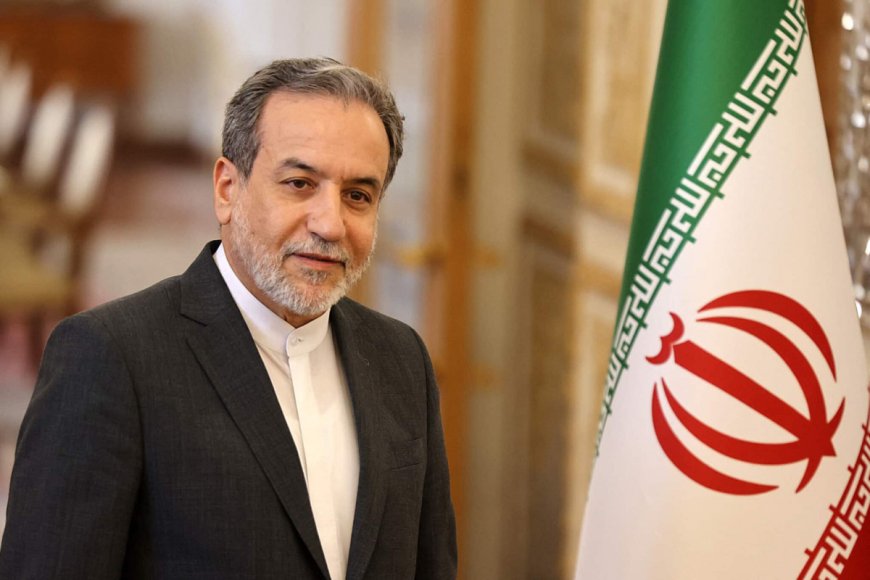
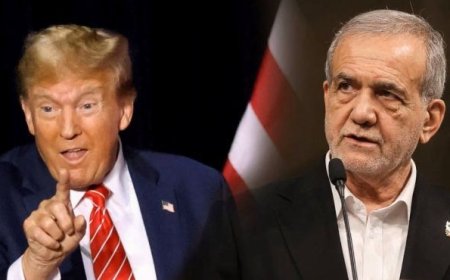
Iranian Foreign Minister Abbas Araghchi landed in St. Petersburg today for high-level consultations with Russian President Vladimir Putin, marking a pivot in Tehran’s diplomatic strategy following the collapse of face-to-face negotiations with the United States in Pakistan. The visit underscores Moscow’s role as Iran’s primary international backer and a critical mediator as the regional conflict enters a more dangerous phase. Araghchi’s arrival in Russia followed a whirlwind tour of Oman and Pakistan, where hopes for a second round of talks with US Vice President JD Vance evaporated over the weekend.
During their meeting, President Putin reportedly warned his US counterpart against resuming direct airstrikes on Iranian territory, citing "inevitable and extremely damaging consequences" for global stability. The Kremlin confirmed that Putin has offered to serve as a custodian for Iran’s enriched uranium as part of a potential nuclear compromise—a proposal President Trump has so far declined, insisting instead on a "20-year moratorium" on all enrichment activities. Araghchi told state media that Tehran is currently revising its peace proposal but remains skeptical of Washington’s commitment to "true diplomacy" while a naval blockade remains in place.
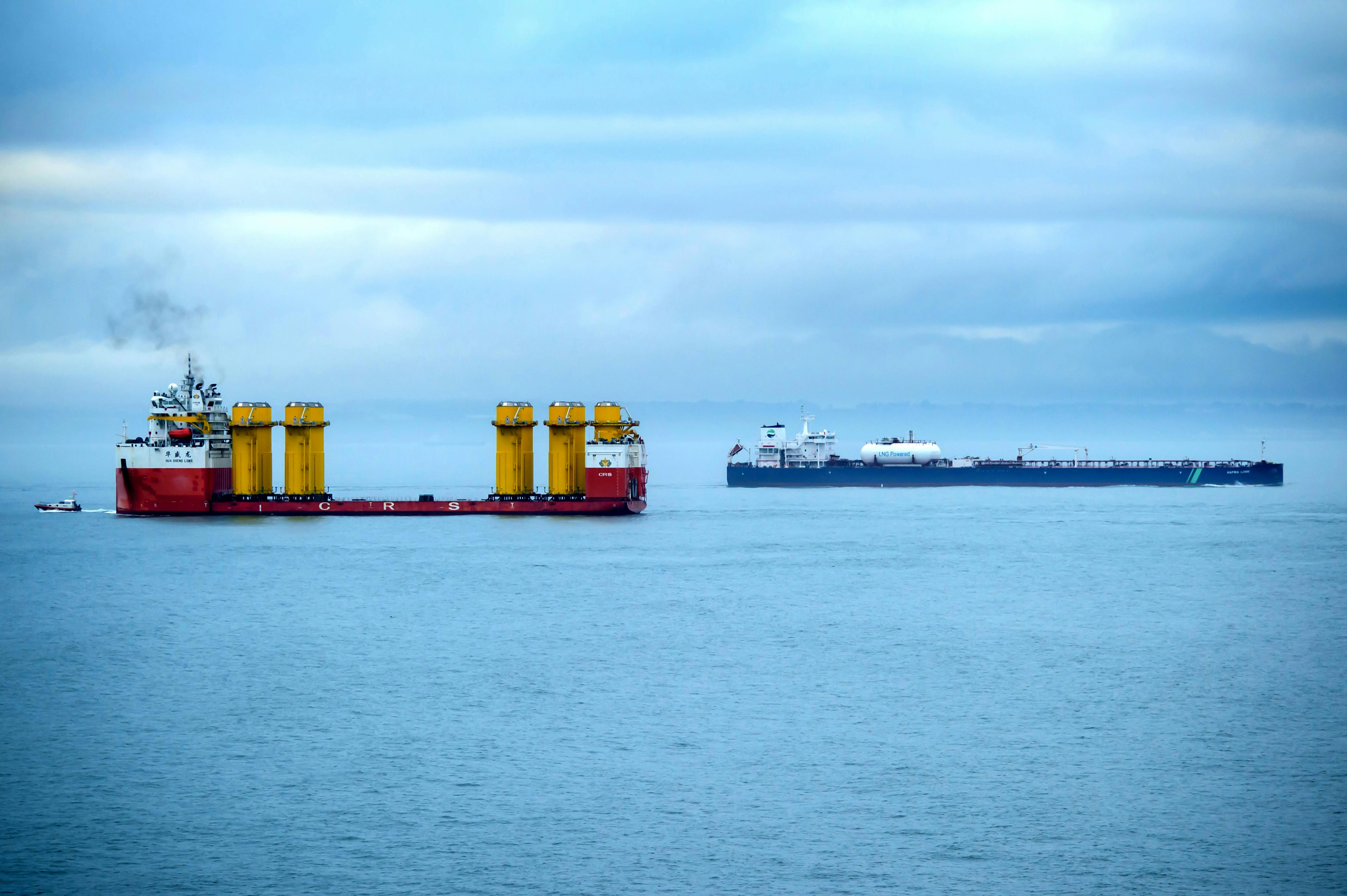
The diplomatic deadlock centers on the sequence of de-escalation. Iran has demanded an immediate lifting of the US naval blockade—which the Pentagon claims has already turned back 42 ships and cost Tehran $6 billion in revenue—before discussing its nuclear program. Conversely, the Trump administration has adopted a "No More Mr. Nice Guy" posture, with the President stating on social media that Iran must "get smart soon" or face an extended blockade "lasting months if needed."
The humanitarian dimension of the stalemate was also a key theme in today's discussions. The United Nations reported that Iran has executed 21 people and arrested over 4,000 since the war began, many in connection with domestic unrest sparked by the conflict's economic toll. As Araghchi and Putin seek to coordinate a "united front against unilateralism," the resumption of direct flights between Tehran and Moscow today provided a rare sign of normalized ties between the two allies, even as the rest of the region remains largely paralyzed by the maritime standoff.