UAE Formalizes Departure from OPEC as Iran War Reshapes Global Energy Alliances and Pricing
The United Arab Emirates officially exits the oil cartel, citing the need for "sovereign agility" amid record-high oil prices and the Hormuz closure.
 Sercan Roni
0
59
In a move that has sent shockwaves through the global energy sector, the United Arab Emirates officially concluded its withdrawal from the Organization of the Petroleum Exporting Countries (OPEC) today. The departure of the cartel’s second-largest producer marks a historic rupture in Gulf energy cooperation and signals a fundamental shift in how Abu Dhabi intends to navigate the economic fallout of the ongoing Middle East conflict. UAE Energy Minister Suhail Al Mazrouei defended the decision, describing it as a "sovereign national choice" aimed at ensuring the country remains "agile and nimble" in a rapidly changing market.
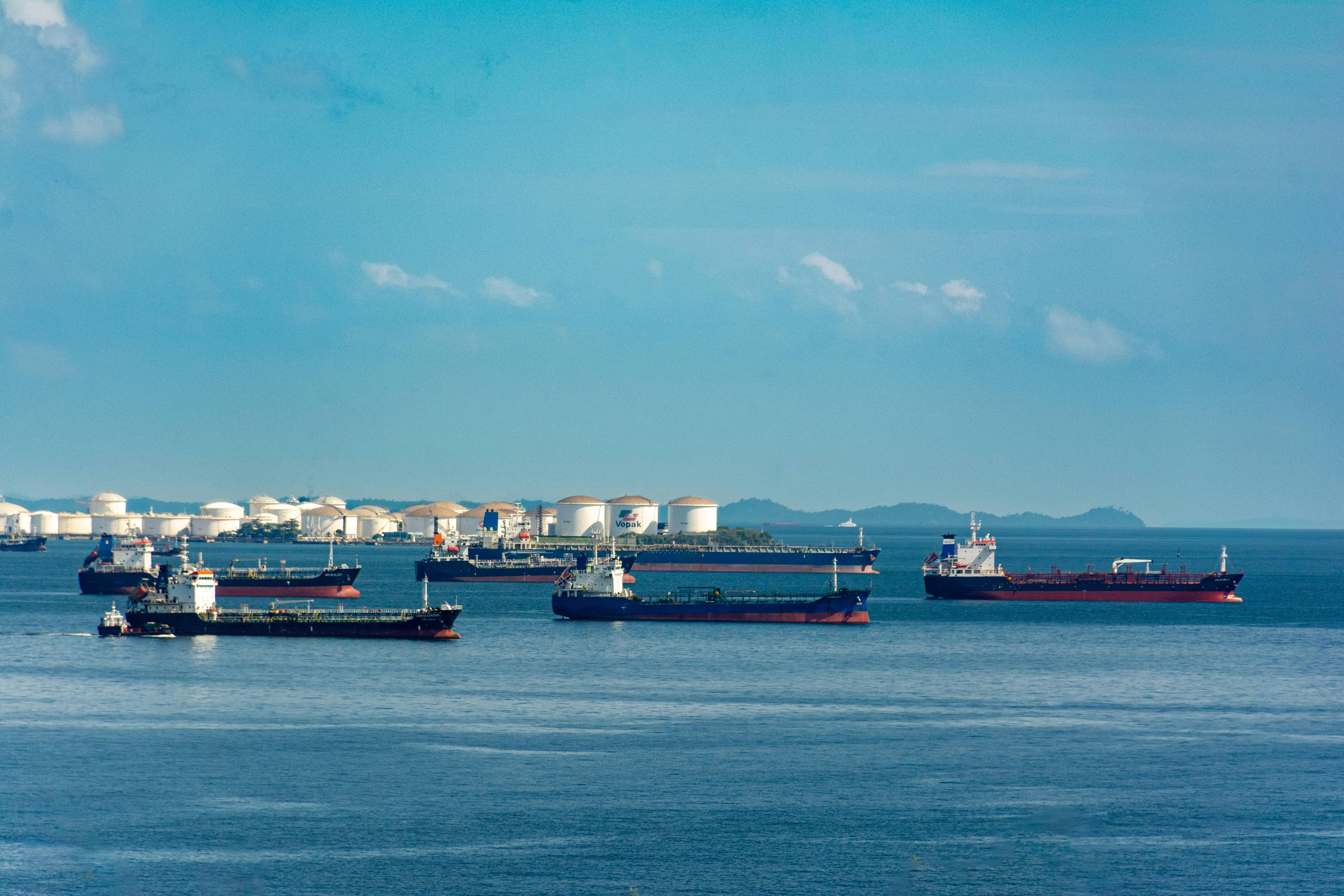
The timing of the exit is particularly significant, as the de facto closure of the Strait of Hormuz by Iranian forces continues to severely restrict maritime oil exports. Al Mazrouei noted that because the strait is currently blocked, the immediate market impact of the UAE’s departure—which would typically lead to increased production—will be naturally limited. However, long-term projections suggest the UAE could eventually add over 1 million barrels per day to the global market once shipping lanes reopen, a prospect that analysts say could deal a "fatal blow" to OPEC’s ability to artificially inflate prices.
Tensions between the UAE and Saudi Arabia have been simmering for years over production quotas, but the Iran war has accelerated the rift. While Riyadh has sought to maintain collective discipline within OPEC+, Abu Dhabi has increasingly prioritized its own "Vision 2030" diversification goals, which require massive capital investment and higher oil revenues. The exit also aligns the UAE more closely with Washington; President Trump, who has frequently criticized OPEC as a "rip-off," welcomed the move today, suggesting it would eventually help "get the price of gas down."
The economic consequences of the war are being felt far beyond the Gulf. In Pakistan, Prime Minister Shehbaz Sharif reported today that the country’s weekly oil import bill has surged from $300 million to $800 million. Global Brent crude futures remain volatile, hovering near $119 a barrel as investors weigh the loss of OPEC's stabilizing influence against the persistent risk of further infrastructure damage. Meanwhile, the UAE continues to position itself as a "shock-resilient" hub, having recently been selected to host the 2029 World Bank and IMF annual meetings.