UN warns airspace closures choke aid trade across West Asia
UNOPS reports disruptions to regional transport corridors threaten humanitarian operations and risk driving up food prices.
 Sercan Roni
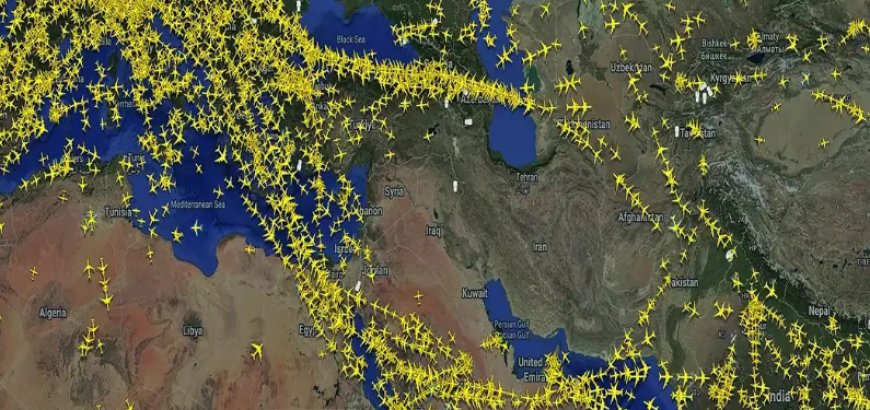
The United Nations Office for Project Services (UNOPS) issued a stark warning on Wednesday that disruptions to airspace and transport corridors across West Asia are already affecting humanitarian operations and trade supply chains, threatening to drive up food prices and increase pressure on fragile health systems.\n\nAddressing the annual meeting of the UNOPS Client Council in Washington, Executive Director Jorge Moreira da Silva stated that the office is focused on scaling up and accelerating practical solutions to address the growing crisis. He noted that UNOPS teams remain on the ground, providing services in rebuilding and restoring civilian infrastructure, restoring essential services, and supporting communities affected by the conflict.\n\nDa Silva highlighted that UNOPS teams continue to provide and distribute fuel for humanitarian purposes and manage the UN mechanism established by the Security Council to expedite and monitor the delivery of humanitarian supplies. The office is also supporting humanitarian access and conducting mine clearance operations in affected areas.\n\nThe disruptions come as the closure of the Strait of Hormuz continues to have a significant impact on global oil prices, with crude hovering near the $100 per barrel mark. The International Energy Agency has reported a 246 million barrel drawdown in global oil inventories in March and April, and expects global oil supply to fall short of total demand this year.\n\nHumanitarian organizations operating in the region have reported difficulties in moving staff and supplies across borders as several countries have restricted airspace or imposed additional security clearance requirements. The UN warned that without immediate measures to ensure the continued flow of humanitarian assistance, the most vulnerable populations across the region face increased risks of food insecurity and lack of access to essential medical care.