The Idlib Fracture: Why Syria's Forced Integration of Foreign Jihadists Is Triggering Internal Involutions
Security sweeps against Uzbek militants in Idlib expose the volatile limits of the Syrian transitional government's effort to integrate transnational proxy networks into formal state forces.
 Sercan Roni
0
56
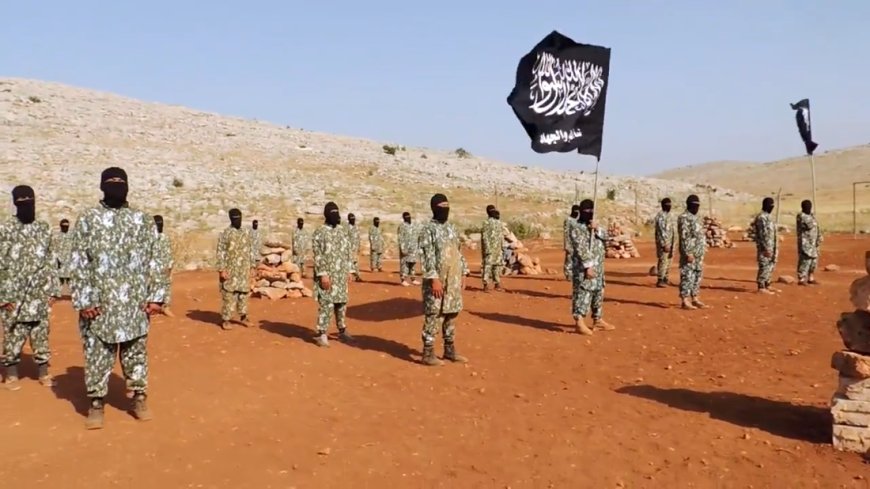
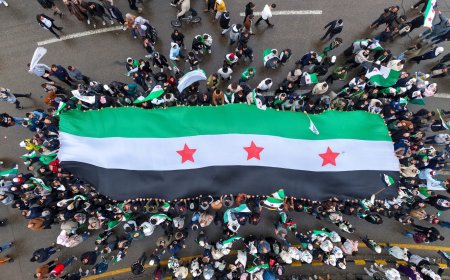
The armed standoffs and subsequent security sweeps rippling through the strategic enclaves of Idlib and rural towns like al-Fu'ah and Kafraya underscore a predictable but highly volatile shift in the Syrian post-transition landscape. Tensions boiled over following attempts by the newly established Syrian security forces to detain an Uzbek militant accused of triggering a firearms incident in Idlib city. Rather than submitting to local authorities, dozens of heavily armed Uzbek fighters blockaded a government intelligence facility, demanding the suspect's immediate release. This localized friction quickly escalated into widespread deployments, operational roadblocks, and targeted nighttime raids by the transitional government’s security apparatus. It exposes the profound structural friction points of a state-building strategy reliant on the formal assimilation of foreign mercenary factions.
For over a decade, Central Asian combat units such as Katibat al-Tawhid wal-Jihad and Katibat Imam al-Bukhari operated as highly effective, ideological shock troops for Hay'at Tahrir al-Sham (HTS) during the civil war. Following the collapse of the Ba'athist regime, the political leadership under Ahmet Ali al-Shara opted to institutionalize these transnational assets rather than face the destabilizing alternative of roaming, unmanaged militias. By offering foreign legions official state integration—and in some cases, ranking military commissions—the transitional government sought to enforce an unyielding domestic hierarchy. This policy was designed to pacify the fighters and mollify international stakeholders, including the United States, who demand that Syria keep its borders clean of rogue jihadist elements.
However, reports from monitoring entities like the International Crisis Group demonstrate that the current model of forced integration is structurally unsustainable. Thousands of Uzbek fighters, along with their families, have long resided in autonomous clusters in northwestern Syria. While some have accepted military salaries and state assignments to remote, mountainous coastal frontiers to minimize interaction with the broader Syrian populace, a core contingent views any form of central civilian oversight as an intolerable compromise of their operational autonomy. The refusal of these highly insular networks to yield to municipal police forces highlights the fragility of Al-Shara’s nationalist re-branding project.
Furthermore, these foreign factions are increasingly caught in the crosshairs of internal power struggles dividing Syria's transitional ministries. As various native Syrian ex-rebel factions vie for resource allocation, territorial command, and administrative appointments, non-state foreign networks are being utilized as proxy bargaining chips. Observers warn that if the Damascus administration fails to implement nuanced, civilian-led demobilization paths alongside its current hardline security sweeps, these heavily armed, battle-tested foreign brigades will inevitably mutate into persistent insurgent cells. This dynamic risks plunging northwestern Syria back into a dangerous loop of factional infighting and cross-border security threats.