Egypt increases border security operations in Sinai
Regional officials respond to developments involving egypt increases border security operations in sinai.
 Sercan Roni
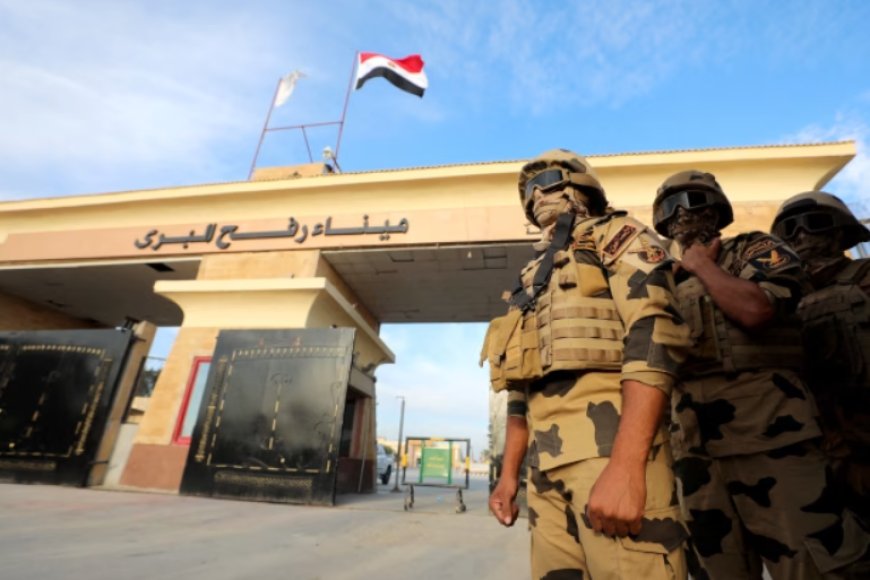
Regional officials and international diplomats spent the week discussing developments surrounding egypt increases border security operations in sinai, highlighting the continued volatility shaping political and economic decision-making across the Middle East.\n\nOfficials familiar with the discussions said governments across the region are attempting to balance domestic pressure, security concerns and economic priorities while avoiding broader instability. Several capitals have intensified diplomatic outreach in recent weeks.\n\nAccording to regional observers, the latest developments linked to egypt increases border security operations in sinai reflect deeper structural tensions that have persisted for months. Analysts say the issue has become increasingly connected to wider questions involving trade routes, military coordination, energy policy and international alliances. "Regional actors understand that the costs of escalation are growing," said Karim Haddad, a Beirut-based political analyst. "There is still space for diplomacy, but confidence between competing sides remains extremely limited." Officials in Washington, Brussels and Gulf capitals have continued back-channel consultations designed to reduce tensions and maintain communication channels between rival governments. "The region is entering a period where economic stability and security calculations are closely tied together," said Lina Al-Masri, a Gulf economic consultant. She added that policymakers are increasingly concerned about investor confidence, shipping security and domestic political pressure. Diplomats involved in the discussions said humanitarian considerations also remain central to ongoing negotiations, particularly in conflict-affected areas where infrastructure damage and displacement continue to strain local authorities. International organizations have repeatedly called for greater coordination among regional governments to prevent disruptions to aid deliveries and trade activity. Several regional governments have publicly emphasized the importance of avoiding sudden military escalation while maintaining their strategic positions. Military analysts noted that even limited confrontations could trigger wider consequences for shipping routes, energy exports and financial markets. In recent months, investors have closely monitored developments across the region, particularly as oil prices and transportation costs remain sensitive to geopolitical risks. Western and Arab officials alike say the coming weeks could prove critical in determining whether diplomatic initiatives can produce measurable progress. While negotiators continue formal and informal talks, substantial disagreements remain unresolved, leaving uncertainty over the long-term trajectory of regional relations.\n\nAccording to regional observers, the latest developments linked to egypt increases border security operations in sinai reflect deeper structural tensions that have persisted for months. Analysts say the issue has become increasingly connected to wider questions involving trade routes, military coordination, energy policy and international alliances. "Regional actors understand that the costs of escalation are growing," said Karim Haddad, a Beirut-based political analyst. "There is still space for diplomacy, but confidence between competing sides remains extremely limited." Officials in Washington, Brussels and Gulf capitals have continued back-channel consultations designed to reduce tensions and maintain communication channels between rival governments. "The region is entering a period where economic stability and security calculations are closely tied together," said Lina Al-Masri, a Gulf economic consultant. She added that policymakers are increasingly concerned about investor confidence, shipping security and domestic political pressure. Diplomats involved in the discussions said humanitarian considerations also remain central to ongoing negotiations, particularly in conflict-affected areas where infrastructure damage and displacement continue to strain local authorities. International organizations have repeatedly called for greater coordination among regional governments to prevent disruptions to aid deliveries and trade activity. Several regional governments have publicly emphasized the importance of avoiding sudden military escalation while maintaining their strategic positions. Military analysts noted that even limited confrontations could trigger wider consequences for shipping routes, energy exports and financial markets. In recent months, investors have closely monitored developments across the region, particularly as oil prices and transportation costs remain sensitive to geopolitical risks. Western and Arab officials alike say the coming weeks could prove critical in determining whether diplomatic initiatives can produce measurable progress. While negotiators continue formal and informal talks, substantial disagreements remain unresolved, leaving uncertainty over the long-term trajectory of regional relations.\n\nDespite continuing uncertainty, regional diplomats said they expect further meetings before the end of the month. Analysts believe sustained negotiations will be necessary to prevent additional instability and reassure international markets.