Saudi oil exports plummet to record low as Hormuz crisis deepens
Saudi crude exports drop to historic low of 4.974 million bpd in March due to Iran war disrupting Gulf shipping routes
 Sercan Roni
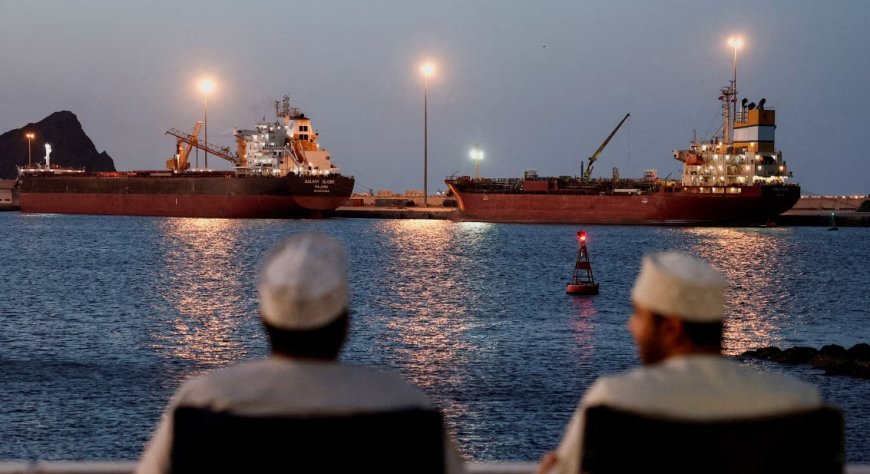
Saudi Arabia’s crude oil exports dropped to a record low of 4.974 million barrels per day in March, based on data since January 2002, the Joint Organizations Data Initiative (JODI) reported on Wednesday. Production also fell to approximately 6.967 million bpd, the lowest on record, down sharply from 10.882 million bpd in February .
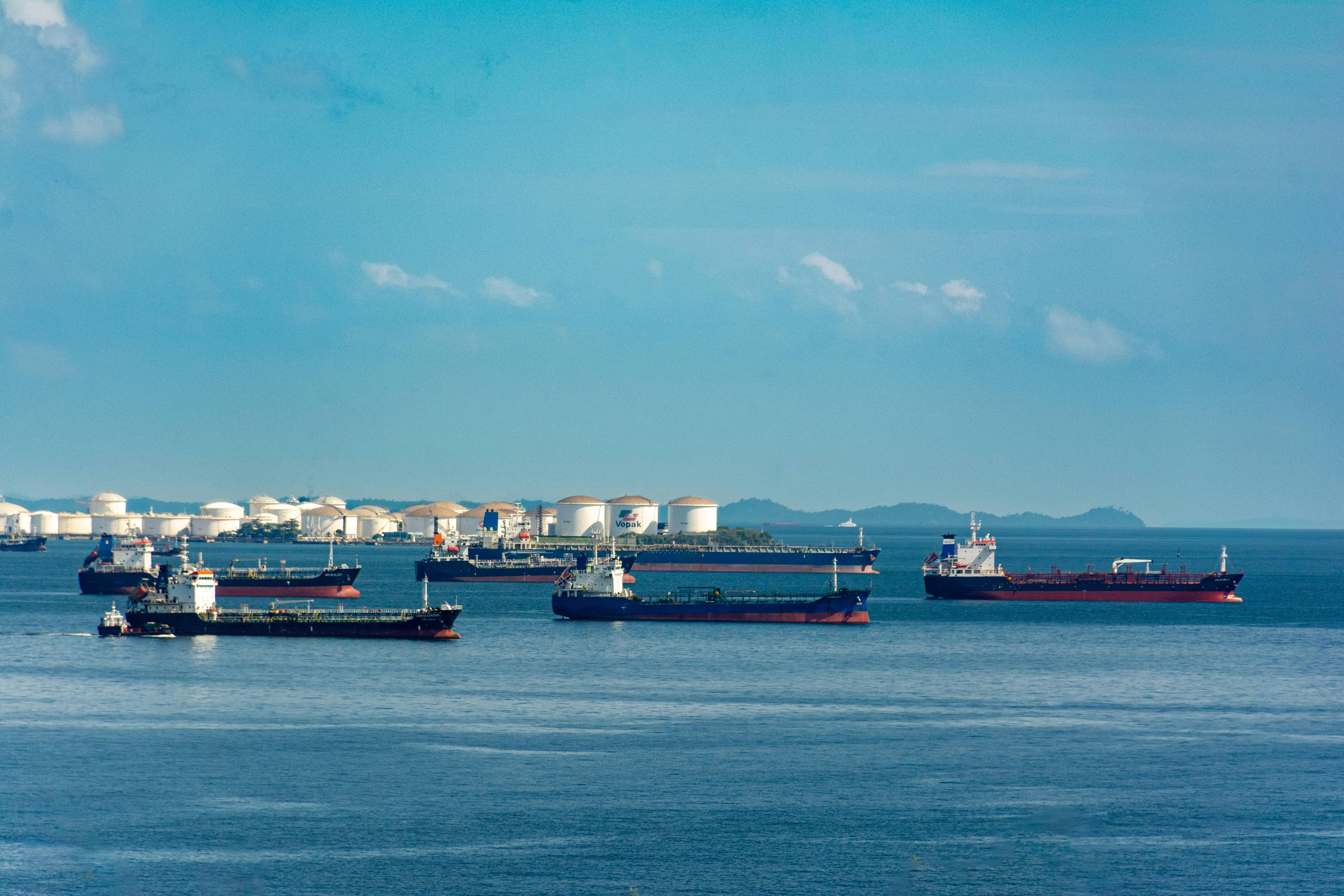
The dramatic collapse in output is directly attributed to the ongoing war involving Iran, which has effectively closed the Strait of Hormuz. This vital choke point, through which approximately 20 million barrels of oil passed daily before the conflict, has been disrupted since Iran’s Islamic Revolutionary Guard Corps announced its closure to most vessels following US-Israeli attacks on February 28.
“At the beginning of the conflict, flows via the Strait of Hormuz were completely disrupted, impacting exports from within the Gulf. The ramp-up of exports from the port of Yanbu in the Red Sea and using inventories stored abroad should have helped the Kingdom to recover exports later in the month,” UBS analyst Giovanni Staunovo told Reuters .
The supply crunch has sent shockwaves through global energy markets, with the International Energy Agency reporting a 246 million barrel drawdown in global oil inventories in March and April. The IEA expects global oil supply to fall short of total demand this year, upending its earlier outlook for a surplus. This comes even as OPEC lowered its forecast for global oil demand growth in 2026, acknowledging that high prices are beginning to destroy demand.
In a bid to bypass the blocked Strait of Hormuz, Iraq’s Kurdish Regional Government announced it had reached an understanding with Baghdad to resume oil exports through the northern pipeline to Türkiye’s Ceyhan port. KRG Prime Minister Masrour Barzani said the region decided to allow oil to flow again “as soon as possible,” citing “the extraordinary circumstances facing the country” .