Strait of Hormuz Blockade Triggers Global Agrifood Shock and Soaring Domestic Inflation
The United Nations warns of a systemic global food crisis as the prolonged maritime closure chokes energy and fertilizer exports.
 Sercan Roni
0
21

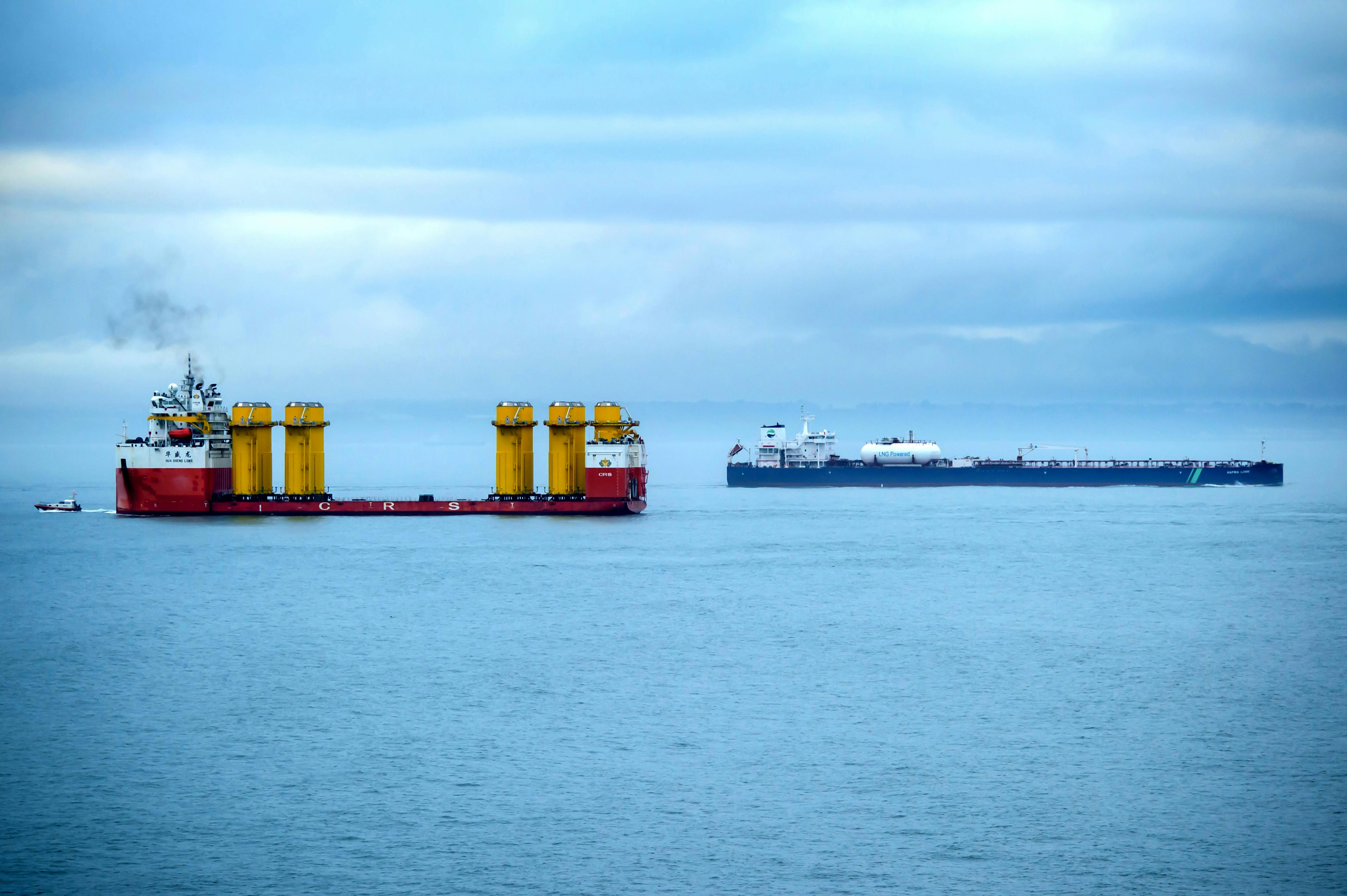
The United Nations Food and Agriculture Organization (FAO) issued a stark global warning on Wednesday, revealing that the prolonged closure of the strategic Strait of Hormuz has initiated a systemic "agrifood shock" that threatens international food security, according to an official statement. Despite the presence of a nominal military ceasefire between regional superpowers, the vital maritime artery remains entirely closed to standard commercial shipping, preventing the transit of approximately one-fifth of the world’s liquefied natural gas and crude oil supply, as noted by maritime monitors. More critically for global agricultural networks, the ongoing blockade has completely choked off the passage of nearly one-third of the planet’s chemical fertilizer exports, sparking immediate supply deficits from Africa to Europe, according to a recent report.
The economic ramifications of this maritime standstill are manifesting rapidly across international markets, as pre-war global fuel stockpiles face near-total depletion. In London, national statistics revealed that while consumer inflation showed minor structural cooling, localized energy costs continue to exert severe upward pressure on industrial output, causing concern for economists. The economic strain has triggered widespread civil unrest internationally; in Kenya, severe public transport disruptions linked directly to missing Gulf energy shipments sparked violent demonstrations, resulting in multiple civilian casualties during clashes with domestic security forces.
Market analysts stress that the economic gridlock is unsustainable without immediate structural interventions from international shipping consortiums or Western naval coalitions. The newly formed Persian Gulf Strait Authority (PGSA), established by Tehran to assert administrative sovereignty over the waterway, has refused to clear commercial freighters without extensive structural concessions from Western sanctioning bodies. This stance has left hundreds of cargo vessels stranded in adjacent waters, driving maritime insurance premiums to historic highs, according to insurance industry data.
"We are witnessing the early stages of a profound global food price crisis driven entirely by the weaponization of maritime chokes," an international agricultural economist commented. As farming syndicates face exorbitant costs for basic nitrate inputs, retail grocery prices are projected to climb exponentially over the coming quarters, warned a market report. The dual pressure of diminished oil liquidity and hyper-inflated fertilizer costs has left central banks with minimal policy levers to avert a broader global recession.