Jinping Urges Comprehensive Middle East Ceasefire During High-Stakes Summit with Putin
Chinese President Xi Jinping tells Vladimir Putin that further regional escalation is inadvisable, calling for immediate multi-lateral negotiations.
 Sercan Roni
0
38
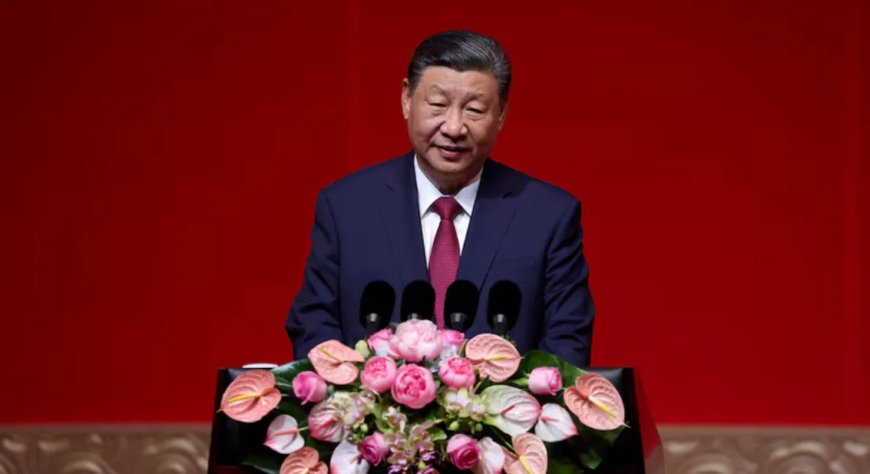
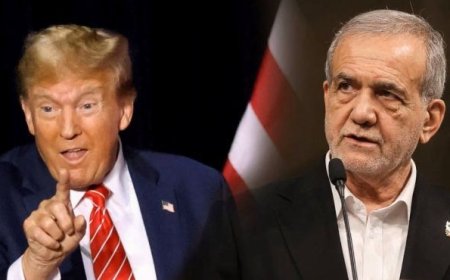
During a highly anticipated bilateral summit in Beijing on Wednesday, Chinese President Xi Jinping issued a direct appeal for an immediate, comprehensive ceasefire across the Middle East, labeling any further expansion of regional hostilities as deeply "inadvisable," according to Chinese state media. Hosting Russian President Vladimir Putin for expansive diplomatic deliberations regarding the fragmentation of the global order, the Chinese leader utilized the international platform to position Beijing as a principal mediator in the ongoing conflict involving the United States, Israel, and Iran, say geopolitical observers.
"A comprehensive ceasefire is of the utmost urgency, resuming hostilities is even more inadvisable and maintaining negotiations is particularly important," President Xi stated during state-televised remarks alongside his Russian counterpart. The comments highlight growing anxiety within Asian capitals regarding the severe macroeconomic fallout of the conflict, particularly given China's substantial reliance on uninterrupted energy flows through the Persian Gulf, according to energy analysts. Beijing has consistently criticized what it characterizes as "unilateral hegemony" dominating Western foreign policy, urging permanent members of the United Nations Security Council to implement a more balanced, multi-polar approach to conflict resolution, as reported in a government statement.
The diplomatic push by Beijing coincides with frantic backend efforts by regional intermediaries to salvage cratering peace talks, say diplomatic sources. Pakistan's Interior Minister Mohsin Naqvi arrived in Tehran on Wednesday for his second emergency visit in less than a week, attempting to lay the groundwork for a secondary round of direct negotiations between Iranian officials and Western emissaries. Previous diplomatic tracks hosted in Islamabad have struggled to bridge the immense trust deficit, with Washington demanding total nuclear dismantling and Tehran demanding an immediate end to all maritime blockades, report negotiators.
International diplomatic correspondents note that while the joint rhetoric from Xi and Putin underscores a shared desire to curb American influence in the Levant, tangible enforcement mechanisms remain elusive. The Kremlin has signaled nominal alignment with China's stabilization roadmap but remains structurally preoccupied with its own immediate geopolitical priorities, according to security analysts. As long as the primary combatants view military leverage as their most effective negotiating asset, the diplomatic overtures emerging from Beijing face an uphill battle toward real-world implementation, observed a political analyst.