CENTCOM Claims Iranian Military Capabilities Dramatically Degraded Following Months of Targeted Operations
 Sercan Roni
0
21
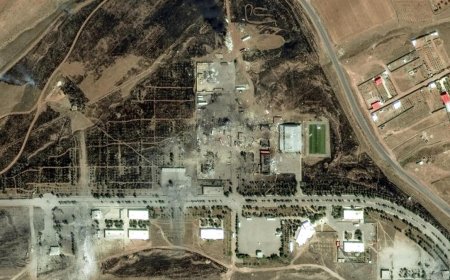
United States Central Command Commander Admiral Brad Cooper delivered a comprehensive operational assessment to a Senate committee today, asserting that Iran’s capacity to threaten regional partners and international shipping has been significantly diminished across all military domains. The testimony highlighted the strategic impact of ongoing multinational military efforts, which the Department of Defense has officially designated as Operation Epic Fury.
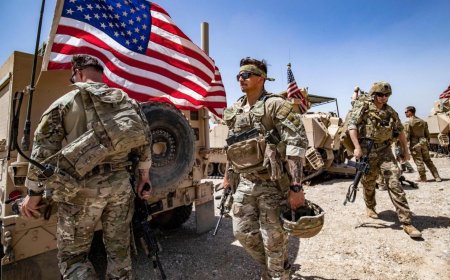
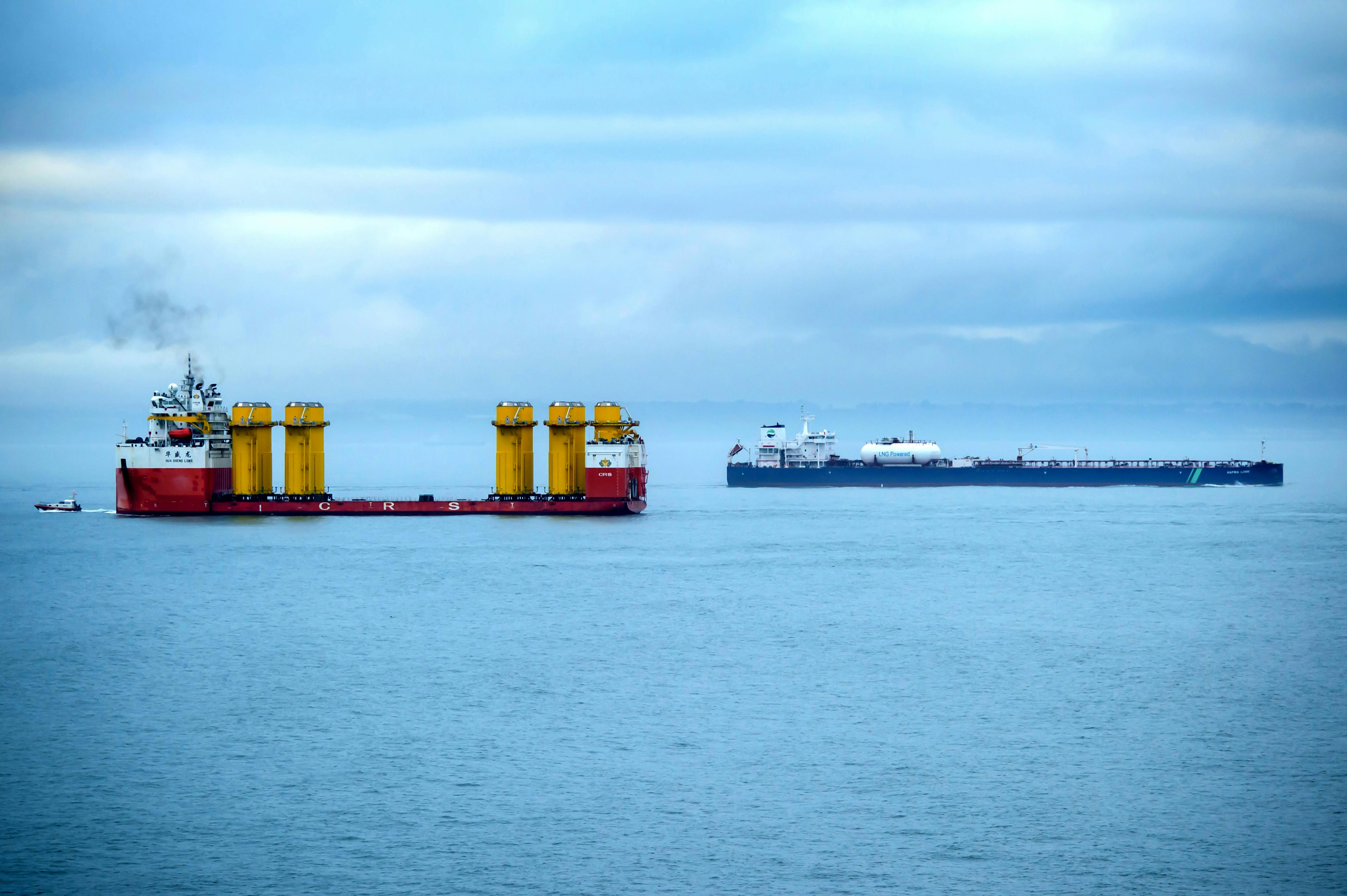
According to Admiral Cooper, the coordinated enforcement of maritime blockades and targeted counter-strike operations have effectively severed the continuous logistical pipelines that previously supplied weapons, intelligence, and financial capital to non-state actors across the region, including Hamas, Hezbollah, and Houthi forces. Cooper emphasized that this degradation was the direct result of months of precise intelligence gathering and proactive positioning of allied naval assets, though he acknowledged that the success arrived at a steep cost, honoring several American servicemen killed since the conflict escalated in February.
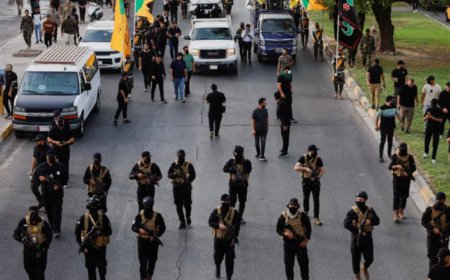
Simultaneously, active combat operations persisted along the Israeli-Lebanese border. The Israel Defense Forces confirmed the successful kinetic interception of an unmanned aerial vehicle operating over southern Lebanon today, close to positions where active ground maneuvers are underway. In response, Hezbollah forces issued a public communiqué claiming responsibility for a series of retaliatory strikes utilizing anti-tank guided missiles and explosive drones against Israeli military infrastructure near Rosh Hanikra and Tayr Harfa.
Despite the optimistic metrics presented by central command staff on Capitol Hill, senior naval officials cautioned lawmakers that maintaining this elevated operational posture is placing an extreme strain on current defense allocations. Chief of Naval Operations Admiral Daryl Caudle warned the House Armed Services Committee that without immediate supplemental funding from Congress, the Navy will face severe budget deficits by July, potentially forcing a reduction in routine global training exercises to sustain the intense operational requirements of the current deployment.