The Nuclear Threshold: Has the 2026 Iran War Made a Nuclear-Armed Tehran More Likely?
Analysts warn that the destruction of Iran’s conventional military may paradoxically accelerate its push toward nuclear weapons, with one Israeli expert calling this the war that could push Iran “beyond the threshold.”
 Sercan Roni
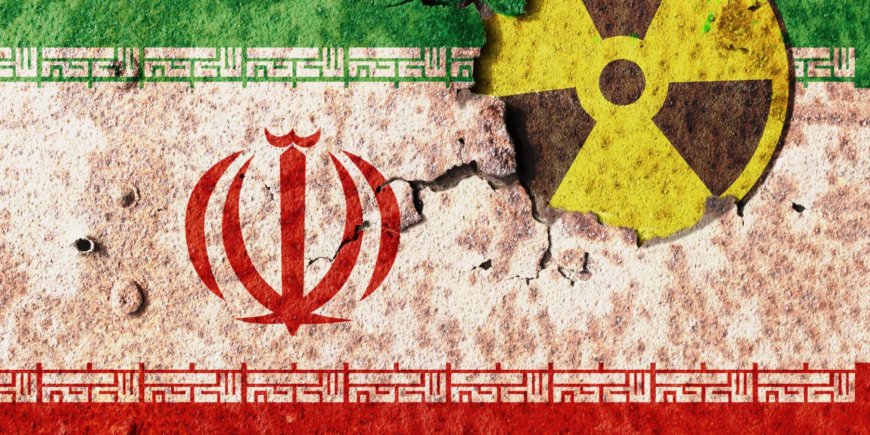
Three weeks into the most sustained military campaign against Iran in modern history, a question is growing louder among strategic analysts and nuclear nonproliferation experts: has the 2026 war made a nuclear-armed Iran more likely, not less?
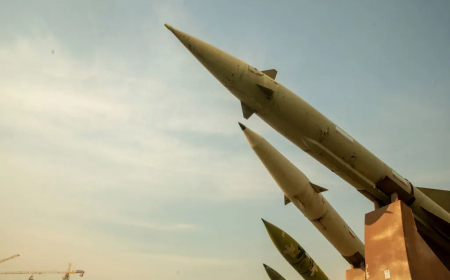
The war was predicated, in part, on a logic of prevention. The United States and Israel justified the joint operation launched on February 28 as necessary to permanently neutralize Iran’s military capacity and, by extension, its ability to pursue nuclear weapons. US B-2 stealth bombers struck Iran’s ballistic missile production facilities in the opening days of the campaign, and the nuclear research sites have been subjected to sustained targeting throughout. Trump administration officials have stated publicly that the dismantlement of Iran’s nuclear program is a non-negotiable condition for any diplomatic settlement.
But the opposite conclusion — that Iran will now seek nuclear weapons with greater urgency than before — is gaining credibility among serious observers. Danny Citrinowicz, an Israeli security analyst and former intelligence official, told CNN’s Fareed Zakaria that the 2026 war may be precisely the event that “pushes Iran beyond the threshold towards a nuclear bomb.” The reasoning is straightforward: Iran has now seen its conventional military decimated, its supreme leader killed, and its state institutions systematically destroyed. The lesson a surviving Iranian leadership may draw is that no conventional deterrent can protect the regime — only nuclear weapons can.
This is not a hypothetical concern. Iran entered the conflict with a significant stockpile of enriched uranium, accumulated over years of incremental advances following the collapse of the 2015 Joint Comprehensive Plan of Action. Its nuclear scientists, dispersed across multiple facilities and in some cases sheltered in underground sites, have not been entirely eliminated. If the Iranian state survives the war in any form — and the prevailing assessment among most analysts is that it will — the institutional knowledge and technical infrastructure for a weapons program remain partially intact.[wikipedia +1]
The paradox is compounded by the strategic calculus Tehran will be forced to confront in the war’s aftermath. ICG Chief Economist Nick Brooks, in an analysis published last week, noted that Iran faces a fundamental tension between its desire to inflict maximum pain on the US and its allies — incentivizing continued disruption of the Strait of Hormuz — and its existential need for oil revenue to sustain government finances. This same tension will define its nuclear calculus. Iran’s leadership will weigh the deterrence value of a nuclear weapon against the certainty of even greater military action if it visibly accelerates toward one.
The missile strikes near Israel’s nuclear research facilities at Dimona — which resulted in significant casualties according to the Newland Chase situational update from March 23 — add yet another dimension to the nuclear risk environment. The targeting of nuclear-adjacent infrastructure on both sides risks miscalculation on a scale that could rapidly exceed the current conflict’s boundaries.
What the 2026 war has undeniably done is remove the ambiguity that once allowed both sides to manage the nuclear question at arm’s length. The United States has now destroyed Iranian government institutions, killed its supreme leader, and demanded the surrender of its uranium stockpile. Iran, for its part, has demonstrated both the will and partial capability to strike across the region. In this new strategic environment, the question is no longer whether Iran will seek the ultimate deterrent — but how quickly, and whether the international community can construct a credible alternative before it does.