UN Security Council Convenes Emergency Session as Iranian Blockade of Hormuz Enters Third Day
Global energy markets face unprecedented turmoil as the UN Security Council meets to address the ongoing Iranian naval blockade in the Strait of Hormuz.
 Sercan Roni
0
21

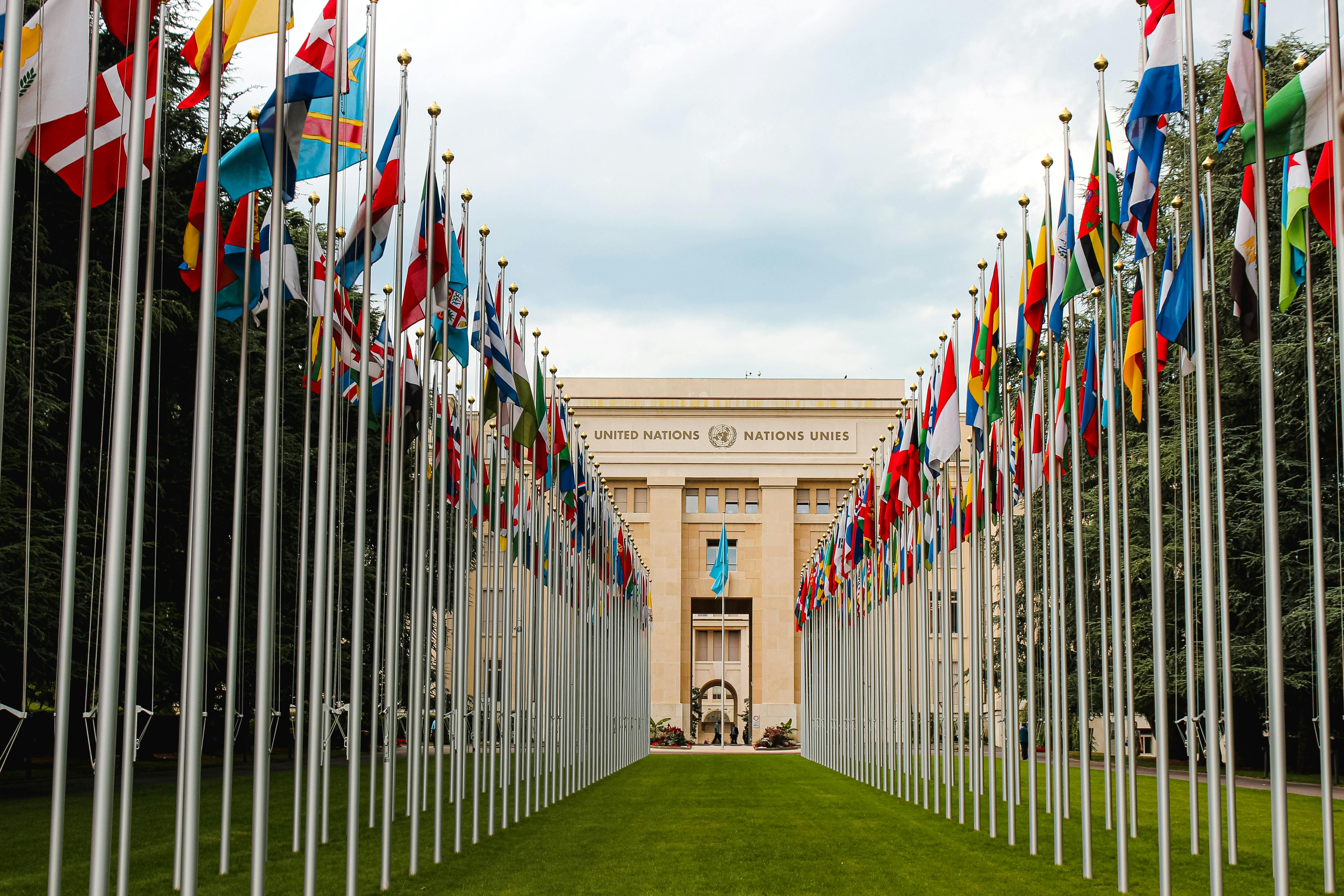
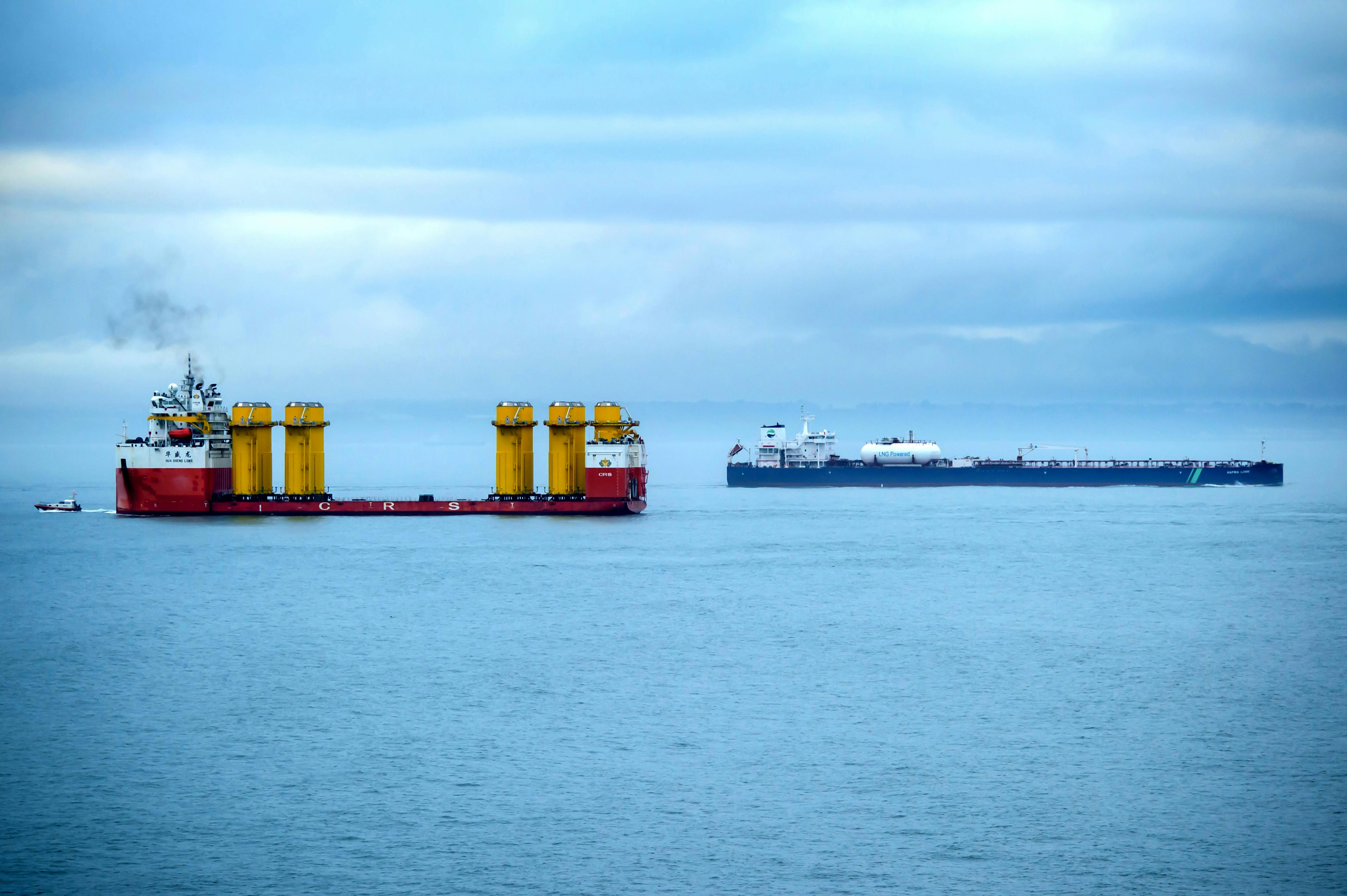
The United Nations Security Council has convened an emergency closed-door session in New York this morning following the escalation of the maritime blockade in the Strait of Hormuz. For the third consecutive day, Iranian Revolutionary Guard Corps (IRGC) naval assets have restricted the passage of commercial tankers, effectively halting twenty percent of the world’s daily oil supply. The move follows a series of reciprocal missile strikes between Iran and regional adversaries earlier this week. United Nations Secretary-General António Guterres opened the session with a stark warning, stating that the "suffocation of global transit routes threatens not only regional stability but the very foundations of the global economic order."
Diplomatic sources indicate that the United States and its European allies are drafting a resolution demanding the immediate "unconditional reopening" of the waterway, while hinting at the possibility of a multilateral naval task force to escort commercial vessels. However, Russia and China have signaled they may exercise their veto power, arguing that the blockade is a direct consequence of "unilateral provocations" against Tehran. Meanwhile, the situation on the water remains volatile. Reports from the United Kingdom Maritime Trade Operations (UKMTO) suggest that at least four additional VLCC (Very Large Crude Carrier) tankers were diverted from their original headings after being challenged by Iranian patrol boats.
The IRGC issued a statement via state media, claiming the restrictions are part of a "sovereignty exercise" intended to inspect vessels for "contraband military hardware" allegedly destined for hostile actors. Analysts suggest this is a thin veil for a strategic leverage play. "Tehran is demonstrating that it holds the kill-switch for the global economy," said Dr. Elena Rossi, a maritime security expert at the International Institute for Strategic Studies. As the Council debates, the international community remains on edge, fearing that any miscalculation by naval commanders in the narrow corridor could trigger a full-scale regional conflagration.