Gulf Economies Accelerate Diversification Amid Oil Market Uncertainty
Gulf states are pushing economic diversification as oil market volatility continues. Investments in technology and tourism are expanding rapidly.
 Sercan Roni
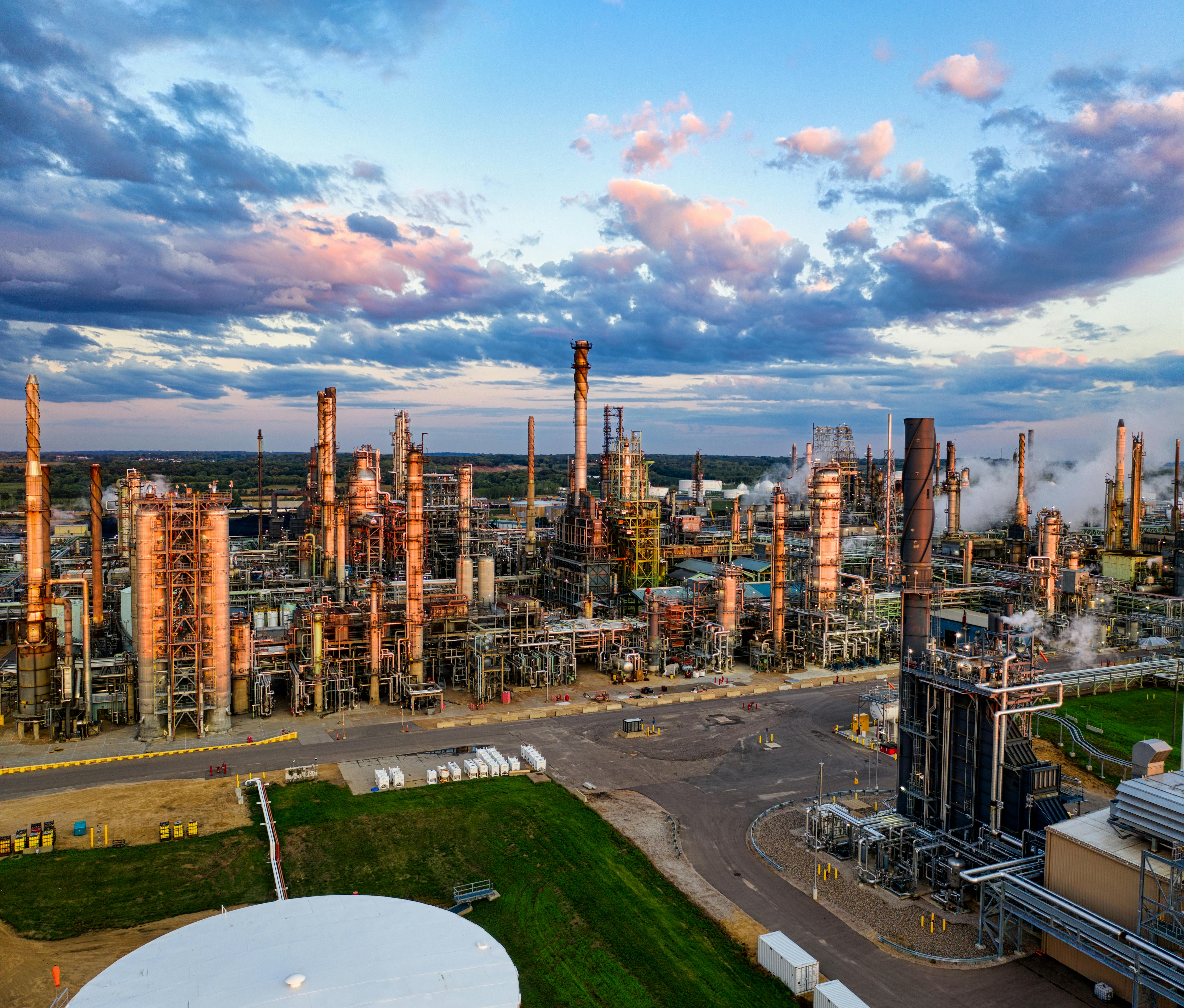
Gulf economies are accelerating efforts to diversify away from oil dependency as global energy markets remain unpredictable. Saudi Arabia, the United Arab Emirates, and other regional players are expanding investments in sectors such as technology, tourism, and renewable energy.
Saudi Arabia’s Vision 2030 continues to drive large-scale projects aimed at transforming the kingdom’s economic landscape. Officials have emphasized the importance of developing non-oil revenue streams to ensure long-term sustainability. “Diversification is no longer optional; it is essential,” a Saudi economic advisor said.
The UAE has also strengthened its position as a regional hub for finance and innovation, attracting foreign investment and fostering a business-friendly environment. Recent policy reforms have focused on easing regulations and encouraging entrepreneurship.
Oil revenues still play a significant role, but fluctuating prices have underscored the need for broader economic resilience. Analysts point out that while high oil prices provide short-term fiscal support, they can also delay structural reforms if not managed carefully.
Tourism has emerged as a key growth sector, with major events and infrastructure projects drawing international visitors. Meanwhile, renewable energy initiatives are gaining momentum, aligning with global trends toward sustainability.
Despite progress, challenges remain, including labor market adjustments and the need for continued regulatory reforms. “The transition is complex and requires consistent policy implementation,” said a regional economist.
As Gulf countries navigate shifting global dynamics, their ability to sustain diversification efforts will be critical in shaping the region’s economic future.