UN General Assembly Opens Emergency Session as Middle East Conflict Risks Global Hunger Crisis
UN convenes emergency session amid widening Middle East conflict as WFP warns 45 million more people face acute food insecurity if war continues.
 Sercan Roni
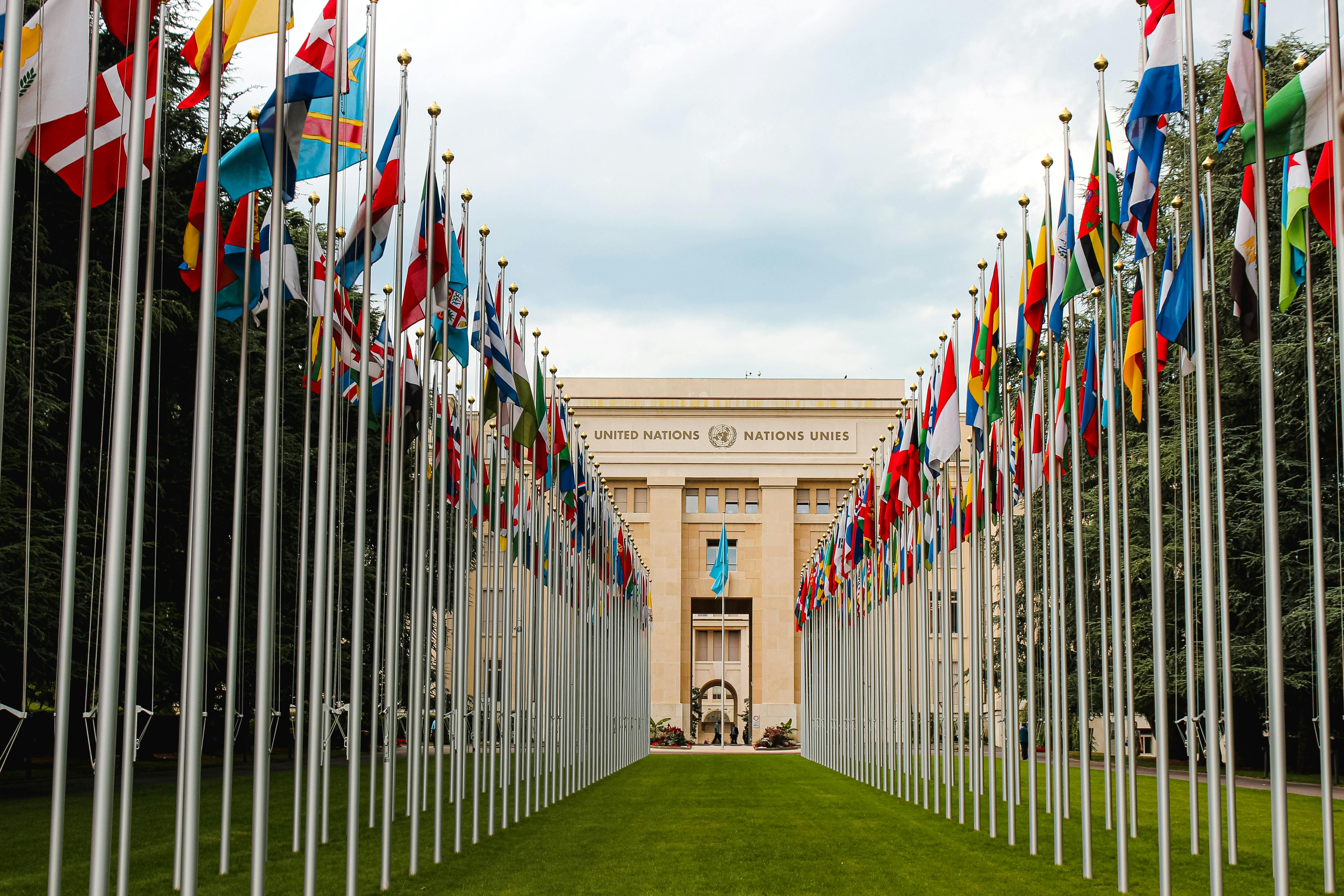
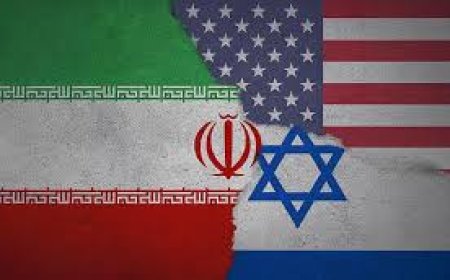
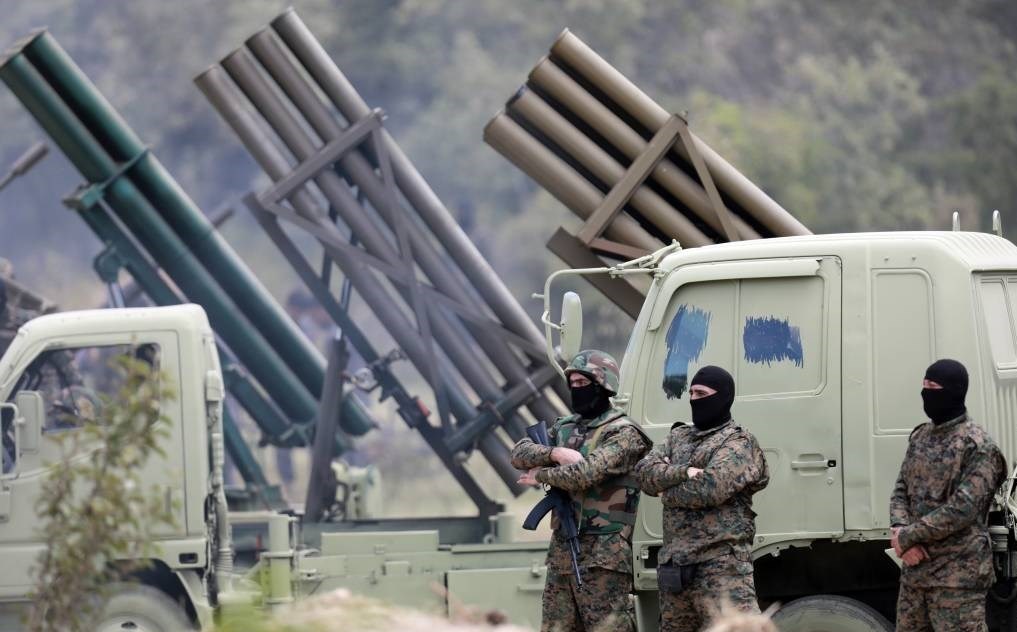
The United Nations General Assembly convened an emergency session Wednesday in New York as the 18-day-old Middle East conflict threatens to plunge tens of millions into food insecurity and destabilize the global economy. The emergency meeting comes as diplomatic efforts intensify to find an off-ramp from the widening war between Iran and the US-Israeli coalition .
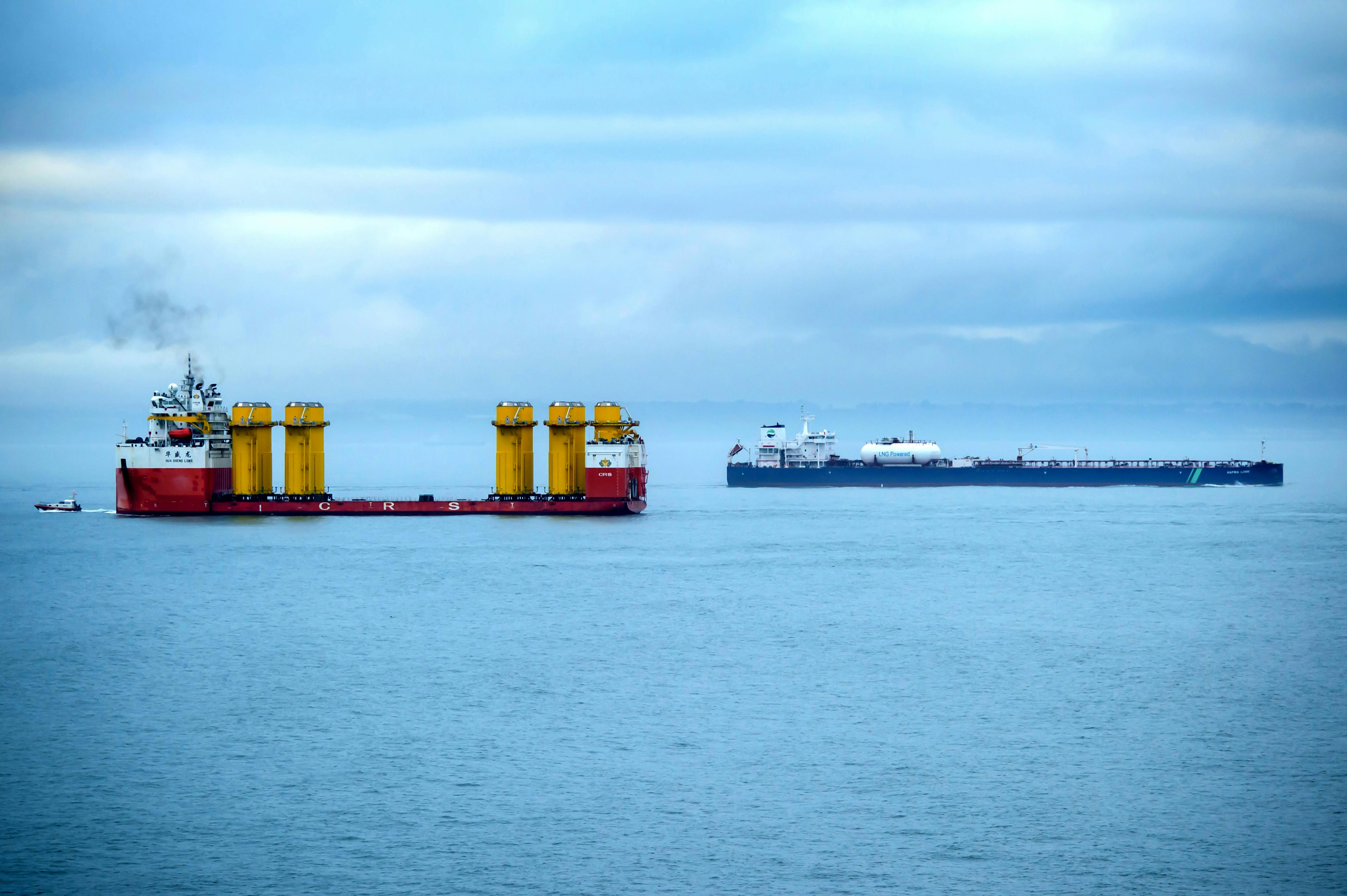
A new analysis by the World Food Programme warns that nearly 45 million additional people could fall into acute food insecurity by mid-year if the conflict continues and oil prices remain above $100 per barrel, according to Farhan Haq, deputy spokesperson for the UN secretary-general . The warning underscores the escalating humanitarian stakes of a conflict that has already disrupted global supply chains and effectively closed the Strait of Hormuz, a critical artery for energy and food shipments.
"The throttling of the Strait of Hormuz not only strangles the passage of oil tankers but also chokes the movement of vessels carrying fertilizer, which is much-needed in food production," Haq said . UN humanitarians report that governments in the Gulf region have recorded at least 15 civilian deaths and many more injuries in incidents linked to the hostilities.
In Lebanon, more than 1 million people displaced by the conflict have registered with authorities, including nearly 300,000 children, according to the UN Office for the Coordination of Humanitarian Affairs. OCHA expressed deep concern over attacks on healthcare facilities, reporting that at least three paramedics were killed in Israeli attacks across southern Lebanon on Monday. In Iran, authorities report 17 health workers killed and more than 100 injured, while over 240 health facilities have sustained damage .
The emergency session provides a platform for diplomatic initiatives aimed at halting the fighting. India is expected to play a prominent role, with proposals including the creation of a neutral "Blue Zone" humanitarian corridor through the Strait of Hormuz escorted by the Indian Navy and non-aligned nations. The proposal would allow food, medicine, and energy shipments to non-combatant countries while asking Iran to halt mining operations in the corridor and the US-Israeli coalition to pause strikes on Iranian civilian energy infrastructure .
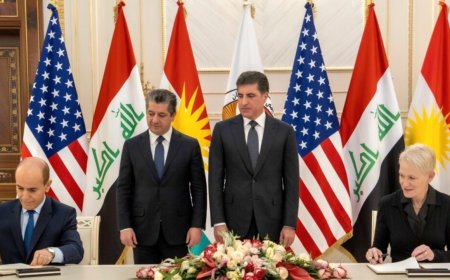
Iraqi Prime Minister Mohammed Shia al-Sudani has also been building support for a diplomatic coalition to end the war. In a phone call with European Commission President Ursula von der Leyen on Tuesday, al-Sudani warned of potential displacement, instability, and rising violence, while reaffirming Iraq's commitment to protecting diplomatic missions on its territory .
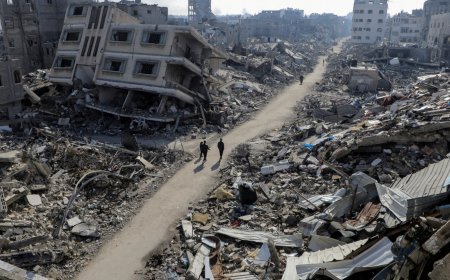
The humanitarian situation in Gaza remains dire, with the Kerem Shalom crossing the only operational entry point for humanitarian and commercial cargo. OCHA warned that restrictions imposed since the conflict began have resulted in only a trickle of aid reaching civilians