Global Stagflation Fears Mount as Strait of Hormuz Closure Enters Third Week
Fidelity International warns of stagflationary shock as Hormuz closure moves from headline fear to physical constraint, with oil expected to carry durable premium post-conflict.
 Sercan Roni
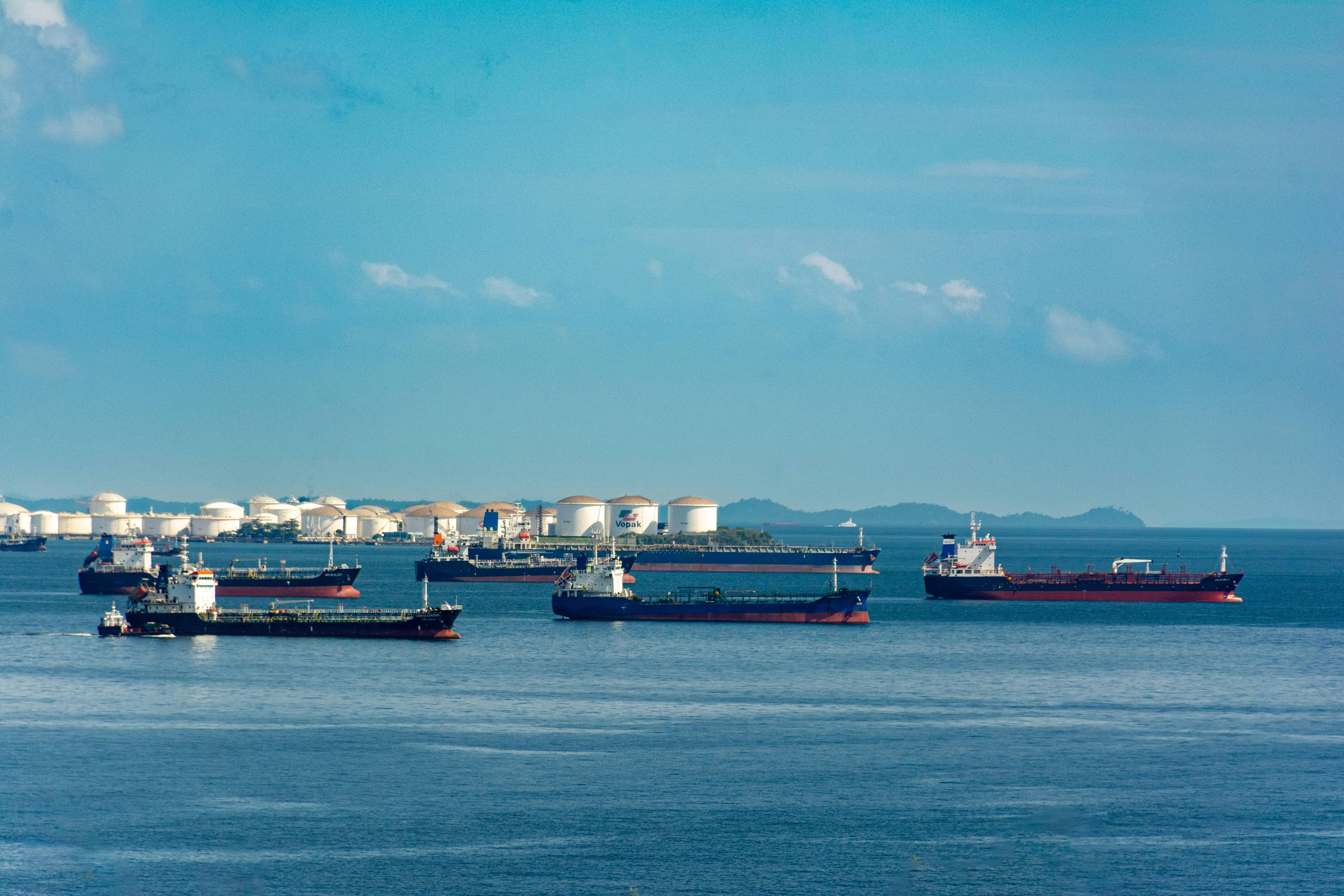
The effective closure of the Strait of Hormuz since the beginning of March has introduced a stagflationary risk to the global economy, moving beyond market fears to actual physical supply constraints, according to a Fidelity International report released Tuesday . With the strategic waterway through which 20% of the world's oil flows daily remaining blocked, economists warn of prolonged economic disruption even after hostilities cease.
"The Strait of Hormuz being effectively closed since the start of March means that the mechanism has shifted from headline fear to physical constraint," the Fidelity report stated, highlighting the seriousness of the disruption . A prolonged closure is expected to create a supply-side shock, leading to higher inflation and weaker economic growth globally, resulting in "higher headline inflation via higher energy/commodity prices and negative growth via real income compression, tighter financial conditions, and margin pressure" .
The economic impact is not being evenly distributed across regions. Europe and Asia are projected to take a heavier hit due to their dependence on energy imports, while the United States remains relatively insulated . This regional disparity reflects broader trends of strategic fragmentation in the global economy.
Even after the conflict subsides, the economic effects may persist. "The 'day after' is not a clean revert, oil is likely to carry a durable premium in the near future," the report cautioned, indicating sustained pressure on global energy prices . The International Energy Agency has released 400 million barrels from strategic reserves, estimated to cover roughly 20 days of global demand — a fire extinguisher pointed at a forest fire, according to analysts .
On Wall Street, major indexes rose Tuesday as investors awaited the Federal Reserve's interest rate decision amid the volatile energy landscape. The central bank began its two-day monetary policy meeting with traders expecting borrowing costs to remain unchanged. Rising oil and natural gas costs stemming from the conflict, along with tariff-induced price increases, are expected to be the main focus as policymakers weigh inflation concerns against signs of a weakening jobs market .
Fed Chair Jerome Powell's outlook on interest rates will be scrutinized Wednesday, with rate futures suggesting just one 25-basis-point cut toward year-end, down from around two before the war began . "There are too many moving parts in a regular economy and then on top of it, we have this tremendously impactful conflict, which will make it even more impossible for the Fed to discern any patterns right now," said Peter Andersen, founder of Andersen Capital Management .
Asia faces particular vulnerability to the supply shock, though the region maintains some buffers. "Asia is more vulnerable to the supply shock, but the region is prepared in terms of policy room and reserve buffers," the Fidelity report noted, while emphasizing that the duration of the war will have significant implications for growth .
Honeywell International warned that the conflict could impact its first-quarter revenue, following similar warnings from oilfield services company SLB about an earnings squeeze. However, energy companies including Occidental, ConocoPhillips, and EQT gained ground Tuesday, tracking higher crude and gas prices.