The New Geography of Conflict: Why Today’s Gulf Crisis Differs from the 1980s Tanker Wars
The current Gulf crisis reflects a broader, more complex conflict landscape than the 1980s tanker wars. New technologies and actors are reshaping risks.
 Sercan Roni
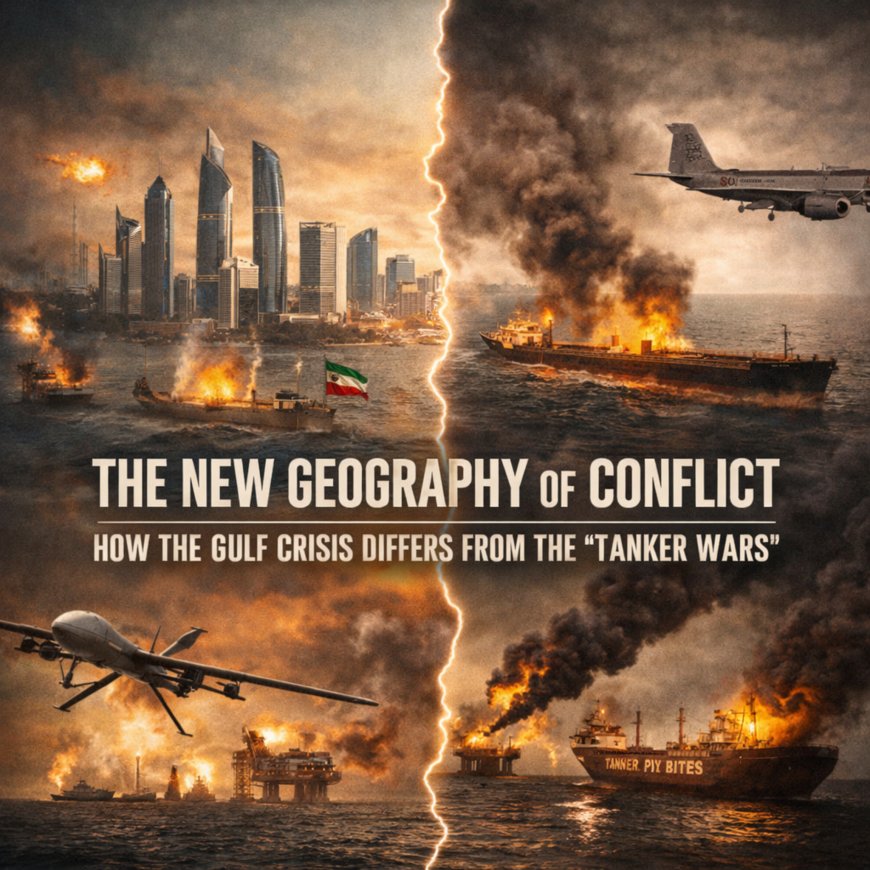
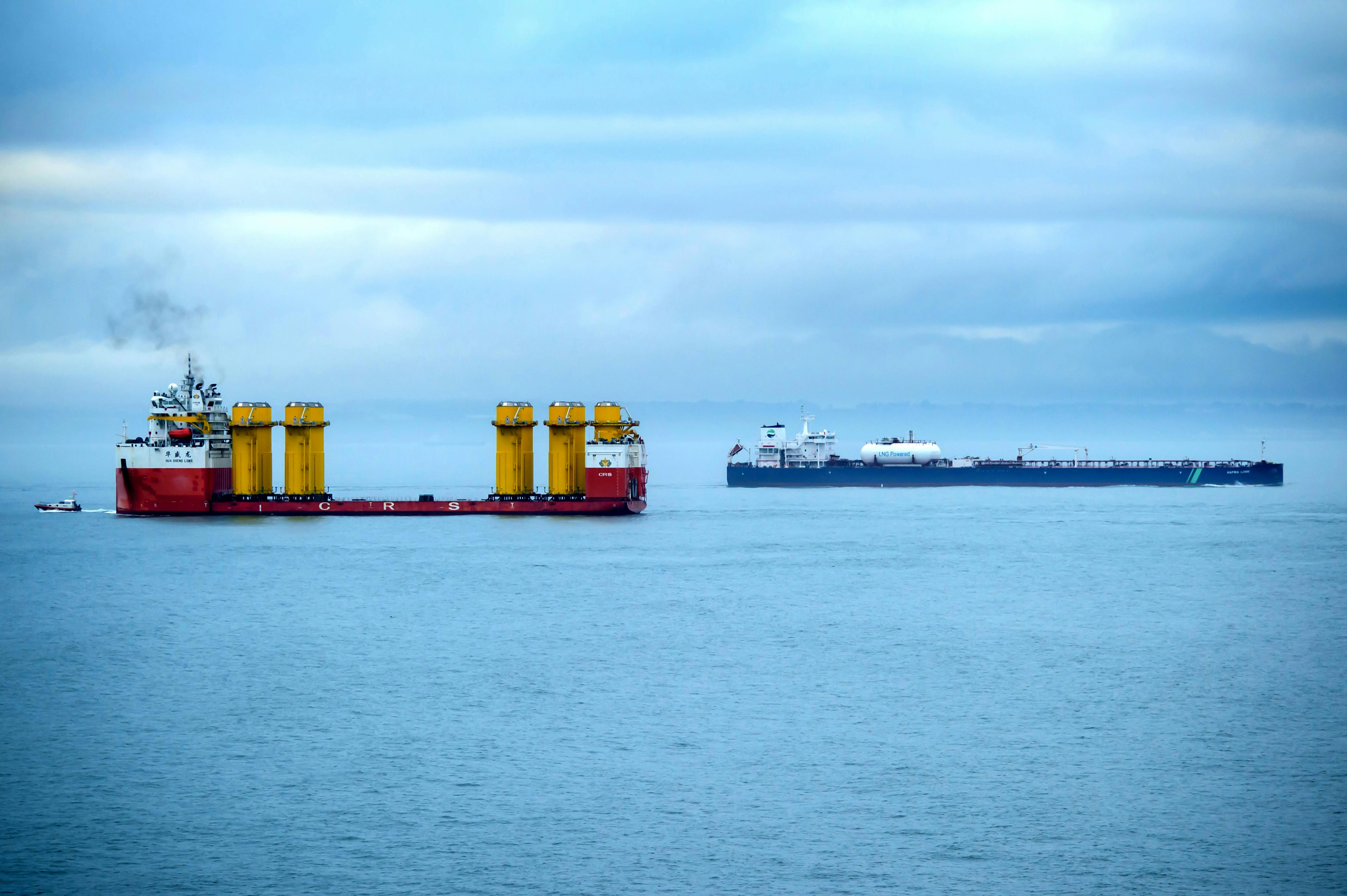
The ongoing Gulf crisis is drawing frequent comparisons to the “Tanker Wars” of the 1980s, but analysts say today’s conflict environment is far more complex and geographically diffuse. While the earlier confrontation was largely confined to attacks on oil tankers in the Persian Gulf, current tensions span multiple domains—including cyber warfare, drone strikes, and proxy conflicts across the region.
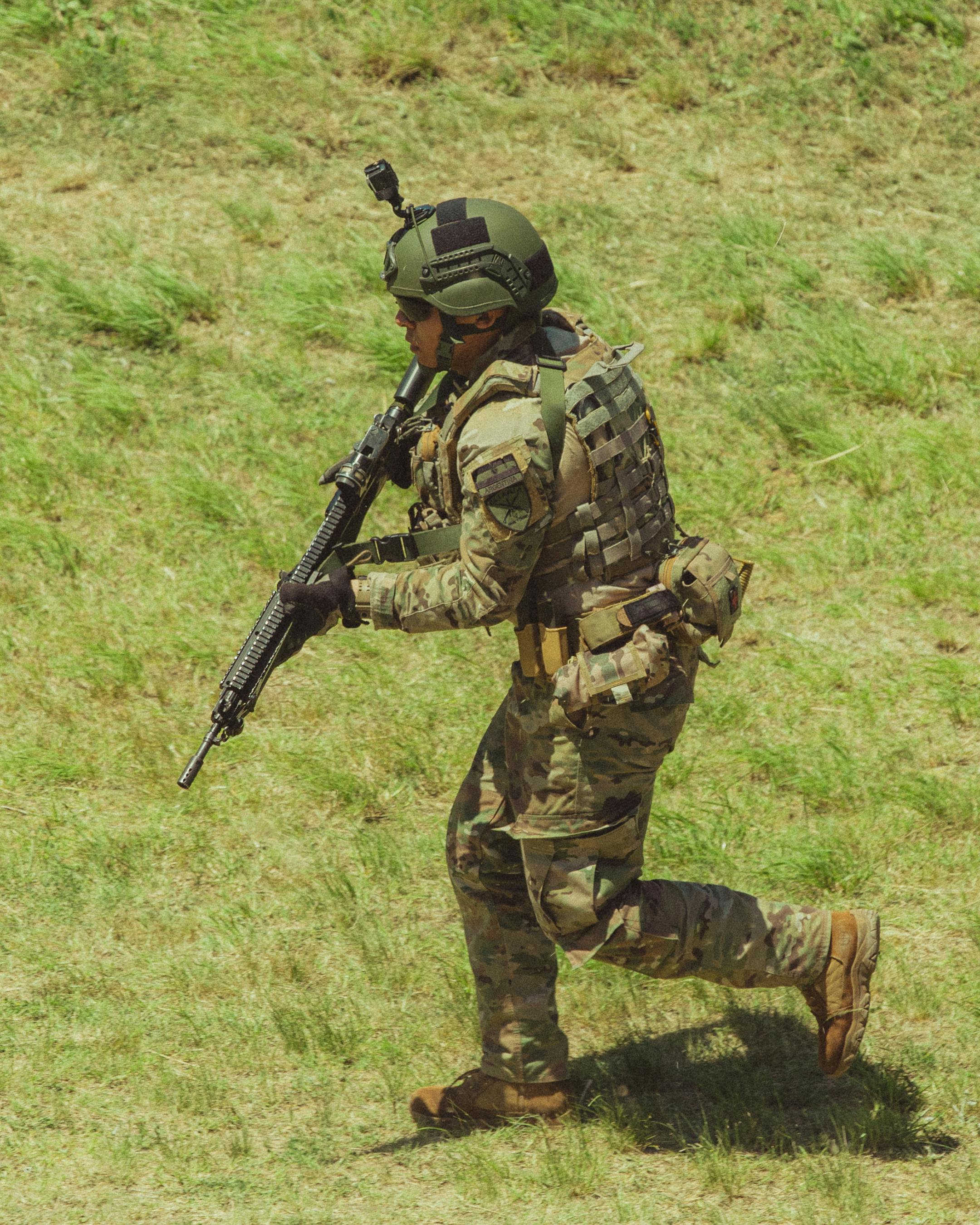
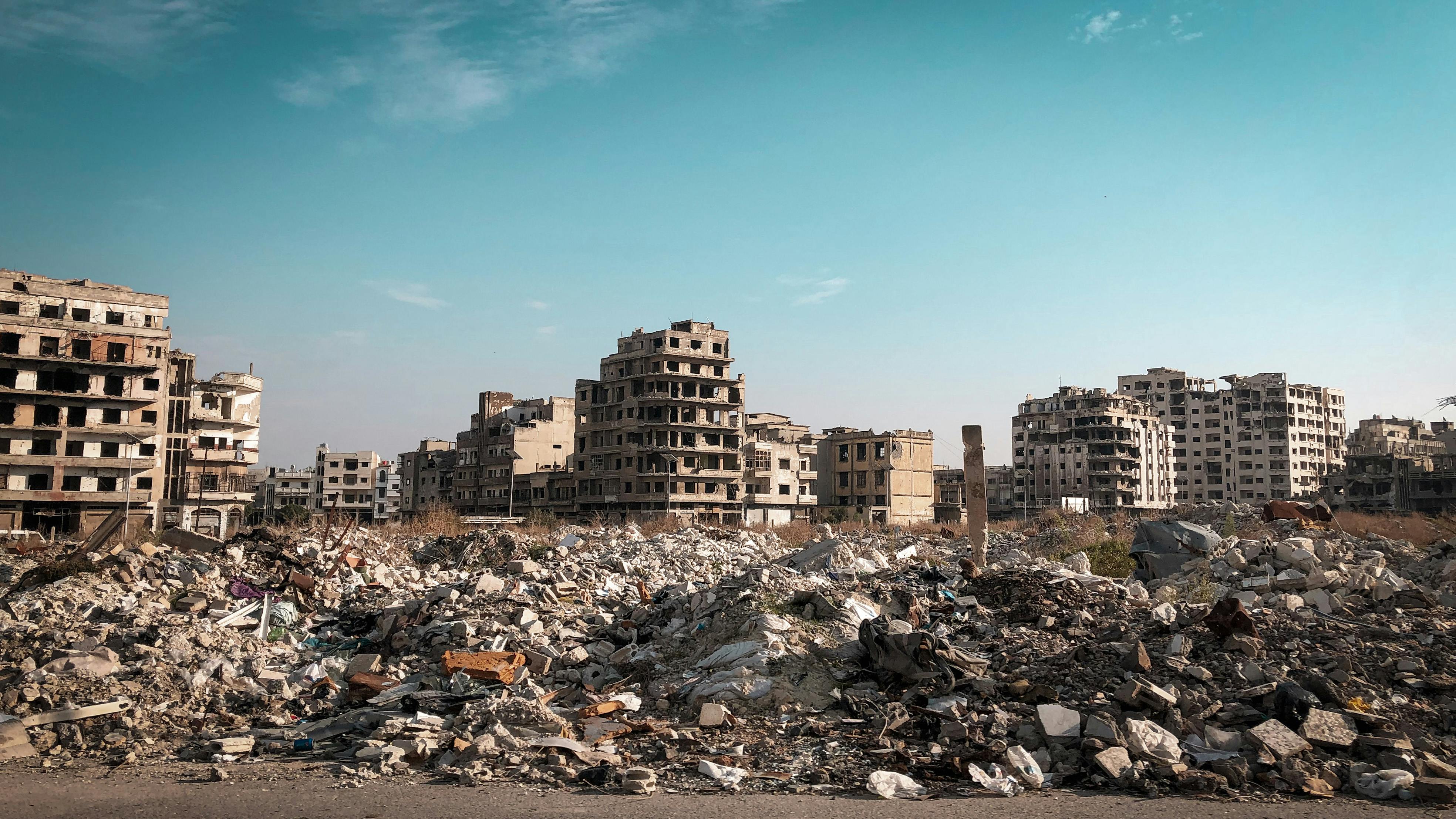
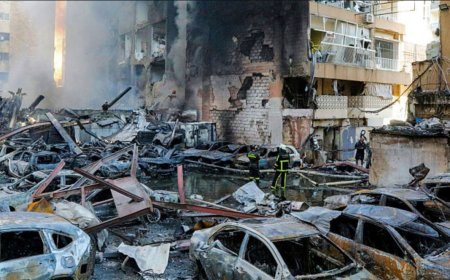
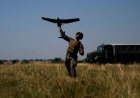
One of the key differences lies in the role of technology. Unmanned aerial vehicles, precision missiles, and digital infrastructure have expanded the battlefield well beyond traditional البحرية routes. Critical energy facilities, ports, and even data networks are now potential targets, increasing both the scale and unpredictability of any confrontation.
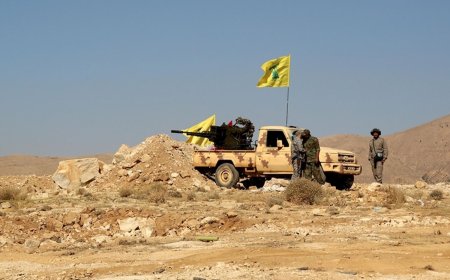
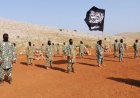
Another major shift is the involvement of non-state actors, which complicates attribution and response strategies. Unlike the 1980s, when state actors were more clearly identifiable, today’s conflicts often unfold through indirect engagements, making escalation harder to control.
Security experts argue that these changes require a rethinking of deterrence and defense strategies. Traditional naval escorts and convoy systems—hallmarks of the tanker wars—may no longer be sufficient to address decentralized and hybrid threats.
As tensions continue to simmer, the evolving “geography of conflict” underscores the need for new diplomatic and security frameworks. Without them, the risk of miscalculation and unintended escalation in the Gulf remains significantly higher than in past decades.