Gulf Arab States Rethink Security Ties with US Amidst Iran Conflict
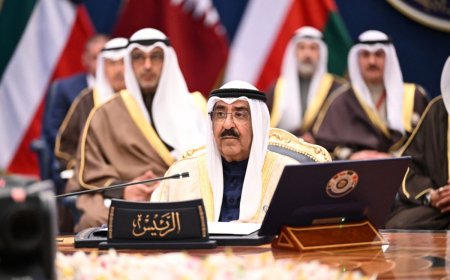
As the US-Israeli military operation against Iran continues, Gulf nations are showing increasing discontent with being drawn into a conflict that threatens their economic stability. Analysts suggest the war is forcing Gulf states to reassess their long-standing security dependence on Washington. The strategic bargain that defined the post-1991 Gulf order—Gulf money for American protection—is being questioned as civilian casualties mount and critical infrastructure comes under attack
 Sercan Roni

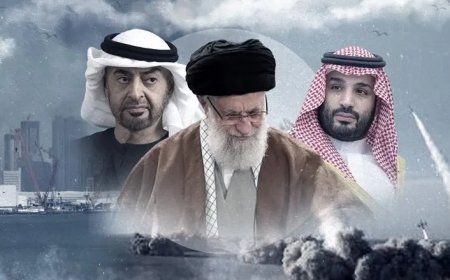
As the US-Israeli military operation against Iran continues into its third week, Gulf Arab nations are increasingly showing discontent with being drawn into a conflict that threatens their economic stability and civilian safety. The strategic bargain that defined the post-1991 Gulf order—Gulf money for American protection—is being questioned as civilian casualties mount and critical infrastructure comes under attack .
Analysts suggest the war is forcing Gulf states to reassess their long-standing security dependence on Washington. Fawaz Gerges of the London School of Economics noted that the assumption of US protection in exchange for energy and capital has been shaken, potentially accelerating Gulf efforts to diversify security partnerships.
Growing Discontent
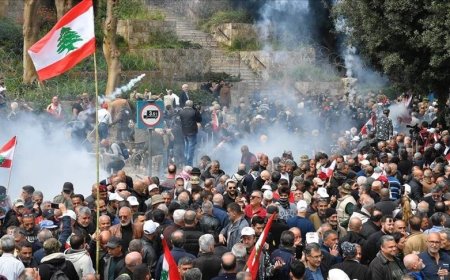
Despite not being direct combatants, Gulf states like the UAE, Bahrain, and Kuwait have absorbed Iranian retaliatory strikes, suffered civilian casualties, and watched critical infrastructure like desalination plants come under fire. The UAE Ministry of Defense recently confirmed casualties among nationals and foreign workers from Iranian-backed attacks .
"The lesson being absorbed from Riyadh to Abu Dhabi is painful but clear: over-reliance on a single external power creates vulnerability, not security," said a Gulf-based political analyst who spoke on condition of anonymity.
Shifting Alliances
The coming months will likely see accelerated outreach to Asian powers, European partners, and possibly even track-two dialogues with Tehran. China's recently announced 15th Five-Year Plan, with its emphasis on technological self-sufficiency and critical minerals, presents an alternative economic partnership model that Gulf states are watching closely .
For Gulf states, the age of outsourcing security may finally be ending—forced by the very conflict they desperately sought to avoid. The war has exposed the limitations of the US security guarantee and raised fundamental questions about the future of the region's geopolitical architecture.